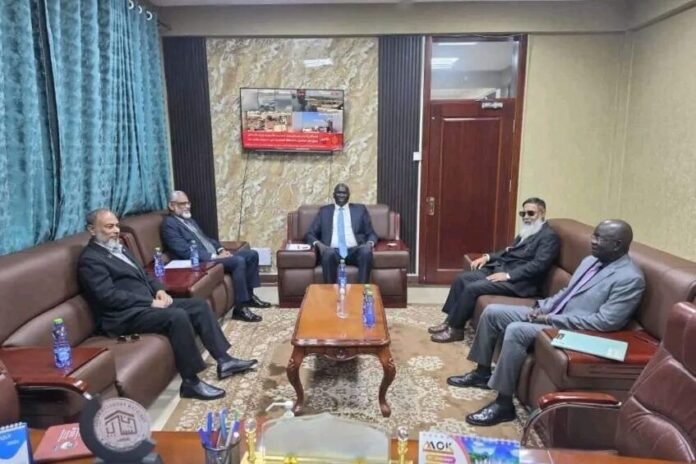
Bangladesh is currently evaluating strategic investments in South Sudan’s power and infrastructure sectors. A Bangladeshi investment delegation, headed by General Shamim Kamal, recently traveled to Juba to conduct high-level discussions with South Sudan’s Minister of Energy and Dams, Agok Makur Kur.
The core objective of these talks was to investigate lucrative investment opportunities within the nation’s burgeoning energy landscape, focusing specifically on renewable energy initiatives, electricity generation facilities, and critical dam infrastructure.
According to updates published by the Ministry of Energy and Dams, the formal meetings centered on attracting foreign investment and expanding mutual cooperation between the two nations.
The Bangladeshi delegation voiced a clear commitment to entering the South Sudanese market, expressing eagerness to fund and collaborate on diverse energy projects. In turn, ministry officials showcased the extensive opportunities currently available across the renewable energy, power generation, and dam development sectors.
This diplomatic dialogue addresses an acute infrastructural challenge, as South Sudan continues to struggle with some of the lowest electricity access rates globally and within the East African Community. Millions of residents across the country depend on inefficient fuel generators, charcoal, and other traditional biomass sources for daily survival. Reliable electricity access remains heavily restricted, disproportionately affecting communities and commercial enterprises located outside major urban centers.
Although the nation boasts rich natural resources and exceptional potential for renewable energy—particularly solar power—its overarching electrical infrastructure remains severely underdeveloped. To counter this, the government has prioritized energy sector reform as a vital catalyst for national economic growth, industrial expansion, and the improvement of public services.
Addressing the visiting delegation, Minister Agok Makur Kur provided strong assurances regarding state backing. He emphasized that the South Sudanese government is deeply dedicated to fostering a welcoming investment climate and ensuring comprehensive institutional support for international partners.
The ministry highlighted that targeted investments in renewable energy, power generation, and dam construction will dramatically increase the national power supply. This transformation is expected to empower local businesses, stabilize regional commerce, and drive long-term development targets.
Ultimately, this collaborative engagement reflects South Sudan’s broader, ongoing strategy to forge robust international partnerships. By drawing on foreign expertise and capital, the country aims to revitalize its energy sector, overcome severe power deficits, and systematically reduce its reliance on limited and outdated energy sources.