The World Health Organisation (WHO) has significantly escalated its regional Ebola preparedness operations across 22 countries and territories in the Eastern Mediterranean Region, citing severe vulnerabilities stemming from ongoing armed conflict, mass population displacement, and fragile public health infrastructure.
With no cases yet detected in the region—which spans critical crossroads across parts of Africa, Asia, and Europe—the United Nations health agency is acting pre-emptively to fortify frontline surveillance, laboratory diagnostic capacities, infection control, and rapid response networks.
Special focus is being directed toward three high-priority nations: Djibouti, Somalia, and Sudan. Health officials warn that existing humanitarian crises and overstretched medical facilities in these areas could drastically hinder early case detection, creating fertile ground for rapid, unchecked transmission should the virus cross borders.
The heightening of emergency protocols comes on the heels of a devastating surge in the Democratic Republic of the Congo (DRC), where the current outbreak has escalated into the largest in the country’s history.
As of October 13, official health data indicates that the DRC has recorded over 9,000 confirmed cases and 4,381 deaths. The virus has swept through multiple provinces, prompting neighboring nations to brace for potential spillover.
The threat of international transmission is no longer theoretical. Neighboring Kenya recently confirmed its third infection—a 65-year-old woman with direct family ties to earlier patients linked to the DRC outbreak. While Kenyan health authorities report no evidence of wider community spread, the case highlights the speed with which the deadly virus can travel along trade and transit corridors.
Addressing the crisis earlier this week, WHO Director-General Dr. Tedros Adhanom Ghebreyesus described the Eastern Mediterranean Region as “the epicentre of global humanitarian need,” emphasizing the compounding pressure on nations already struggling with famine, active combat, and destroyed infrastructure.
Between July and September, WHO technical teams conducted intensive assessment missions in Djibouti, Somalia, and Sudan. These deployments evaluated operational readiness and identified severe gaps in laboratory confirmation speeds, clinical case management, and the availability of personal protective equipment (PPE).
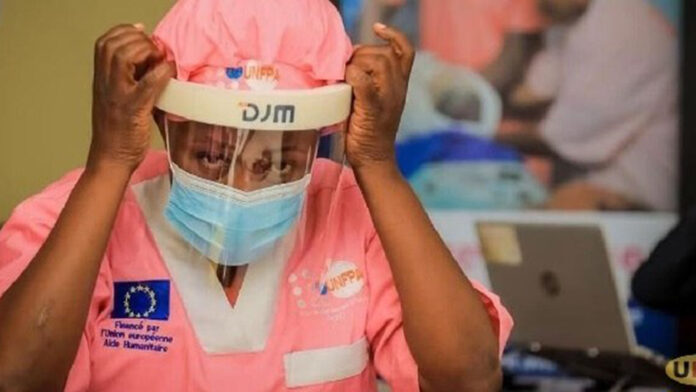
To address these vulnerabilities, the WHO is delivering specialized medical supplies, distributing regional contingency-planning checklists, and facilitating high-intensity simulation exercises. These drills are designed to test how local health workers respond to and isolate suspected infections in real time.
Compounding the crisis is the specific pathogen responsible for the surge: the Bundibugyo virus. Unlike the Zaire strain of Ebola—for which effective vaccines and monoclonal antibody treatments exist—there is currently no approved vaccine or specific medical treatment for the Bundibugyo species.
Because the virus spreads through direct contact with blood, bodily fluids, or contaminated materials, early containment is the only viable defense. The incubation period ranges from 2 to 21 days, and individuals become contagious only after symptoms manifest.
“Conflict, insecurity and restricted access present additional challenges, particularly in countries already facing major humanitarian emergencies,” the WHO stated in a recent press briefing, stressing that effective control relies entirely on early isolation, rigorous contact tracing, safe burials, and robust community engagement.