South Sudan’s national economy stands on the brink of a historic and remarkable transformation, with recent official projections clearly indicating a staggering twenty-two percent expansion throughout the course of 2026. This anticipated economic surge is fundamentally driven by the long-awaited recovery of vital oil exports coupled with tangible improvements in broader macroeconomic conditions across the region.
However, this deeply optimistic economic outlook comes attached to one major and unavoidable caveat: sustained national growth remains entirely dependent on enduring peace, absolute security, and uninterrupted cooperation across volatile geopolitical boundaries.
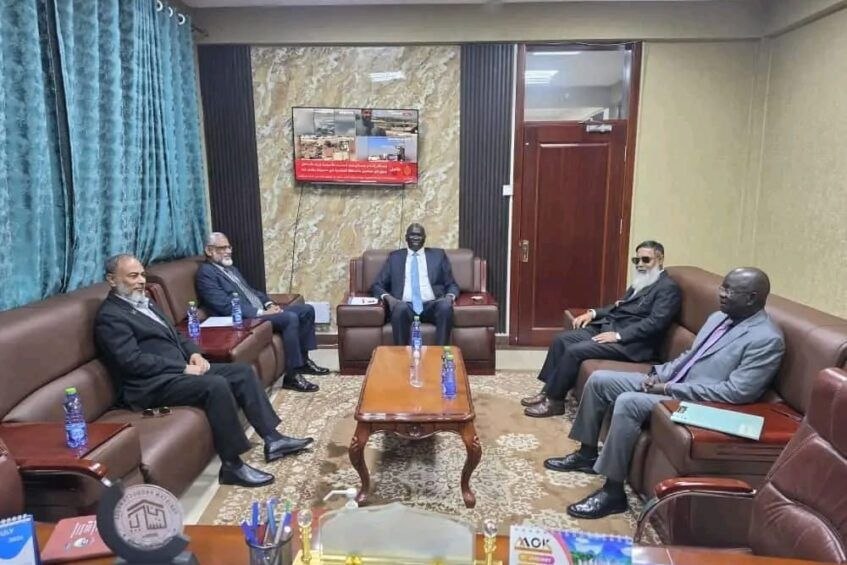
These critical insights were prominently highlighted by the African Development Bank during the official launch of the comprehensive South Sudan Country Focus 2026 report, which was hosted directly within the nation’s vibrant capital city of Juba. Headed by senior national country economists and key institutional officials, the newly released report details both the immense potential for rapid short-term recovery and the profound structural vulnerabilities facing the world’s youngest developing nation today.
During the high-profile launch event in Juba, Hoth Chany, serving as the African Development Bank senior national country economist for South Sudan, carefully outlined the core structural parameters governing the country’s immediate economic trajectory. Chany explicitly emphasized that the projected twenty-two percent gross domestic product growth rate for 2026 is tightly bound to assumptions of ongoing geopolitical stability both at home and abroad.
Specifically, this positive economic outlook relies heavily on three main pillars: the prevention of internal political strife alongside the solid consolidation of peace agreements within South Sudan proper; continued stability and rigorous operational security within neighboring Sudan, which acts as the primary geographic transit route for vital crude oil pipelines; and unwavering freedom of navigation and safety across the broader Red Sea shipping corridors, which remain utterly essential for international transit exports and global market accessibility.
Following this anticipated economic boom in 2026, the African Development Bank forecasts that national growth will naturally normalize and moderate to around 4.8 percent by 2027 as post-recovery adjustments finally settle into a stable state.
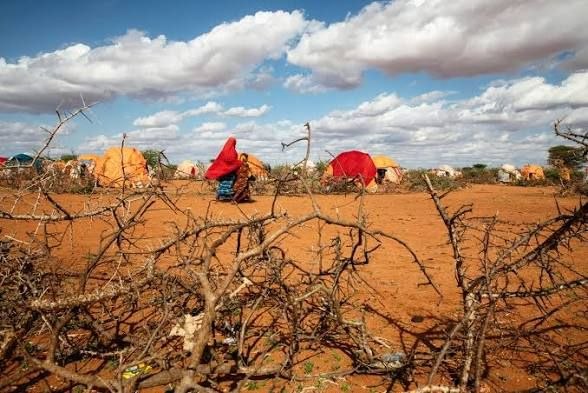
While the 2026 growth forecast undoubtedly provides an inspiring and hopeful narrative for the future, the African Development Bank report concurrently issued stark warnings regarding South Sudan’s extreme and historic over-reliance on the petroleum sector. Maintaining such heavy dependence on a single primary commodity leaves the entire national economy dangerously exposed to severe and unpredictable external shocks. These vulnerabilities include sudden global fluctuations in international crude oil demand and market pricing, unexpected regional conflicts and supply chain blockades that disrupt pipeline flows, and increasingly frequent climate-related shocks such as severe flooding and prolonged droughts that routinely devastate local livelihoods and traditional subsistence agriculture.
Because proper oil revenue management directly dictates the country’s foreign exchange reserves and core fiscal capabilities, any unexpected disruption instantly weakens the domestic currency, heavily strains public sector payrolls, and triggers widespread macroeconomic instability across the nation.
To effectively safeguard the country against future financial crises and external shocks, the African Development Bank has strongly urged the government in Juba to accelerate strategic economic diversification without delay. Shifting the national economy away from its total dependence on crude oil requires deliberate, highly targeted investments into alternative economic growth drivers that can sustain the population over the long haul.
The comprehensive report specifically identifies several key sectors that are entirely ripe for rapid development, including transforming traditional agriculture and livestock farming into a commercial engine to enhance food security and drastically cut down costly food imports. Additionally, tapping into largely unexploited mineral wealth can significantly broaden government revenue streams, while unlocking the nation’s rich cultural and natural assets can foster vital service-sector expansion.
Ultimately, the South Sudan Country Focus 2026 report serves simultaneously as an actionable strategic roadmap and a profound cautionary tale for policymakers and international partners alike. While the projected twenty-two percent economic expansion offers a golden window of opportunity for national recovery and fiscal rebuilding, true long-term prosperity can never rely on oil extraction alone.
By steadfastly prioritizing regional diplomacy to actively protect vital export channels while simultaneously enacting deep domestic reforms—such as vastly improved public financial management, transparent revenue tracking, and targeted economic diversification—South Sudan can finally break free from its historical cycle of vulnerability and lay a rock-solid foundation for a peaceful and sustainable future.