The World Health Organization (WHO) has launched the first clinical trial of an antiviral drug aimed at preventing infection from the Bundibugyo strain of Ebola, as an outbreak in the Democratic Republic of Congo (DRC) continues to spread.
The trial, known as EBO-PEP, is evaluating the effectiveness of the oral antiviral drug obeldesivir in people who have been exposed to confirmed Ebola cases but are not yet showing symptoms. The drug, developed by U.S.-based Gilead Sciences, has previously demonstrated promise in pre-clinical studies against filoviruses, the family of viruses that cause haemorrhagic fevers.
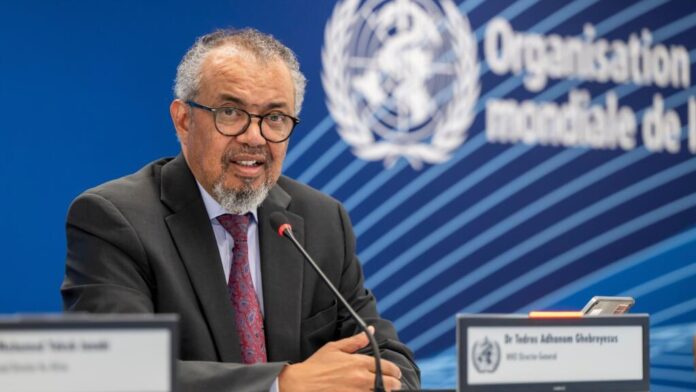
WHO Director-General Tedros Adhanom Ghebreyesus confirmed the launch, describing it as a potentially significant step in curbing transmission. He noted that if proven effective, the treatment could help prevent high-risk contacts from developing the disease.
The Bundibugyo strain currently has no approved vaccines or treatments, complicating response efforts as the outbreak intensifies. According to official figures from the DRC, more than 1,960 people have been infected and over 700 have died since the outbreak was declared on May 15 in Ituri province.
The trial is being conducted in Bunia and Rwampara in Ituri, where participants are being recruited from among individuals who have had direct contact with confirmed cases within the previous five days. Nearly 1,000 participants aged 12 and above are expected to be enrolled.
Each participant will be monitored daily for 21 days—the typical incubation period for Ebola—with a follow-up assessment at 42 days to evaluate outcomes.
Health authorities warn that the outbreak may be significantly larger than reported. WHO emergencies chief Chikwe Ihekweazu said the actual number of cases could be two to four times higher than official figures, citing gaps in surveillance and undetected transmission chains.
“Eighty percent of new cases are not among known contacts, indicating ongoing community transmission,” Ihekweazu said, adding that many infections are only identified after patients die outside health facilities.
The outbreak has spread beyond Ituri to four other provinces and has crossed into neighbouring Uganda, raising concerns about regional transmission. However, Ituri remains the epicentre, accounting for more than 90 percent of reported cases.
In parallel, a separate clinical trial began earlier this month to assess potential treatments for infected patients. That study is evaluating the monoclonal antibody MBP134 and the antiviral drug remdesivir, both individually and in combination.
Health experts say the results of the prevention and treatment trials could take several months, with findings likely extending into next year. If successful, they could mark a critical breakthrough in controlling one of the deadliest Ebola strains currently circulating in the region.