The Federal Government of Somalia, in collaboration with the African Development Bank (AfDB) and the United Nations High Commissioner for Refugees (UNHCR), has officially launched an ambitious $20.55 million project to be implemented in the Gedo region. This move is described as a clear demonstration of the country’s transition from emergency humanitarian aid toward sustainable urban stability.
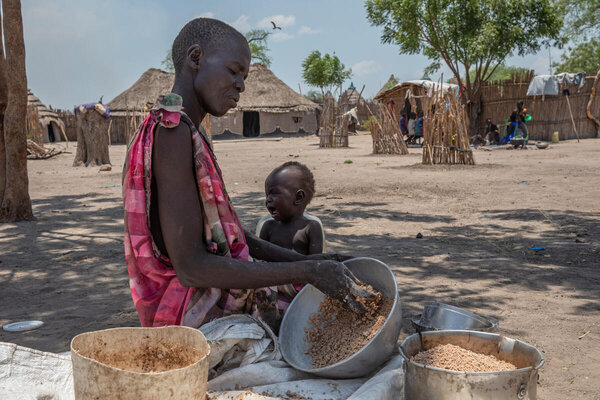
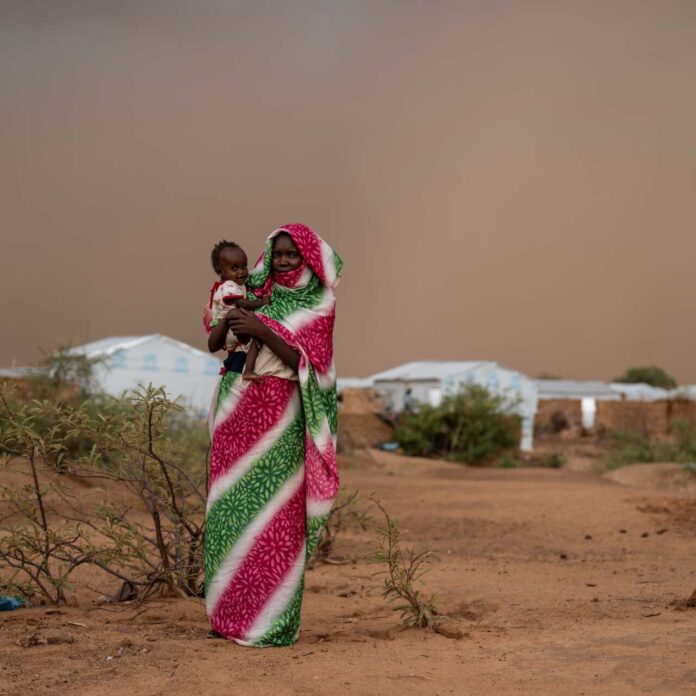
The initiative, titled “Strengthening Urban Resilience of Displaced Households and Tertiary Communities” (SURDHT) in Dollow, represents a strategic shift in how Somalia addresses internal displacement. Currently, more than 3.9 million people in Somalia are displaced due to climate change and conflict; this project aims to replace temporary shelters with permanent, dignified residential villages.
Formally announcing the start of the project in Mogadishu, Prime Minister Hamza Abdi Barre stated that the government views “durable solutions” not merely as humanitarian aid, but as a core pillar of state-building. In his speech, the Prime Minister noted that the initiative started in Dollow is designed to improve access to housing, water, sanitation, employment opportunities, and social services. He further explained that the government considers sustainable solutions fundamental to stability and inclusive development.
This project focuses on four urban settlements in the southern town of Dollow. Rather than keeping displaced persons in isolated shelters, it will implement activities that fully integrate them with the host community. These include constructing climate-resilient homes capable of withstanding the extreme weather patterns of the Horn of Africa, providing land tenure security to ensure displaced persons are not evicted a second time, and expanding basic infrastructure such as clean water and modern sewage systems.
Beyond infrastructure, this $20 million investment aims to tackle the economic issues that drive vulnerability. A significant portion of the funds will be dedicated to skill development and entrepreneurship training , specifically targeting women and youth. This is intended to help the community reduce its long-standing dependence on foreign aid and generate its own income.
Alex Mubiru, Director General of the African Development Bank’s East Africa Regional Office, pointed out that this investment showcases Somalia’s journey “from fragility to stability.” He added that when land ownership security and economic opportunities are provided, Somali communities develop the capacity to build their own futures.
The project will be implemented in cooperation with international organizations such as the International Organization for Migration (IOM), the Food and Agriculture Organization (FAO), UN-Habitat, and UN Women. This collaborative approach ensures effectiveness by linking immediate needs with sustainable peace and development.
As Somalia continues to face challenges brought about by climate change, the Dollow project will serve as a model for future national urban resilience building. By focusing on integrating displaced persons into the community rather than isolating them, this initiative offers new hope for turning Somalia’s displacement crisis into urban growth and national pride.