United Nations World Food Programme (WFP) has announced that Somalia, a nation already battered by drought and civil conflict, has fallen into an unprecedented and catastrophic food security and malnutrition crisis. In a stark statement, the organization warned that unless urgent funding is secured, it will be forced to completely halt humanitarian assistance starting from July 2026.
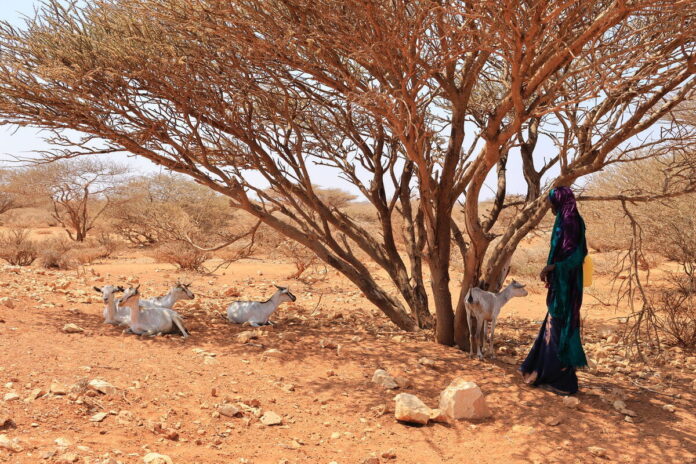
According to the WFP report, more than 6 million Somalis—roughly one-third of the population—are currently facing acute hunger. Among them, 1.9 million children are suffering from severe malnutrition. This crisis is the result of multiple consecutive failed rainy seasons, which have decimated crops and wiped out livestock across the country.
Beyond climate change, persistent insecurity and the ongoing conflict between Al-Shabaab militants and the federal government have severely obstructed aid distribution. However, what makes this year’s situation more dire than previous years is the sharp decline in international donor support. Wars in Ukraine and Russia, as well as escalating tensions in the Middle East (specifically between Iran and the U.S.), have diverted global attention and resources elsewhere, leaving hunger hotspots like Somalia neglected.
Speaking at a press briefing in Geneva, WFP Assistant Executive Director Matthew Hollingworth stated that the organization has already been forced to scale back its reach from 2 million people to just 500,000. “Somalia is currently one of the most severe malnutrition hotspots in the world,” Hollingworth noted, adding that without an immediate infusion of funds, even this limited support will cease by July.
A critical factor worsening the situation is the disruption of the supply chain for “Ready-to-use Therapeutic Food” (RUTF), a life-saving treatment for malnourished children. Due to the war in the Middle East, shipments are facing delays of up to 40 days.
At the Kahda displacement camp near Mogadishu, displaced families report that going entire days without food has become the norm. Many fled their homes due to the drought, only to find themselves in camps where aid is non-existent.
The current warning signs mirror the 2022 hunger crisis when Somalia was on the brink of famine. At that time, a massive international mobilization averted disaster. Now, however, funding shortages and global political volatility appear to have left Somalia standing alone. Economists also point out that rising global fuel prices and shipping disruptions have driven up local food costs, stripping the average citizen of their purchasing power.
The United Nations and various human rights organizations are repeatedly calling on donor nations to turn their attention back to Somalia. It is feared that thousands of children and vulnerable adults could perish if urgent funding is not secured before the July deadline. Somalia is currently caught between two fires: natural drought and internal conflict on one side, and international indifference on the other.