The Kenyan government has announced that it has secured a $42 million grant (approximately 5.4 billion Kenyan Shillings) from the Green Climate Fund (GCF) to modernize the country’s dairy sector and reduce greenhouse gas emissions.
This significant funding is earmarked for the “Dairy Interventions for Mitigation and Adaptation” (DalMA) project, which will be implemented across 12 Kenyan counties. During a parliamentary consultative meeting held in Nairobi on Wednesday, officials stated that the project aims to reduce livestock-related emissions by 20 percent by the year 2032.
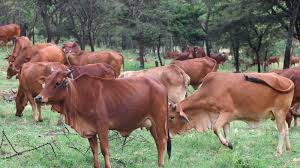
According to data presented by the Principal Secretary for the State Department of Livestock Development, the livestock sector accounts for more than 70 percent of Kenya’s total methane emissions. Specifically, methane produced during the digestive process of livestock (enteric fermentation) represents 96 percent of the sector’s total emissions.
The Principal Secretary explained that the livestock sector contributes 28 percent of the overall national greenhouse gas emissions, which constitutes 90 percent of all emissions from the agricultural industry. Studies suggest that without intervention, emissions from this sector could increase by 49 percent by 2030.
The primary objective of the DalMA project is to prioritize productivity and efficiency rather than reducing the number of livestock. This approach is designed to balance environmental protection with the economic interests of the 1.8 million households currently engaged in Kenya’s dairy value chain.
The Ministry of Agriculture noted that they have identified a practical pathway to reduce emissions by lowering the amount of methane produced per unit of milk or meat. The project focuses on five key pillars: improving livestock genetics, enhancing feed and nutrition to aid digestion, protecting animal health, reducing post-harvest milk loss, and managing manure to limit nitrous oxide and methane release.
Scientific findings from the International Livestock Research Institute (ILRI) indicate that improving the quality of animal feed can increase milk yield by 23 percent while reducing methane emissions per kilogram of milk by 15 percent. Furthermore, research conducted in Western Kenya showed that halving calf mortality rates could generate enough additional protein to feed 2.2 million people.
If preventable calf deaths were eliminated entirely, the nutritional needs of 4.5 million people could be met. This highlights a direct link between climate action and national food security.
While Kenya committed to the Global Methane Pledge at COP28 in Dubai—aiming for a 30 percent reduction in methane emissions by 2030—the initiative faces some social and political challenges. A mass livestock vaccination campaign launched last year sparked public debate on social media, with critics linking foreign-funded climate programs to external agendas. However, the government maintains that the project is strictly focused on increasing farmer income and building climate resilience. Dr. John Mutunga, chairperson of the parliamentary committee on agriculture, emphasized that although methane is 68 times more potent than carbon dioxide in its warming potential, it often receives less attention. The DalMA program is part of a broader East African initiative intended to make Kenya a leader in climate-smart agriculture.