A harrowing new report from the Integrated Food Security Phase Classification (IPC) has issued a “damning indictment” of the man-made catastrophe unfolding in South Sudan. As of May 2026, an estimated 7.8 million people—more than half the country’s population—are facing desperate levels of food insecurity, with tens of thousands already teetering on the brink of starvation.
The report, which has sent shockwaves through the international humanitarian community, highlights a grim escalation in Upper Nile and Jonglei states. In these regions, the resurgence of fighting between government forces and the Sudan People’s Liberation Army in Opposition (SPLA-IO) has not only displaced hundreds of thousands but has also effectively severed the lifelines of the civilian population.
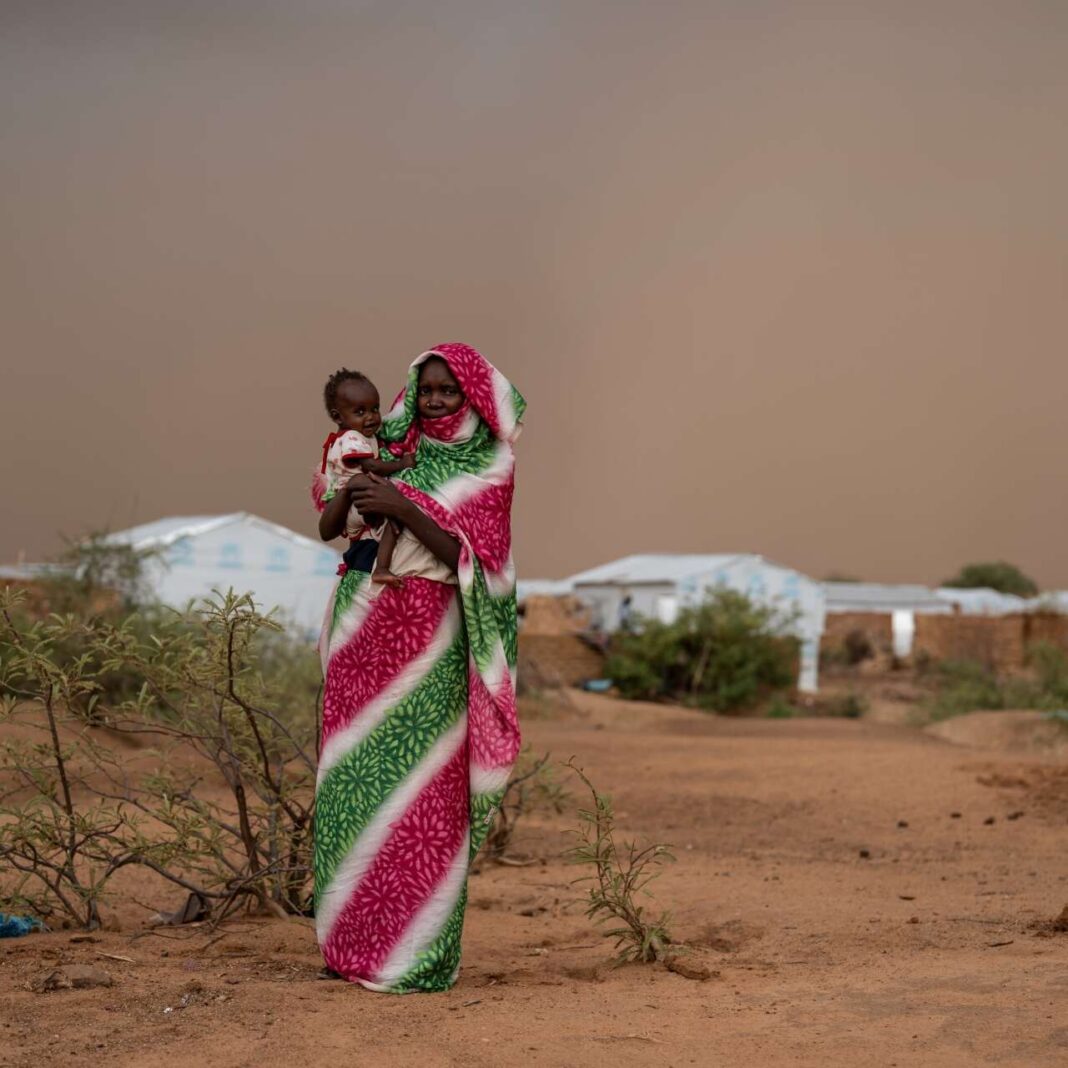
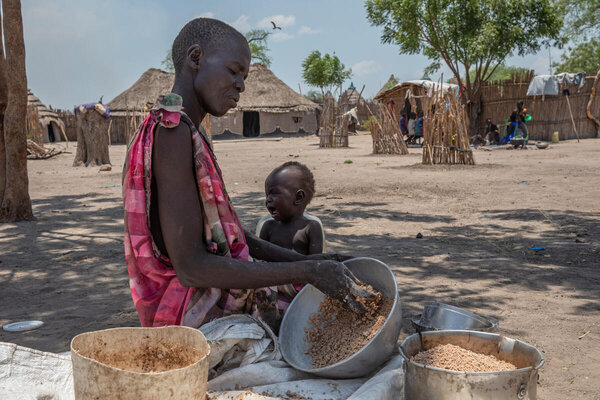
The most heartbreaking data centers on the youngest citizens. Approximately 2.2 million children under the age of five are projected to suffer from acute malnutrition this year. In areas like Akobo and Abiemnhom, the situation has reached a breaking point. Without immediate nutritional intervention, medical experts warn that these children face permanent cognitive and physical damage, if they survive at all.
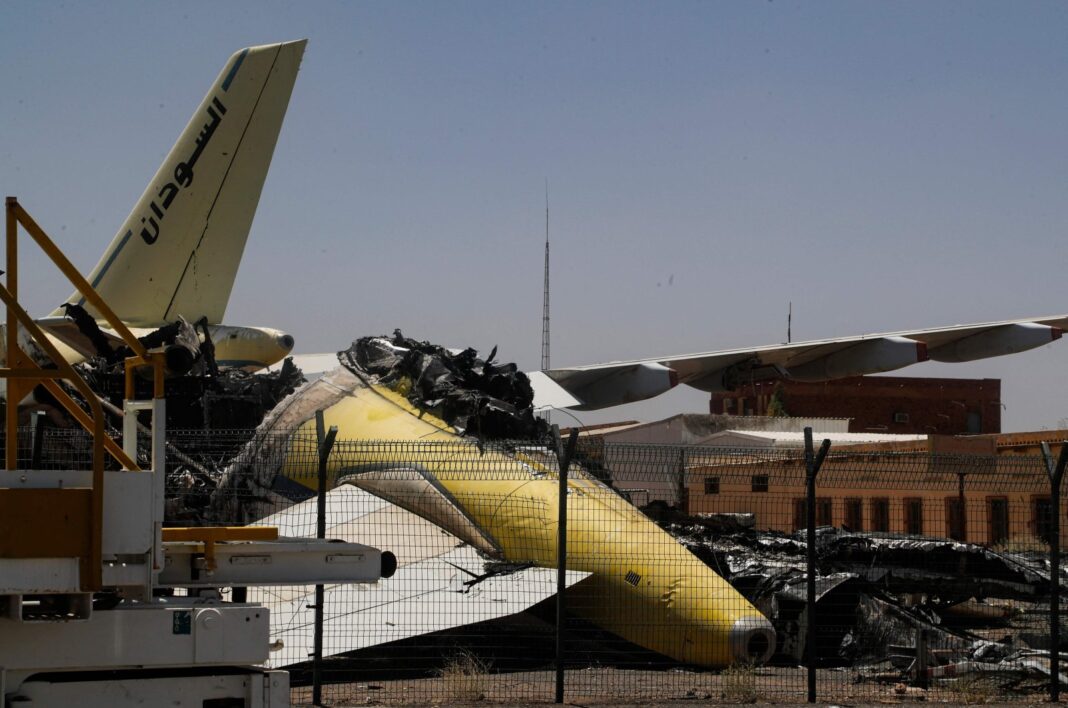
Journalists and human rights researchers have documented a trail of devastation behind the front lines. Reports from the ground indicate that both sides of the conflict have engaged in the looting and burning of civilian property, sexual violence, and the targeted destruction of essential infrastructure, including hospitals and water points.
Human rights organizations are increasingly pointing to a deliberate strategy by warring factions to weaponize hunger. Since late 2025, the military has issued sweeping evacuation orders in strategic counties. On March 6, a military order forced 270,000 people, including UN personnel and aid workers, to flee Akobo County.
These “tactical” evacuations are frequently paired with administrative roadblocks designed to prevent food convoys from reaching opposition-held territories. “This isn’t just a byproduct of war; it is a calculated effort to starve populations into submission,” stated a researcher from the Africa Division of Human Rights Watch. “When you bomb a hospital and then block a grain truck, you are no longer fighting a war—you are committing a crime against humanity.”
The international response has transitioned from concern to outrage. UN Security Council members are now facing mounting pressure to move beyond diplomatic condemnations. Advocates are calling for targeted sanctions against specific commanders and officials who are found to be deliberately obstructing the delivery of life-saving aid.
“South Sudan’s leaders must remember that enabling a famine is a prosecutable international crime,” the report warns. With global attention often diverted by other crises in the Middle East and Eastern Europe, the people of South Sudan find themselves in a race against time.
As food warehouses sit empty or are looted before they can reach those in need, the window to prevent a full-scale famine is rapidly closing. For the 73,000 people currently in “Phase 5” (Catastrophe) levels of hunger, the difference between life and death now rests on whether the international community can force a path for aid through the thicket of conflict.