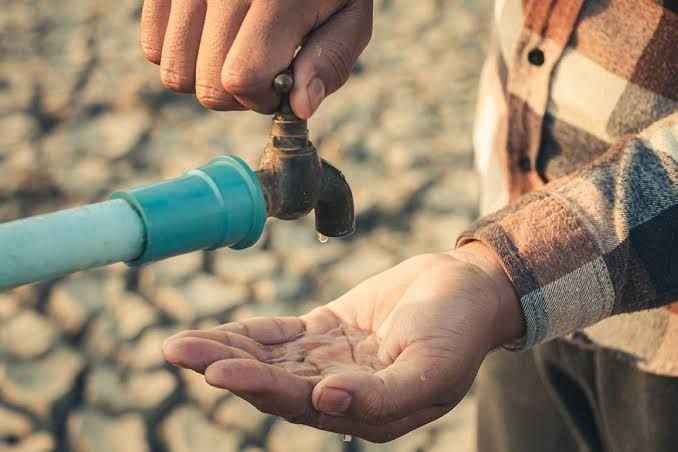
In the highland capital of Asmara, a city once celebrated for its Art-Deco architecture and relatively temperate climate, a silent crisis is tightening its grip on daily life. Chronic water shortages have become so severe that households are being forced to adopt extreme conservation measures, purchase expensive supplies from private tankers, and even turn to saltwater from the Red Sea—all while navigating an environment where speaking out about hardship carries grave personal risk.
According to a recent report by Agence France-Presse (AFP) based on interviews with local residents, the situation in Eritrea’s largest city has deteriorated to the point where water is no longer a reliable utility, but a costly and often unattainable commodity. For many families, the day begins not with a morning shower, but with calculating how many liters remain in their storage barrels and how long they must last.
One resident, who asked to be identified only as “Saba” due to fears of government reprisal, told AFP that her family has managed to purchase water using remittances sent from relatives living abroad. Even with that financial lifeline, however, strict rationing remains unavoidable. Describing their carefully structured daily routine, she noted that showers and laundry are staggered across different days, and toilets are flushed only after multiple family members have used them.
“We cannot complain,” she said, noting that while shortages occur every dry season, they have become so frequent that many neighbors no longer bother to voice their frustration aloud. When rain does fall, however, the neighborhood springs into action—placing barrels, jerrycans, and any available container outdoors to capture every possible drop.
For those without access to foreign currency or family support abroad, the crisis is even more dire. In poorer districts of Asmara, some residents have resorted to purchasing saltwater trucked in from the Red Sea, located roughly 60 kilometers away.
A resident using the pseudonym “Mebrat” told AFP that a single barrel of seawater costs around 150 nakfa (approximately $10)—a staggering sum in a country where poverty is widespread. This expense has forced her family to cut back on food purchases, prioritizing water for their children above all else. “It is a heavy burden,” she said, “but we have no choice.”
The roots of the crisis are deep and multifaceted. A study published in July in the journal Advances in Geographical and Environmental Sciences points to a confluence of factors: rapid population growth, shifting climate patterns that have rendered rainy seasons unpredictable, aging and poorly maintained infrastructure, and ineffective water management policies.
The study noted that while Asmara relies heavily on reservoirs filled during the rainy season, irregular distribution and unsafe water quality have compounded the problem, leaving many neighborhoods without reliable access for days or even weeks at a time.
Efforts to seek official comment on the crisis have been met with silence. AFP reported that Eritrean Information Minister Yemane Gebremeskel did not respond to multiple requests for comment—a reflection of the government’s longstanding reluctance to engage with international media on sensitive domestic issues.
Eritrea, led by President Isaias Afwerki since gaining independence from Ethiopia in 1993, remains one of the most closed-off nations in the world. Independent media are banned outright, foreign journalists are almost never granted accreditation to operate inside the country, and citizens who criticize the government can be detained without trial for indefinite periods.
According to the AFP report, it is this climate of fear that led all interviewed residents to request anonymity—a precaution that underscores the very real dangers of speaking publicly about basic hardships.
Mohamed Kheir Omer, an Eritrean researcher living in exile, told AFP that the water shortages are not a sudden emergency, but a protracted failure. “Infrastructure has received little investment for years,” he said, adding that water is only one of many pressing deficiencies. He noted that the country also faces critical shortages of medicines as well as frequent, debilitating electricity outages that further hamper daily life and any hope of economic recovery.