“The future of Africa’s climate is not something we wait for – it is something we build.” In a discussion with Africa Renewal, Fatima Zannah Mustapha describes what drives her to create climate innovations that support the community while helping the environment.
Growing up in Borno State of Nigeria, Fatima Zannah Mustapha, witnessed how climate change impacts further compounded existing vulnerabilities – intensifying food insecurity, economic instability, and displacement. For many community members, especially women and young people, environmental degradation is not a distant crisis but a daily reality.
A defining turning point for her was observing how declining agricultural productivity limited opportunities, and how those most affected by these challenges were excluded from innovative solutions.
“This shaped my commitment to building practical, inclusive, and scalable climate solutions that empower women and young people to adapt and lead in their own communities” she says.
Empowering women and youth in climate and tech
As an award-winning tech innovator, Fatima is passionate about amplifying women’s voices in the tech field and is deeply committed to using technology as a tool for inclusion and transformation. Her passion for tech engagement stems from her experience in training over 500 women in digital skills, where she saw firsthand how access to technology can unlock economic opportunities and confidence. This journey naturally evolved into climate action, as she recognized that equipping women and girls with digital and technical skills enables them to develop and lead innovative climate solutions within their communities.
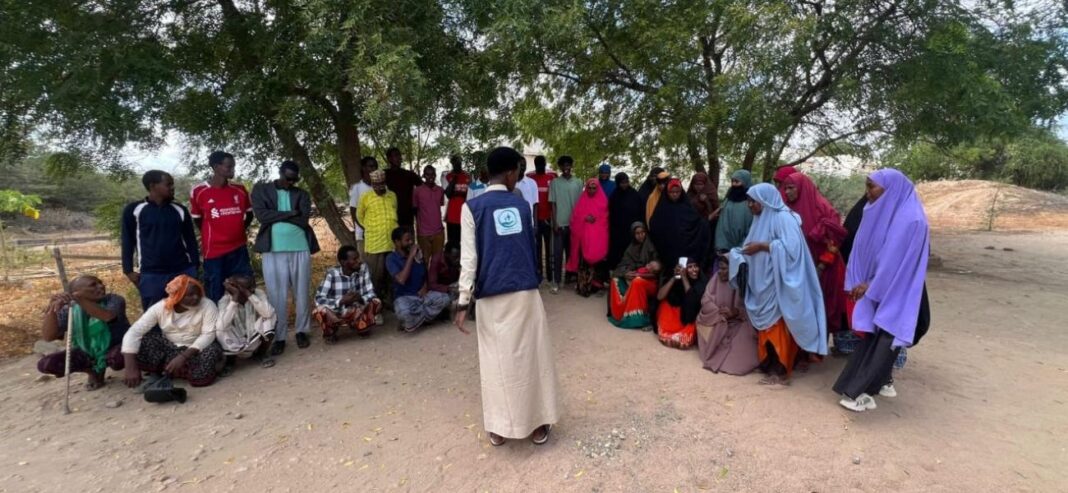
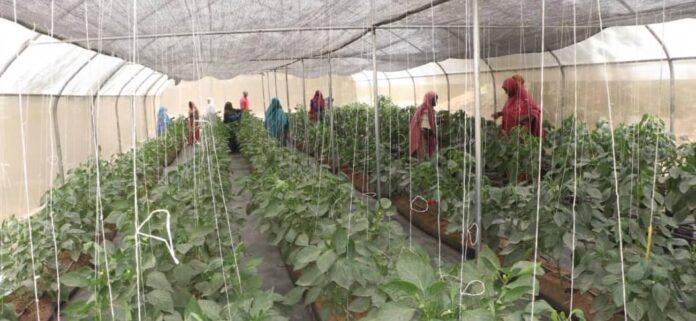
In 2007, Fatima co-founded the Future Prowess Foundation, an award-winning organization dedicated to empowering vulnerable populations — particularly women, youth, and refugees — through education, technology, and sustainable development. The Foundation’s mission is to bridge inequality gaps by providing access to digital skills, climate education, and economic opportunities, enabling communities to build resilience and sustainable livelihoods. Through the Foundation, Fatima leads an integrated approach to climate action that combines green farming, digital empowerment, and innovative agricultural solutions.“We train women and youth in climate-smart agriculture, including sustainable farming, tree planting, and environmental stewardship,” Fatima explains, “We’re equipping them with the tools to not only become drivers of climate solutions but also improve agricultural productivity and resilience in their communities.”
One of the foundation’s key innovations is the advancement of plant tissue culture, which allows for the production of high-quality, disease-free planting materials that improve crop yield and resilience. Through this work, women and girls gain access to improved, high-yield planting materials that increase agricultural productivity, strengthen food security, and creates sustainable income streams for their households and communities.
Shifting perceptions on climate solutions
When Africa Renewal asked Fatima about any challenges she’s encountered in her work, she explained that implementing innovative climate solutions in underserved regions is crucial – but it comes with its challenges. Fatima flags how limited technical infrastructure and resources can make it difficult, especially when trying to advance methods such as tissue culture and climate-smart agriculture systems.
She further explains that driving these innovative solutions also requires building trust with partners, continuous training, and demonstrating concrete and effective impacts as many communities heavily rely on traditional farming methods as Fatima explains. Additionally, gender barriers continue to limit women’s access to resources despite their central role in agricultural practices.
Fatima sees potential: “By building strong partnerships and leading community-driven approaches, we continue to overcome these barriers and scale sustainable impact that position climate actions as an opportunity for innovation, leadership, and economic growth”.
She recalls a time when early efforts to introduce modern farming methods, including climate smart agriculture in Borno State, were initially met with some resistance. Fatima explains that establishing climate-smart demonstration farms helped overcome this barrier by allowing residents to observe the techniques firsthand. She says that demonstrating higher yields and engaging local women as trainers and leaders proved pivotal, ultimately driving increased adoption of sustainable practices, improving food production, and strengthening community resilience.
From vulnerability to leadership
“We are not just witnesses to climate change – we are innovators, problem-solvers, and leaders of solutions the world needs,” says Fatima, “Africa has the potential to lead a new model of climate resilience rooted in community, creativity, and sustainability.”
From 2018 to 2025, the Future Prowess Foundation has implemented several impactful community projects, including digital literacy programs, climate-smart agriculture training, and women empowerment initiatives. The Foundation has already seen a positive impact in communities across Maiduguri and other parts of Borno State, including Jere and surrounding rural areas.
Currently active in Northeast Nigeria, particularly in Maiduguri, Fatima continues to provide women and young people with the tools to create positive climate change within their communities and daily interactions. She is leading projects that integrate climate-smart agriculture, digital empowerment, and emerging technologies such as AI to expand sustainable impact. She hopes to scale this approach across Nigeria and Africa, creating a network of youth-led, technology-driven climate solutions.
“If we act with purpose and urgency, we can transform our story from vulnerability to leadership.”