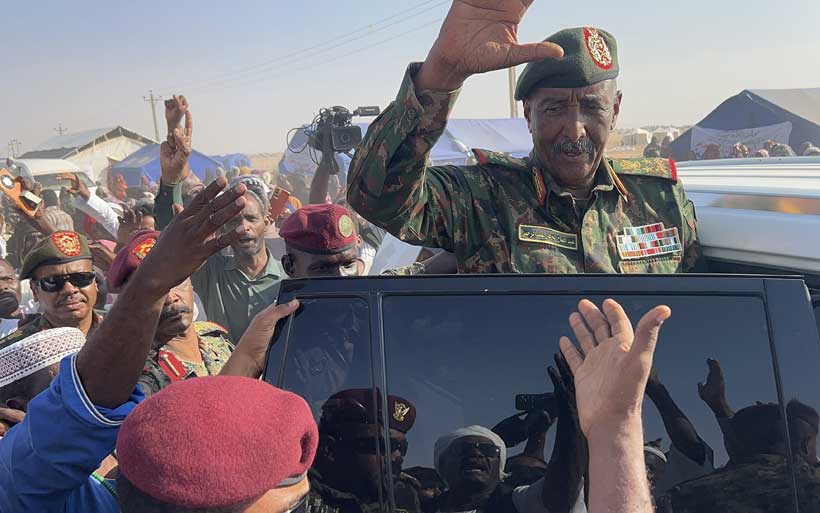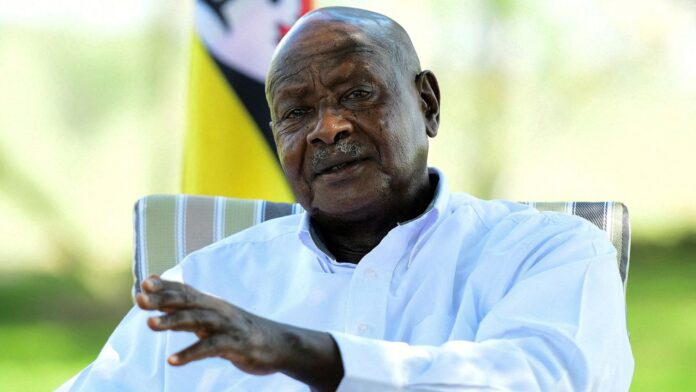
Ugandan President Yoweri Kaguta Museveni has issued a statement to calm significant public anxiety and controversy surrounding the country’s proposed new “Sovereignty Bill.” The President dismissed rumors that the legislation aims to block foreign investment or stifle financial remittances, characterizing the public outcry as “orwaari” (noise).
In a detailed address directed toward “Fellow Ugandans, especially the Bazzukulu” (the grandchildren/youth), the President clarified that the primary intent of the Bill is to safeguard Uganda’s right to self-determination rather than disrupting the private economy. He emphasized that the initiative, which he introduced to the Cabinet, is deeply rooted in the Pan-African struggle for independence and the values of self-governance.
President Museveni defined sovereignty specifically as the exclusive right to make policy decisions without external interference or manipulation. He explained that this right covers several critical pillars, including political representation, social issues such as the national stance on homosexuality, economic policies regarding privatization, and diplomatic neutrality in global conflicts like the Russia-Ukraine war.
Quoting the late Mwalimu Julius Nyerere, the President noted that independence includes the right to make one’s own mistakes and learn from them. He further elaborated by using the term “muteleke” (leave us alone), urging external entities to allow Uganda to make its own decisions without funding local groups to influence national policy.
Addressing specific fears that the Bill would halt Foreign Direct Investment (FDI), church donations, or remittances from Ugandans in the diaspora, Museveni was emphatic that his version of the Bill does not support interference with the movement of capital. He reaffirmed Uganda’s commitment to a free-market economy, noting that a free private sector serves as a vital insurance policy against corrupt or unpatriotic public servants. He pointed out that under his policy, foreign exchange remains freely traded in private bureaus, and legally earned money can move in or out of the country without hindrance.
To ensure the legislation does not veer into unintended areas, the President revealed he has already held discussions with the Government Chief Whip, Hon. Hamson Obua, and relevant Parliamentary Committee Chairpersons. The standing directive is to focus the Bill strictly on the sovereignty of policy-making while protecting the “precious” freedom of private enterprise.