
A severe reduction in international humanitarian funding across Somalia is cutting off life-saving medical services for millions of pregnant women, nursing mothers, and young children. This funding shortfall has drastically worsened an already dire humanitarian crisis, while inadequate spring (Gu) rains have intensified the drought, pushing the country further toward famine, according to the international aid organization CARE.
Currently, nearly two million children in Somalia are suffering from acute malnutrition, with approximately 500,000 in a critical, life-threatening condition. Despite this escalating crisis, nearly 50 CARE-supported health and nutrition centers across Puntland, Somaliland, Galmudug, and Lower Juba have been forced to close completely since January 2026. Nationwide, approximately 500 primary healthcare facilities have shut down due to these severe funding shortages.
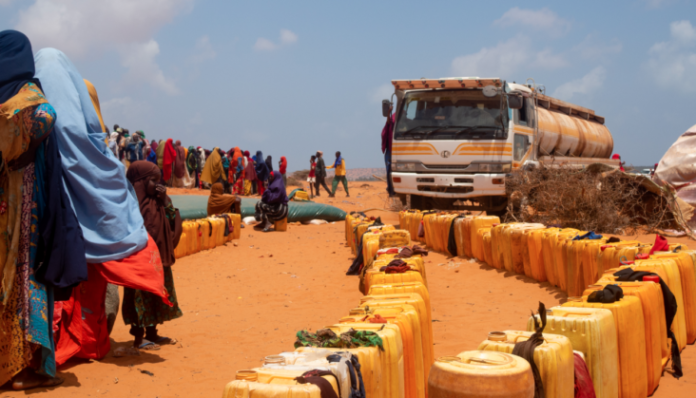
Describing the situation in the Galmudug region as “catastrophic and on the verge of collapse,” Abdikadir Ore, CARE Somalia’s Humanitarian Coordinator, confirmed that 11 health centers and mobile clinics have closed, while water and cash assistance programs have ceased. As a result, mothers are forced to watch their children grow weaker, and preventable diseases such as cholera, measles, and diphtheria are spreading rapidly. Medical personnel in Kismayo also report that exhausted and dehydrated mothers are walking for days without food or water, only to arrive at remaining health facilities that are entirely overwhelmed.
One mother, Abdiyo Adan, walked for hours carrying her child on her back in search of treatment, only to find her local health facility closed. Her child’s Mid-Upper Arm Circumference (MUAC) measured just 11.3 centimeters, indicating severe acute malnutrition. “Coming to this health center was our last hope, but now it’s not working,” she said helplessly.
Compounding the crisis, the cost of life-saving nutritional supplies has surged. A carton of therapeutic milk used to treat severely malnourished children rose from US139 in 2024 to US186 in 2025, and has reached US$200 in 2026—a 44 percent price increase in just two years. This spike is driven by supply chain disruptions and rising transport costs linked to the Middle East crisis and shipping bottlenecks in the Strait of Hormuz.
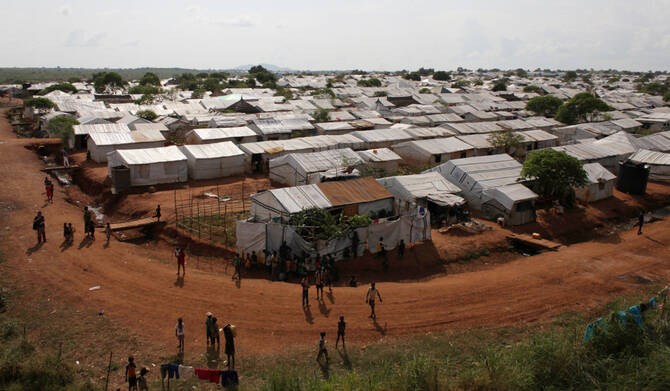
An estimated 6 million people nationwide are currently facing acute food insecurity, and water prices have spiked by up to 300 percent in some areas. Women and children make up over 80 percent of Somalia’s 3.5 million internally displaced persons, bearing the brunt of the crisis. To survive, mothers are skipping meals, and young girls are increasingly at risk of being pulled from school and forced into early marriages.
CARE Somalia Country Director Ummy Dubow warned, “By the time famine is officially declared, it will already be too late for the children who are dying right now.” The organization is urgently calling on the international community for an immediate and flexible increase in humanitarian funding, with a focus on channeling resources directly to local and women-led organizations. CARE also urged all parties to ensure full, safe, and unhindered humanitarian access to the affected populations.