
Tanzania has officially launched a major regional energy initiative aimed at supplying natural gas to neighboring Uganda and Kenya through a unified cross-border pipeline. Announced by Engineer Charles Sangweni, Director General of the Petroleum Upstream Regulatory Authority (PURA), during the Second African Youth in Oil and Gas International Conference in Unguja, Zanzibar, the landmark project marks a significant shift in East African energy geopolitics and positions Dodoma as a central supplier of clean energy for the industrializing bloc.
The infrastructure project seeks to unlock Tanzania’s estimated 57.54 trillion cubic feet of proven natural gas reserves, facilitating a regional transition away from expensive, high-emission fossil fuels. Between March 2021 and March 2025, the country successfully produced 301.33 billion cubic feet of natural gas, creating a reliable surplus available for export to meet soaring industrial demands in Nairobi and Kampala.
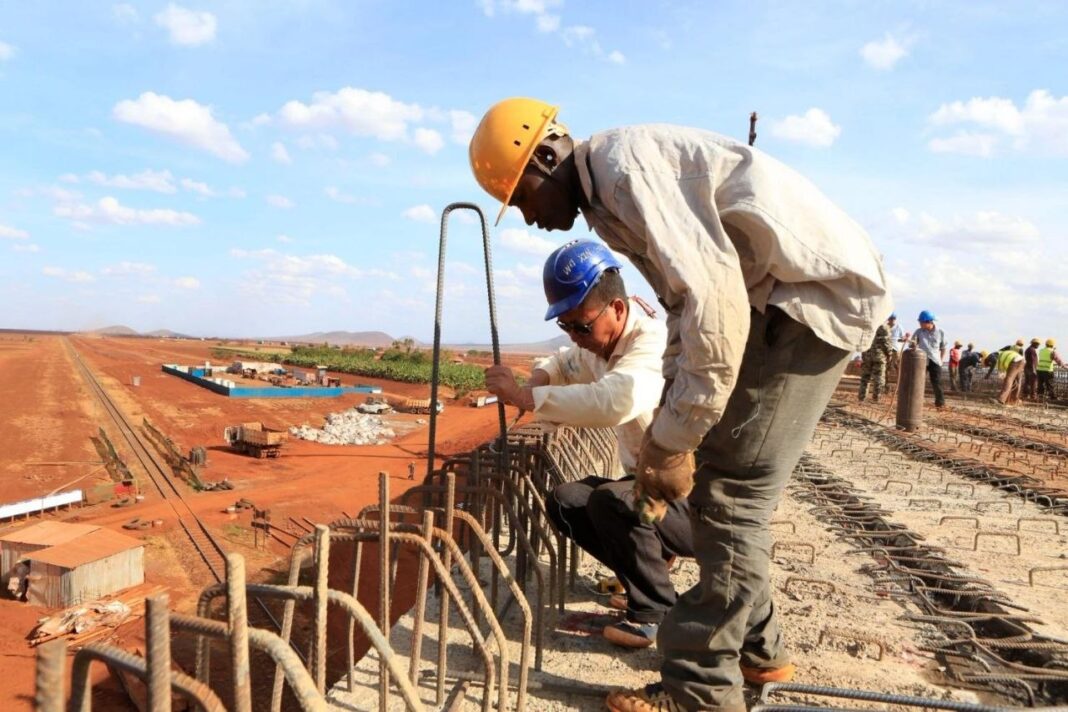
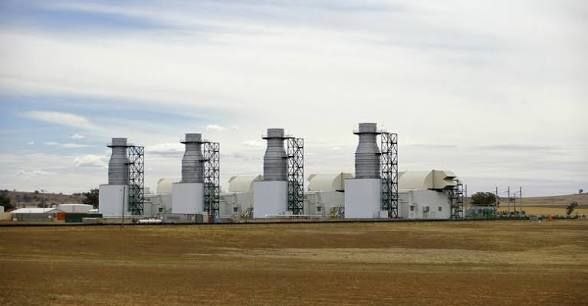
The proposed pipeline will integrate closely with existing domestic infrastructure, extending the National Natural Gas Pipeline—which currently connects southern gas fields in Mnazi Bay and Songo Songo to Dar es Salaam—across international borders into Kenya and Uganda.
Supplying piped gas directly to critical hubs like the Kampala Industrial Business Park and Kenya’s special economic zones will drastically lower power generation costs and strengthen manufacturing competitiveness across all three nations, while PURA has established formal technical partnerships with Kenya’s Energy and Petroleum Regulatory Authority (EPRA) and the Petroleum Authority of Uganda (PAU) to harmonize cross-border regulatory frameworks and ensure seamless execution.
“The planned pipeline will enhance regional integration, boost energy security, and promote wider use of natural gas as countries seek cleaner and more sustainable energy sources,” Engineer Sangweni told conference delegates, emphasizing that the development is central to the nation’s long-term Liquefied Natural Gas (LNG) export strategy.
Tanzania’s upstream sector is experiencing a renaissance under the Sixth Phase Government led by President Samia Suluhu Hassan. Recent milestones, such as issuing a development license for the Ntorya discovery area and acquiring extensive seismic data in the Ruvu and Ruvuma blocks, have significantly de-risked the basin for international investors. Global energy majors, including Shell, Equinor, and Chevron, are monitoring these developments as the country builds out its LNG export capabilities.
For international markets extending to the United Kingdom and Australia, Tanzania’s emergence as a reliable natural gas conduit offers a stabilizing alternative to volatile Middle Eastern and Eastern European supply chains. The project aligns seamlessly with global Environmental, Social, and Governance (ESG) mandates, providing a transitional fuel that bridges the gap between traditional coal reliance and total renewable energy adoption.
The conference was the vital role of African youth in shaping the continent’s energy future. Engineer Sangweni stressed that local content policies must go beyond mere compliance, noting that the operation and maintenance of a tri-nation pipeline requires specialized expertise in engineering, geology, and data analytics.
“Greater youth involvement would help build the skills and innovation needed to sustain the industry’s growth while ensuring Africans benefit more from their natural resources,” Sangweni stated. He added that increased Tanzanian participation in upstream projects has set a positive benchmark for neighboring countries like Uganda, which is concurrently developing its own Albertine Graben oil reserves.