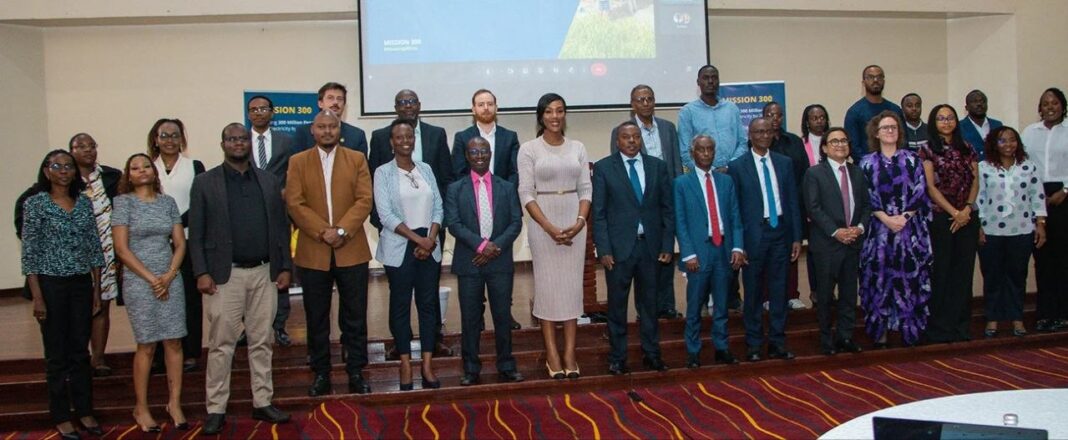


The capital city of Ethiopia, Addis Ababa, has officially become the center of a landmark continental dialogue as the 2026 African Logistics and Communications Symposium (ALCS) commenced. Bringing together senior military commanders, defense experts, and international industry leaders from more than 40 African nations, this high-profile event is designed to tackle some of the most persistent operational hurdles facing modern security forces across the continent.
Co-hosted by the Ethiopian National Defense Forces (ENDF) and the United States Africa Command (AFRICOM), the symposium merges critical logistics and communication frameworks into a single, unified platform aimed at forging enduring partnerships and driving tactical innovation.
Opening the historic gathering, Ethiopia’s Minister of Defense, Aisha Mohammed, emphasized that resilient logistics infrastructure and secure, interoperable communications are absolute prerequisites for operational success. She noted that as security threats grow increasingly complex—ranging from transnational terrorism and illicit trafficking to maritime insecurity—military strategy and brave personnel alone cannot guarantee victory.
Without dependable supply lines, food, medical support, and rapid communication channels, even the most advanced forces risk operational stalls. Her remarks set a pragmatic tone for the multi-day conference, urging delegates to move beyond acknowledging problems and instead focus on collaborative, actionable solutions.
Echoing this sentiment, U.S. Ambassador to Ethiopia Ervin J. Massinga stressed that true partnership is measured not by rhetoric, but by collective capability during times of crisis. He pointed out that logistics and communications rarely claim major news headlines, yet they invariably determine the outcomes of military engagements, peacekeeping missions, and humanitarian responses.

By bringing together dozens of African delegations alongside commercial defense innovators from the United States, the symposium creates a vital bridge between security requirements and private-sector technological advancements.
The conference places a heavy emphasis on several core pillars necessary for long-term regional stability, including supply chain optimization, inventory management, waste reduction, and data security.
Leaders at the forum are actively examining how to leverage digital-age advancements—such as advanced satellite communications, uncrewed aerial systems, and modern IT architecture—to overcome Africa’s vast distances and demanding terrains. Furthermore, discussions center heavily on defense economics, ensuring that participating nations build sustainable, self-sufficient institutions rather than short-term dependencies.