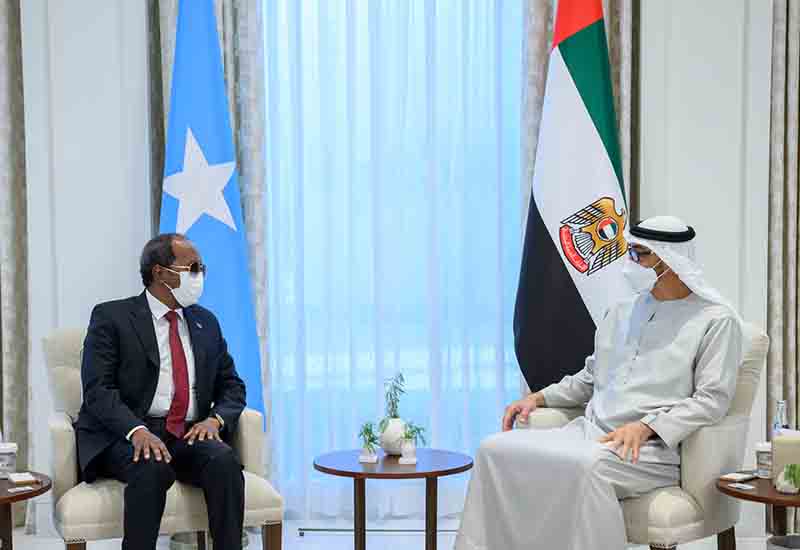
The Federal Government of Somalia has categorically rejected reports circulating on social media and various minor news outlets suggesting a plan to expel the United Arab Emirates (UAE) Ambassador, labeling the claims as “unfounded and deceptive.” In a statement released yesterday, the Somali Ministry of Foreign Affairs and International Cooperation expressed deep concern over the spread of false information that could further strain the diplomatic ties between the two nations.
The Ministry officially confirmed that the government has made no new decisions regarding the UAE’s diplomatic mission in Mogadishu or the status of its Ambassador. “We urge both media organizations and citizens to rely solely on official government sources and to report responsibly,” the Ministry stated. This denial comes at a sensitive time, as the relationship between the two countries remains clouded by suspicion and tension, drawing significant public and international attention.
Despite Mogadishu’s denial of expulsion plans, it is well-known that relations between Somalia and the UAE have significantly deteriorated over the past several months. In January 2026, the Somali Council of Ministers announced the termination of all bilateral agreements with the UAE concerning defense, security, and port development. Somalia justified this drastic move by citing “strong evidence” of actions that threatened the country’s national unity and sovereignty.
Specifically, Mogadishu was angered by the UAE’s strengthened military and economic cooperation with Somaliland, particularly following reports of international gestures toward recognizing Somaliland’s independence. Somalia views these actions as a direct violation of its territorial integrity. Consequently, in February 2026, Abu Dhabi officially suspended the security and military aid it had been providing to Somalia, further highlighting the divide between the two capitals.
As relations with the UAE have cooled, the Somali government has pivoted toward other Gulf partners. Mogadishu is currently engaged in intensive discussions regarding a tripartite security arrangement with Saudi Arabia and Egypt. This proposed pact focuses primarily on Red Sea security and military collaboration, as Somalia seeks to bolster control over its strategic maritime borders.
On the other hand, the UAE has continued to elevate its relationship with Somaliland. Just last week, Somaliland President Abdirahman Mohamed Abdullahi “Irro” was received in Dubai with high-level honors typically reserved for heads of state. It remains clear that the $442 million investment by DP World in the Port of Berbera continues to be a primary strategic interest for Abu Dhabi in the region.
Although political and military ties are under immense pressure, humanitarian collaboration between the two nations has not completely ceased. Recently, UAE Ambassador Ahmed Juma Al-Rumaithi pledged a 7,000-ton food aid package for vulnerable populations in Somalia. Additionally, discussions are ongoing between the UAE and the Somali Disaster Management Agency (SoDMA) regarding seasonal flood prevention and repairs to the Sabun Dam.