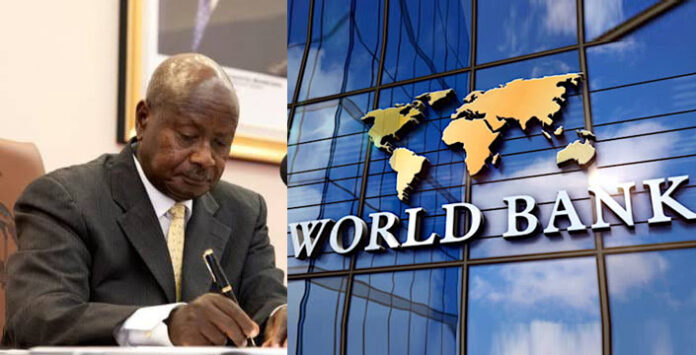
The World Bank and the Bank of Uganda have announced that a new draft law introduced to parliament by the Ugandan government, titled “The Protection of Sovereignty Bill, 2026,” poses a significant threat to the country’s economic and developmental activities. This bill specifically imposes strict controls on financial support and investments entering from foreign countries, which officials state could deplete Uganda’s foreign exchange reserves and trigger severe inflationary pressures.
In a formal statement, the World Bank warned that the new legislation could severely hinder ongoing development projects within Uganda. Specifically, the provision requiring any entity receiving funds from abroad to register as a “foreign agent” could potentially criminalize the Bank’s various policy discussions and meetings.
The institution added that this type of regulatory measure would prevent non-governmental organizations and development partners from operating freely, leading to a substantial decrease in the support the country receives from donors. The World Bank emphasized that such a shift would ultimately drag down Uganda’s poverty reduction strategies and infrastructure development.
Bank of Uganda Governor Michael Atingi-Ego also expressed grave concerns, describing the law’s potential impact on the economy as “disastrous.” According to the Governor, if the flow of foreign currency into the country is restricted, the value of the Ugandan Shilling will drop sharply.
He cautioned that tampering with these inflows risks running down the nation’s reserves, which would increase inflation through exchange rate depreciation and leave ordinary citizens struggling. The central bank has officially presented these concerns to the parliamentary standing committee.
The draft bill, which was presented to parliament on April 15, mandates that any Ugandan individual or organization receiving money from outside the country must undergo special registration, obtain a government certificate, and disclose the source and details of the funds. The government argues that this law is necessary to protect the country’s politics from foreign interference and to uphold national sovereignty.
However, human rights activists, civil society organizations, and opposition parties are actively opposing the bill, claiming it targets the democratic space and is an attempt to suppress independent voices.
Commercial banks have also voiced concerns, fearing that the law will complicate financial transactions and place an undue burden on the business community. Currently, the Ugandan Parliament is in the process of gathering public feedback, and it remains to be seen if the pressure from the World Bank and other international institutions will force the government to amend the draft legislation.