As war-torn Sudan grapples with a spiraling health crisis, the nation’s Health Minister has issued an urgent plea for citizens to seek vaccinations and implement preventive measures. The call comes as outbreaks of Dengue fever and Malaria surge out of control across multiple states, threatening to completely overwhelm a healthcare system already shattered by years of conflict.
Over the past few months, a dramatic increase in infection rates has been recorded in key regions, including Khartoum, River Nile State, Darfur, and Kordofan. The Health Minister emphasized in a formal statement that the country is now facing a “dual catastrophe”—navigating a violent security vacuum while simultaneously battling a deadly biological threat. He noted that the speed at which Dengue fever is currently spreading is unprecedented in the region’s recent history.
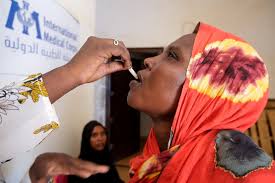
The Minister stressed that vaccination is no longer a matter of choice but a “necessity for survival,” particularly for children and the elderly. He urged parents to utilize any functioning health facilities or temporary mobile vaccination units. There is growing concern that the millions of internally displaced persons living in crowded, makeshift camps are at the highest risk, as these environments lack the basic infrastructure to curb the spread of mosquito-borne illnesses.
International health organizations, including the World Health Organization (WHO), have pointed out that the collapse of water management and sanitation systems has created perfect breeding grounds for disease-carrying mosquitoes. The accumulation of stagnant water and the breakdown of waste disposal services in urban centers like Khartoum have exacerbated the crisis. Currently, more than 70% of Sudan’s healthcare facilities are non-functional due to the war, while the remaining clinics face chronic shortages of medicine, electricity, and qualified personnel.
Dengue fever, a viral infection transmitted by mosquitoes, presents with severe symptoms including high fever, debilitating headaches, and intense muscle and joint pain. Health experts warn that without timely intervention, the disease can progress to hemorrhagic fever, which causes internal bleeding and can be fatal. The Ministry of Health has announced plans to work with international partners to distribute insecticide-treated nets and conduct chemical spraying, though ongoing instability continues to block aid convoys from reaching the most affected areas.
Experts warn that this health crisis, coupled with the worsening famine and economic collapse, is pushing Sudan toward a humanitarian disaster of historic proportions.