Sudan’s Transitional Sovereignty Council has announced an immediate import ban on more than 40 types of goods in an effort to rescue the national currency from a severe collapse and preserve foreign exchange reserves. The government has classified these items as “luxury and non-essential,” aiming to reduce the demand for the Sudanese Pound, which has been plummeting in the informal market (black market).
This directive comes at a time when the Sudanese economy faces an existential threat. In recent weeks, the value of the pound has dropped significantly; in Khartoum’s black market, one US dollar is being exchanged for up to 4,100 Sudanese pounds. This stands in stark contrast to the official exchange rates at Al Salam Bank and Omdurman National Bank, which range between 3,350 and 3,900 pounds, a disparity that has severely disrupted the formal trade system.
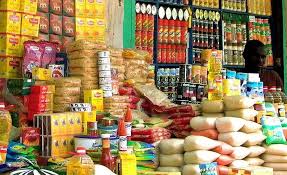
The scope of the ban is vast, affecting every aspect of consumers’ daily lives. The list of banned food items includes chocolate, biscuits, processed juices, jams, and ketchup. While the government has exempted infant formula and powdered milk for public health reasons, other dairy products are restricted. Surprisingly, basic staples like Egyptian beans (fava) and rice are included in the ban, highlighting the country’s desperate struggle to achieve food self-sufficiency.
Beyond food, the “luxury” designation extends to personal care products and household goods. The importation of body lotions, perfumes, and basic hygiene items like laundry and bath soap has been prohibited. The construction and manufacturing sectors are also impacted, with the list including cement, zinc sheets, and various plastic products. Furthermore, furniture, toys, artificial flowers, and wigs are expected to disappear from the market.
The Transitional Council stated that the primary goal of the decision is to “manage the use of foreign currency with austerity” and “support the national economy by reducing currency wasted on non-essential expenditures.” By cutting off the dollars spent on these goods, the government aims to ease pressure on the pound and direct limited funds toward essential needs like fuel and medicine.
However, this move has sparked intense debate among economic analysts. Supporters of the policy argue it is a necessary protective measure to stimulate local production. One local economist remarked, “Sudan cannot afford to pour foreign currency into chocolate and perfume while the country’s industries remain stagnant.”
Conversely, critics warn that this decision could trigger unintended inflation. By banning construction materials like cement and daily necessities like soap, the government may cause severe supply shortages and price hikes in the domestic market. Additionally, experts point out that the policy’s major “loophole” is the ongoing war.
Many financial analysts argue that as long as the country remains in internal conflict, no import ban can stabilize the currency. They explain that the largest drain on foreign exchange is not “luxury goods,” but the continuous purchase of weaponry.
“The primary reason for the pound’s collapse is the war,” said one regional trade consultant. “Banning wigs and chocolate might provide temporary psychological relief, but sustainable economic stability is unthinkable without ending the war and returning to normal commercial activity.”