
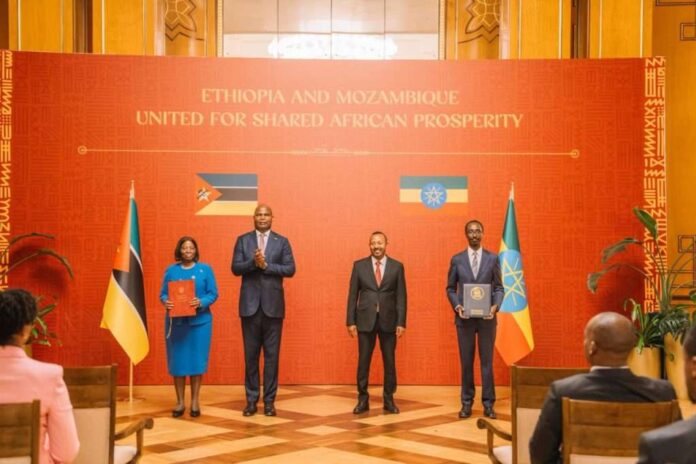
Ethiopia and Mozambique have officially entered into a strategic partnership to revolutionize their digital landscapes. On April 27, 2026, the two nations signed a Memorandum of Understanding (MoU) in Addis Ababa, focusing on the development of robust Digital Identity (Digital ID) systems and Public Digital Infrastructure (DPI).
This collaboration involves Mozambique’s Digital Transformation and Innovation Agency (ATDI) and Ethiopia’s FaydaVerse Digital Solutions Enterprise, a public entity dedicated to exporting Ethiopia’s successful digital identity expertise.
The agreement establishes a comprehensive framework for technical cooperation aimed at building secure, inclusive, and interoperable digital ecosystems.
According to Adilson Gomes, Chairman of the Board of Mozambique’s ATDI, digital identity serves as the backbone for modern governance, facilitating financial inclusion and ensuring that citizens can access vital public services remotely.
By adopting open standards and prioritizing data protection, the partnership seeks to create a digital environment where citizens can verify their identity for state or private services without the need for physical travel, thereby streamlining bureaucracy and enhancing transparency.
Under the terms of the three-year agreement, which is eligible for extension, Ethiopia will provide specialized technical assistance to Mozambique.
This includes sharing architectural frameworks, training technical staff, and supporting the implementation of pilot projects for Public Digital Infrastructure. A key pillar of the MoU is the promotion of “technological sovereignty.”
This concept emphasizes that African states should manage their own digital systems autonomously, reducing long-term dependence on foreign vendors and ensuring that national data remains under sovereign control and sustainable management.
Beyond technical specifications, this partnership represents a deepening of Pan-African cooperation aligned with the African Union’s Agenda 2063. By fostering “South-South” cooperation, Ethiopia and Mozambique are setting a precedent for how African nations can exchange home-grown innovation to solve regional challenges.
To ensure the agreement moves from paper to practice, a Joint Working Group will be established to coordinate activities, mobilize resources, and integrate systems according to international best practices, ultimately contributing to a more integrated and competitive digital economy across the continent.