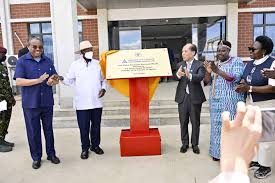
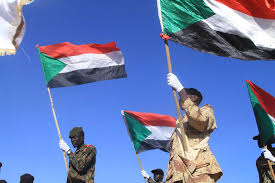
In a major political move aimed at resolving Sudan’s ongoing political crisis and returning the country to a path of peace, a significant conference was held in the city of Port Sudan. The gathering, which included more than 20 political organizations, civil society groups, and armed movements, concluded with the official signing of the statute for a new coalition known as the “Democratic Bloc.”
This historic event took place last Sunday, with the signing ceremony attended by high-ranking officials including Malik Agar, Deputy Chairman of the Sudan Sovereignty Council, as well as the ambassadors of Russia, Saudi Arabia, and Egypt serving as observers.
Jaafar El Mirghani, head of the Democratic Bloc, emphasized in his closing address that the new alliance is fully prepared for national dialogue. He stated that the coalition is committed to establishing a government that ensures the safety of citizens, respects the rule of law, and conducts free elections.
El Mirghani further asserted that Sudan’s future government must be one where institutions are stronger than individuals or specific regimes, featuring a fair judiciary, a police force that serves the public, and hospitals that provide medical care without discrimination. He particularly stressed that the national army must remain politically neutral while fulfilling its duty to protect the country’s sovereignty and democracy.
Supporting this vision, Malik Agar, Deputy Chairman of the Sovereignty Council, spoke firmly on the futility of war as a means to achieve political goals. He noted that forty years of conflict have brought nothing but destruction and argued that politics is the only viable way to resolve the nation’s problems.
Agar extended an invitation not only to those currently within the coalition but to all parties interested in forming a broad national consensus to join the movement. He urged the government and supporting forces not to be satisfied with only the current attendees but to strive for a truly inclusive base.
Minni Arko Minawi, the Governor of the Darfur region, highlighted that the Port Sudan meeting established three urgent priorities that cannot be delayed. These include building the coalition’s organizational structures, creating a unified political discourse, and opening doors to all national forces.
Minawi stated that the Democratic Bloc is not merely a transient political framework; rather, it aims to become an effective force that leads the struggle for peace and imposes a new reality based on genuine national consensus rather than exclusion or division.
The signing ceremony saw the participation of numerous prominent Sudanese politicians and military leaders. Among the signatories were Jaafar El Mirghani of the Democratic Unionist Party, Jibril Ibrahim of the Justice and Equality Movement, Minni Arko Minawi of the Sudan Liberation Army (SLA), and Nazir Mohamed Ahmed El Amin Turk of the Supreme Council of Beja Glasses.
Additionally, representatives from civil society organizations, advocates for internally displaced persons (IDPs) and refugees, and women’s rights groups formally endorsed the document. While this new coalition carries the hopes of many for ending months of civil conflict, its success will depend on how it navigates the practical challenges ahead in restoring Sudan’s national unity.