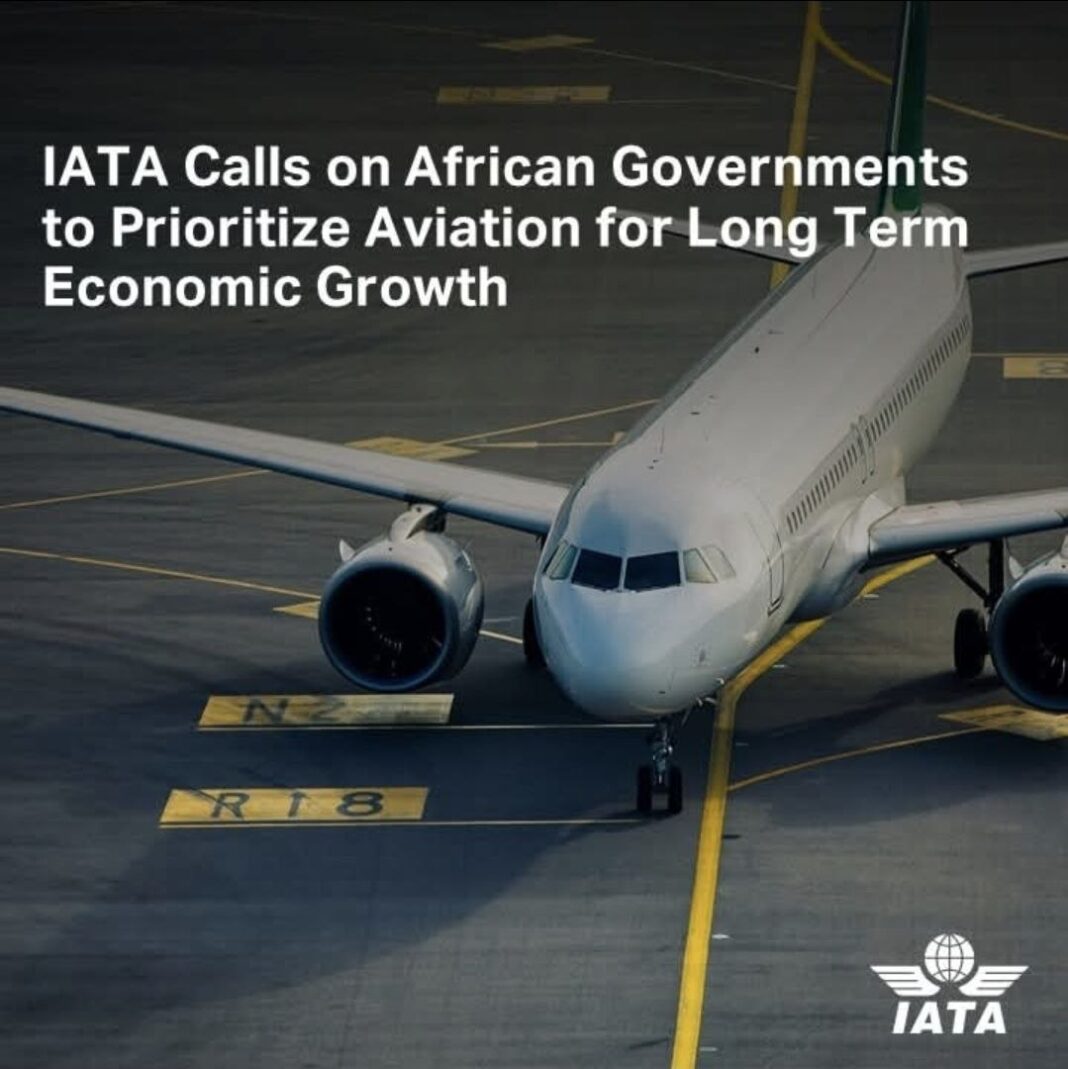

Ethiopia’s passenger air travel demand is set to triple over the next two decades, positioning aviation as a primary driver of the nation’s future economic growth, according to the International Air Transport Association (IATA).
Aviation currently contributes USD 2 billion to Ethiopia’s GDP and supports more than 500,000 jobs. With 60% of the Ethiopian population under the age of 25, IATA regional leader Kamil Alawadhi noted that the sector offers a powerful opportunity to translate travel demand into long-term jobs and economic development.
To capitalize on this growth, IATA highlighted three critical priorities for the Ethiopian government. First, as development on the new Bishoftu airport progresses, IATA emphasized the need for cost-efficient planning and close collaboration with airlines to ensure the facility can handle the rapid increase in passenger and cargo traffic. Second, continued investment in training institutions—such as the Ethiopian Aviation University—is essential to build a pipeline of skilled pilots, engineers, and ground crew to meet the industry’s needs for the next 20 years. Finally, IATA urged the government to leverage its potential in global carbon markets by issuing Letters of Authorization for its 16.1 million CORSIA-eligible emissions units (EEUs), which could unlock sustainable climate finance and align national growth with the industry’s goal of net-zero emissions by 2050.
These strategic goals are currently under discussion at the IATA Focus Africa Conference in Addis Ababa, where industry leaders are mapping out steps to optimize aviation’s contribution to the continent’s economy.