Djibouti and Chinese energy giant PetroChina International are exploring plans to establish a new oil refinery and a 300,000-cubic-metre petroleum storage depot at the Damerjog Industrial Park, as the Horn of Africa country seeks to strengthen its position as a regional energy and petroleum distribution hub.
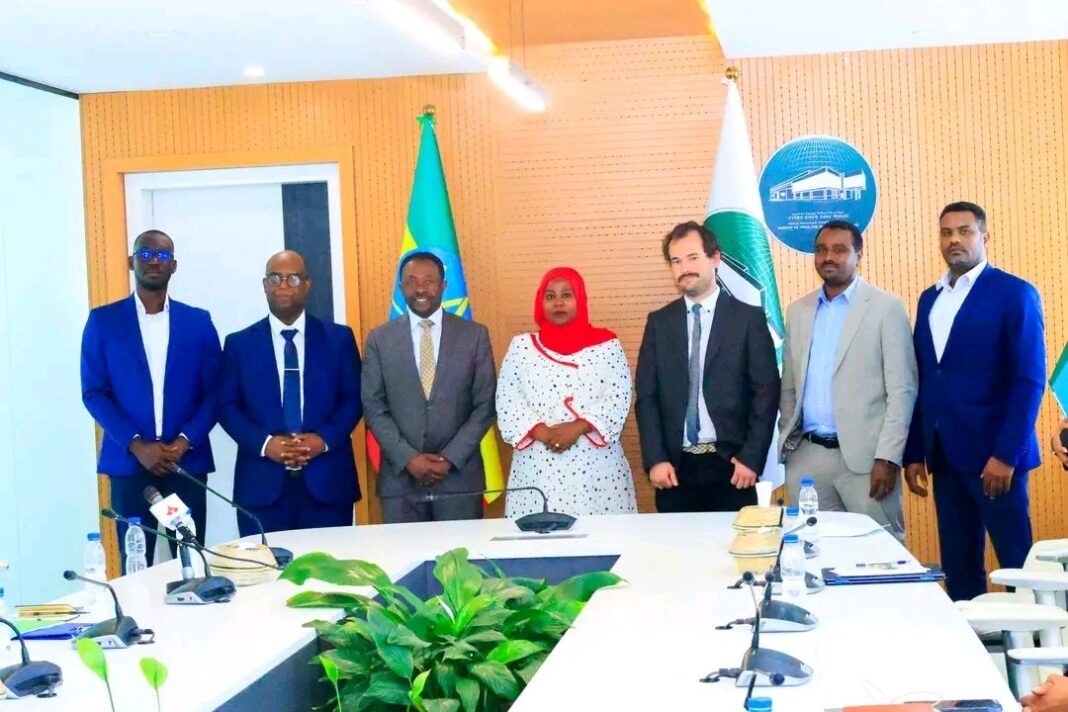
The proposals were discussed during a meeting between the Chairman of the Djibouti Ports and Free Zones Authority and a high-level PetroChina International (Middle East) Company Limited delegation led by Deputy General Manager Hu Weiqiang at the Red Sea World Centre.
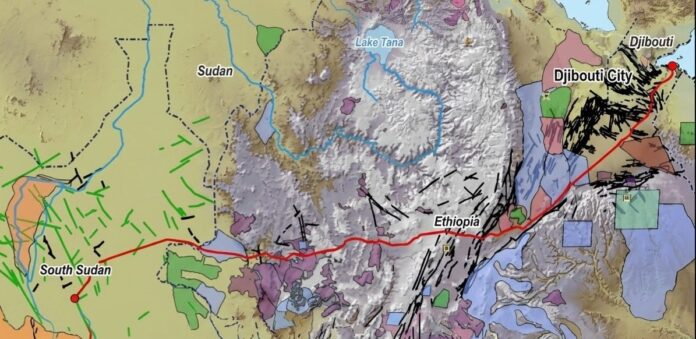
The discussions also covered the development of a regional oil transportation corridor linking South Sudan to Djibouti through Ethiopia, potentially opening an alternative export route for South Sudanese crude oil while expanding Djibouti’s role in regional energy infrastructure.
The proposed refinery and storage facility form part of Djibouti’s broader ambition to transform Damerjog into an integrated industrial and energy complex serving the Horn of Africa. The industrial park, strategically located along the maritime corridor connecting Djibouti with Ethiopia, is being developed to accommodate petroleum storage, refining, petrochemical and other industrial activities.
The latest discussions come as Djibouti, Ethiopia and Nigeria’s Dangote Group advance a $660 million refined petroleum pipeline project connecting Damerjog with Dewele in eastern Ethiopia. Groundbreaking for the project took place in September 2026. The planned infrastructure includes a 375,000-cubic-metre storage terminal in Damerjog and an 800,000-cubic-metre facility at Dewele.
Scheduled for completion within 18 months, the pipeline is expected to reduce Ethiopia’s dependence on road-based fuel transportation, improve supply security and strengthen Djibouti’s position as Ethiopia’s principal maritime gateway for petroleum imports.
Damerjog has also been identified as a potential location for additional refining capacity, including a previously announced floating refinery initiative intended to support the production of lower-sulphur marine fuels.
PetroChina’s involvement could bring significant international trading and investment experience to the proposed developments. Established in 2002, PetroChina International (Middle East) is a wholly owned subsidiary of PetroChina, whose parent company is China National Petroleum Corporation (CNPC).
The company operates across the Middle East, the Red Sea region and East Africa, with a presence in more than 20 countries. It trades over 140 grades of crude oil and reports annual trading volumes of approximately 500 million tonnes and sales revenue of around $140 billion.
The discussions also carry strategic significance because of CNPC’s existing interests in South Sudan’s petroleum industry. The Chinese state-owned company holds a 41 percent stake in Dar Petroleum Operating Company, which operates major oil assets in the country.
South Sudan has faced serious challenges exporting crude through Sudan following disruptions to pipeline operations caused by conflict in its northern neighbour. The situation has increased the country’s interest in alternative export routes.
In September 2024, South Sudanese President Salva Kiir met CNPC Chairman Dai Houliang in China to discuss a proposed pipeline through Ethiopia to Djibouti, intended to provide an alternative export corridor for oil produced from Blocks 3 and 7.
The route discussed in the latest meeting reportedly covers approximately 1,550 kilometres, reaching elevations of up to 2,400 metres and connecting South Sudan’s oil-producing areas with Djibouti’s maritime infrastructure.
The proposed corridor would enable South Sudan to transport its Dar Blend and Nile Blend crude through Ethiopia to the Damerjog Liquid Bulk Port for access to international markets.