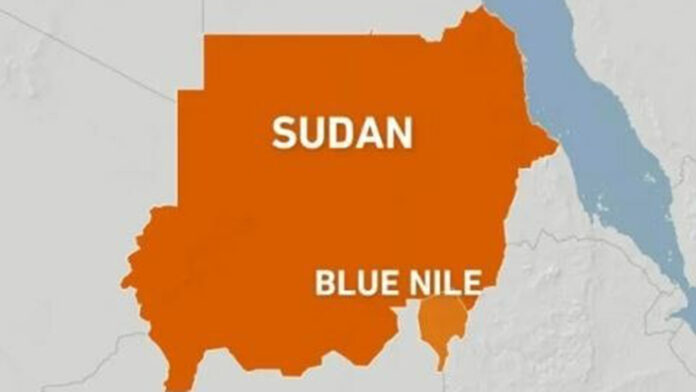
The healthcare system in Sudan’s Blue Nile State has collapsed under the weight of ongoing war and displacement, with health authorities confirming that nearly all medical facilities across the region have ceased operating, leaving hundreds of thousands of residents and displaced people without access to essential care.
The region’s director-general of health said that all health service facilities across Blue Nile had stopped functioning, with the exception of those in the Agedi area. The shutdown has undermined the authorities’ ability to sustain healthcare provision and disrupted the delivery of specialist services by Ministry of Health personnel.
“The healthcare and medical infrastructure has been severely affected by attacks and destruction, beginning in the al-Tadamon area, while health facilities in the Kurmuk and Geissan areas have also been forced out of service,” he said.
Dr. Mustafa Jabrallah, director-general of the Blue Nile Ministry of Health, explained that the ministry had worked to rehabilitate and reopen hospitals in Kurmuk, Geissan and Wad Al-Mahi, but the effects of the conflict had subsequently forced them out of service again. He said the health sector continued to face funding shortfalls and shortages of medical supplies, undermining the continuity of healthcare services and the provision of essential medicines.
At Damazin Teaching Hospital, which serves residents across all seven localities of the region, the pressure is mounting as growing numbers of patients and displaced people arrive from areas affected by fighting and from other Sudanese states. Dr. Jihad Abdelghani, a general practitioner at the hospital, said war-related displacement had significantly affected healthcare services, noting that the facility continued to operate at full capacity despite the surge in patients.
“The growing patient load has led to shortages of some medicines, particularly malaria drugs, which are sometimes unavailable in the emergency department,” she said. “Patients are consequently forced to buy them from outside pharmacies at inflated prices.”
She said a single dose of artesunate cost between 18,000 and 20,000 Sudanese pounds, placing an additional financial burden on patients. Dr. Abdelghani stressed the need to increase the region’s allocation of medical supplies to meet rising demand and warned that difficulties travelling from rural areas to hospitals in urban centres, coupled with security risks along the roads, could put patients’ lives at risk, particularly pregnant women, children and older people.
One patient, who said he had contracted dengue fever more than three times, described the difficulties he faced in obtaining treatment. He noted that medical tests often revealed other illnesses alongside dengue fever, including malaria, typhoid and infections.
“I have struggled considerably to obtain medication,” he lamented. “Even Panadol IV fluid has become extremely expensive and is not available at every pharmacy. Artesunate treatment is also not covered by health insurance.”
The crisis extends into displacement shelters, where residents grapple with a lack of basic services. At Al-Karama 3 camp in Damazin, Bakri Khalifa, a member of the camp’s displaced people’s committee, said the site lacked toilets and health centres, as well as mobile clinics that could provide medical services to residents.
“The lack of toilets and washing facilities has forced displaced people to relieve themselves in the open, further worsening public health risks during rainfall,” he stated.
Dr. Jabrallah also reported cases of viral hepatitis, saying they had been addressed, and added that children were among those most vulnerable to malnutrition given the harsh humanitarian conditions facing displaced people in shelters.
With medicines increasingly scarce and unaffordable, health facilities out of service and basic services absent from displacement camps, the healthcare crisis in Blue Nile continues to deepen, underscoring the urgent need to increase funding and medical supplies, restore non-operational health facilities and improve sanitary conditions in hospitals and displacement shelters.