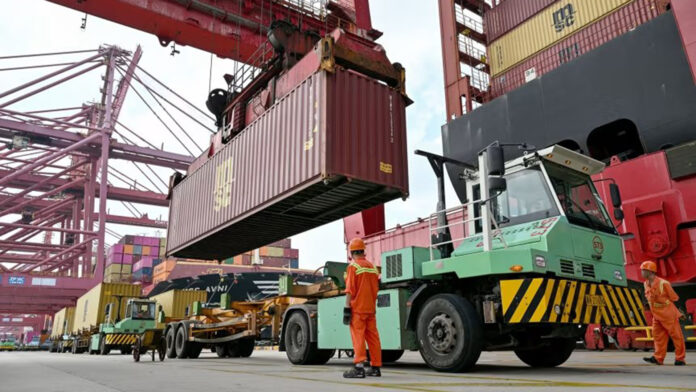
As the devastating civil conflict continues to cripple central and western Sudan, the army-backed government is launching an ambitious campaign to attract foreign investment. The primary objective is to modernize the nation’s critical Red Sea terminals and establish a major regional logistics hub, a move officials hope will bolster state revenues and secure vital economic lifelines.
The urgent push to upgrade maritime and port infrastructure was a central theme at an international maritime forum held in Port Sudan on Sunday. With the ongoing war severely disrupting traditional economic activities across large swathes of the country since April 2023, Port Sudan has transformed from a regional port into the nation’s primary commercial lifeline and de facto administrative base.
Speaking at the opening of the forum, Ibrahim Jaber, a member of Sudan’s Transitional Sovereign Council, urged international delegates and investors to help formulate a strategic roadmap. Jaber emphasized the critical need to overhaul existing terminals, establish new trade zones, and draw much-needed international capital to sustain the wartime economy.
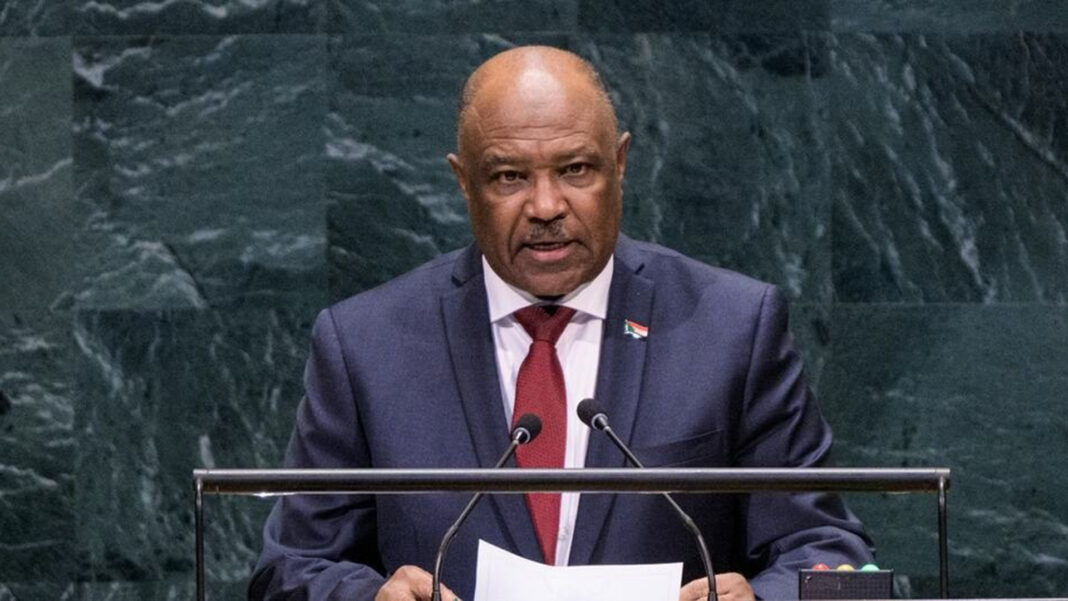
Elaborating on the government’s economic vision, Sudan’s Infrastructure and Transport Minister, Saif Al-Nasr Al-Tijani Haroun, outlined a comprehensive four-pillar recovery strategy. According to Haroun, the government’s blueprint focuses heavily on modernizing berth infrastructure, adopting green port standards to align with international eco-friendly maritime policies, accelerating digital automation to boost operational efficiency, and expanding public-private partnerships with global entities.
Haroun highlighted Sudan’s strategic geographic advantage, noting that the country boasts an 800-kilometer coastline running alongside major global maritime shipping channels. This positioning grants Port Sudan a distinct competitive edge, allowing it to function as a premier export-import gateway not just for domestic markets, but also for regional landlocked economies such as Chad, South Sudan, and the Central African Republic, all of which heavily rely on Sudan’s coastal corridors for cross-border transit and critical supply lines.
Adding to the government’s appeal, Gailani Mohamed Gailani, Director-General of the Sea Ports Corporation, announced that the maritime authority is rolling out attractive regulatory incentives for both domestic and foreign investors. These incentives are specifically tailored to encourage the construction of new maritime facilities, expand container-handling capacities, and develop expansive surrounding free-trade zones designed to stimulate regional commerce.
Despite the optimism projected by senior officials at the maritime conference, the challenges facing Sudan remain immense. The civil conflict, which erupted in April 2023, has devastated the nation’s infrastructure, displaced millions, and fractured its internal supply chains.