
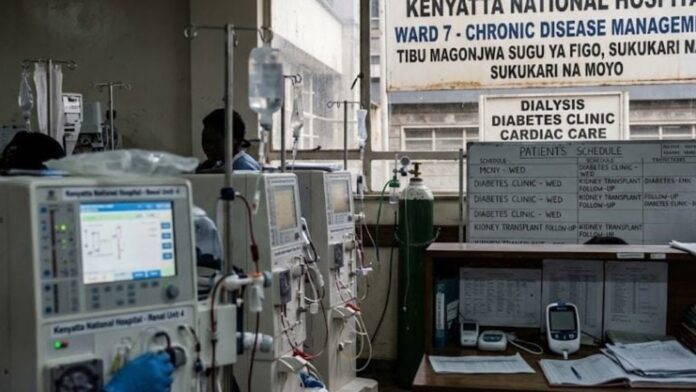
Kenya is currently confronting a profound public health transition, wrestling with a rapidly escalating burden of noncommunicable diseases (NCDs) even as longstanding infectious threats continue to demand significant resources. According to recent health data and warnings from the World Health Organization (WHO), conditions such as heart disease, diabetes, and chronic kidney disease are placing unprecedented strain on individuals, families, and the national healthcare infrastructure.
This shifting epidemiological landscape mirrors a wider global transformation. Data released by the WHO indicates that eight out of the ten leading causes of death worldwide in 2023 were attributable to noncommunicable diseases. Collectively, these chronic conditions accounted for 47 percent of all deaths globally, with cardiovascular diseases—specifically heart disease and stroke—remaining the foremost killers.
In Kenya, the Ministry of Health estimates that NCDs represent a substantial and growing share of overall mortality. Cardiovascular complications, cancers, diabetes, and chronic respiratory ailments have steadily moved to the forefront of the national health agenda.
Globally, ischaemic heart disease alone caused approximately 9.5 million deaths in 2023, while stroke accounted for another 6.8 million. The WHO attributes these cardiovascular surges to a complex web of risk factors, including high blood pressure, physical inactivity, tobacco use, harmful alcohol consumption, and poor dietary habits. In Kenya and across the wider East African Community, these drivers are magnified by the heavy financial and logistical pressure of managing long-term hospitalizations, continuous treatments, and severe medical complications.
Diabetes has compounded this crisis. WHO estimates show that diabetes caused roughly 2 million deaths globally in 2023—more than double the figures recorded in 2000. This rise is especially pronounced in lower-middle-income countries, where diabetes climbed from the 15th leading cause of death in 2000 to 5th by 2023. Because unmanaged diabetes systematically damages the heart, blood vessels, eyes, and kidneys, it frequently acts as a gateway to other chronic conditions.
Kidney disease has similarly emerged as a critical public health emergency. Global mortality data reveals that kidney ailments jumped from the 17th leading cause of death in 2000 to 9th in 2023, marking an 86 percent increase in deaths over that timeframe.
Locally, the crisis is stark. Kenya’s Ministry of Health reported that approximately 3.1 million Kenyans were living with chronic kidney disease. The intersection of diabetes and kidney disease creates a vicious cycle of prolonged medical intervention, emphasizing an urgent need for early public screening and expanded access to primary care.
Experts emphasize that addressing this complex health transition requires robust data collection. Reliable mortality metrics are vital for governments to accurately track health risks, allocate scarce resources, and measure the effectiveness of interventions. However, incomplete death-registration systems across parts of East Africa still hinder precise tracking.
Ultimately, the evolving health profile of Kenya is not defined by the disappearance of traditional threats, but rather by an increasingly complicated landscape. While infectious diseases like malaria, tuberculosis, and HIV remain major public health priorities, chronic conditions like heart disease, cancer, diabetes, and kidney failure demand an equally aggressive and modernized response.


