
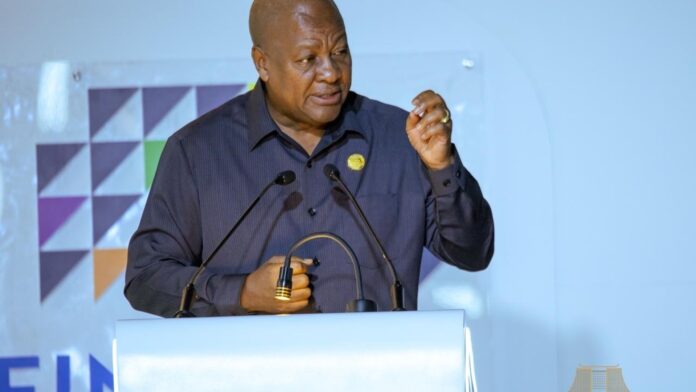
President John Dramani Mahama has made a passionate call to African governments to completely rethink how they view and finance healthcare. Moving away from traditional perspectives, he urged leaders to treat healthcare systems as high-yield strategic investments rather than routine, burdensome line-item budget expenses. According to the President, building robust health infrastructure generates immense economic and social returns while safeguarding vital national resources.
Speaking on the economic viability of health interventions, President Mahama emphasized that empirical evidence from across the African continent and beyond clearly demonstrates that capital channeled into health delivers substantial macroeconomic benefits. By heavily curbing preventable mortality rates and actively enhancing workforce productivity, nations can unlock unprecedented economic potential.
Highlighting concrete figures to back his stance, the President noted that targeted packages focusing on basic emergency maternal and newborn care can yield up to $87 in broader economic and social returns for every single dollar invested. Furthermore, he referenced findings from the Lancet Commission, which established that falling mortality rates were responsible for nearly a quarter of total income growth experienced in developing economies during the early 2000s.
This economic argument for prioritizing healthcare investment has taken on urgent significance. Traditional donor assistance flowing into Africa is steadily declining, forcing African governments and domestic investors to take primary responsibility for mobilizing internal resources. Rather than draining state coffers, strategic funding in health bolsters national balance sheets.
President Mahama challenged policymakers to shift their approach entirely: “So let us stop treating health as a line-item expense in our budgets. Let us build factories, integrate supply chains, fund innovators, and secure our citizens’ future.” Placing health at the core of Africa’s overarching development strategy, he argued, is vital for fostering resilient economies and securing a prosperous future for the continent.

