The United States has agreed to grant the United Nations an additional year to phase out its logistical support for African peacekeepers in Somalia. While the decision offers temporary relief to a mission that feared abrupt and immediate funding cuts, regional experts warn that the long-term future of security and stability in the region remains heavily imperiled.
According to a diplomatic document reviewed by Reuters, Washington is prepared to support a 12-month drawdown period, which will be followed immediately by the liquidation of the UN Support Office in Somalia (UNSOS). The newly established 12-month countdown is scheduled to officially commence in January. Without this negotiated grace period, crucial funding and logistical operations could have abruptly ceased at the end of December, coinciding with the expiration of the current UN office mandate.
The diplomatic shift follows mounting friction between Washington and the fragile federal administration in Mogadishu. In July, Reuters reported that the US intended to block the UN from supporting the African Union force, which serves as a critical backbone for the government’s ongoing fight against Al-Qaeda-linked militants, specifically the Al-Shabab extremist group.
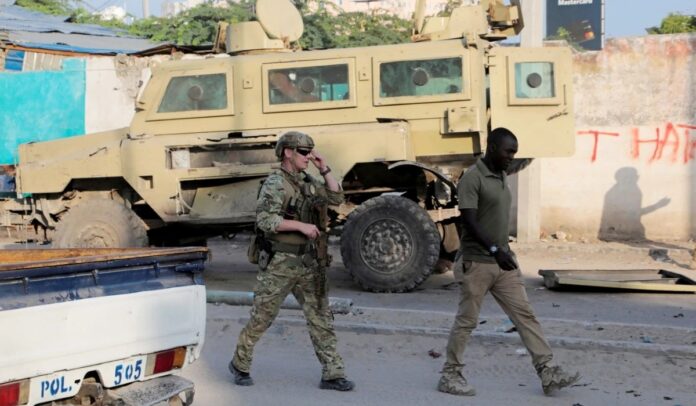
The African Union Support and Stabilization Mission in Somalia (AUSSOM) relies heavily on UNSOS for essential, everyday survival logistics. These include vital provisions such as food, water, fuel, medical services, and secure troop transport. The total budget for the UN office hovers around $500 million, making its eventual shutdown a monumental operational hurdle for the mission.
A spokesperson for the US State Department stated that Washington would no longer fund or finance the UN office in Somalia moving forward. “We would expect any drawdown processes and timelines to be discussed during UN Security Council deliberations in December,” the spokesperson noted.
While the 12-month extension buys Somalia and its international partners valuable time to seek alternative financial backers and logistical arrangements, analysts caution that it does not resolve the underlying existential threat facing the peacekeeping force.
Financing for the AU mission has grown increasingly precarious over recent years, plagued by persistent funding shortfalls. Last year, Washington notably blocked a proposed transition model that would have seen regular UN assessed contributions cover three-quarters of the peacekeeping mission’s estimated $190 million annual budget.
Scholars and regional security experts have sounded alarms regarding the potential vacuum that would follow a complete withdrawal of UN support. Afyare Elmi, a professor at the City University of Mogadishu, emphasized that the peacekeeping apparatus remains a cornerstone of the nation’s fragile institutional structure. “Without it, the country would face a real risk of state fragmentation and disintegration,” Elmi warned.
Similarly, regional security analyst Samira Gaid suggested that a total shutdown of UNSOS could spell the ultimate end for AUSSOM. “The AU either needs to find alternative logistics arrangements or to draw down and exit,” Gaid explained.
Somalia has struggled with persistent chaos, civil war, and internal conflict for over three decades, dating back to the fall of Mohammed Siad Barre’s regime in 1991. Although joint military efforts by regional forces previously pushed extremists out of the capital, Al-Shabab militants have continued to consolidate control across vast stretches of the Somali countryside.