In a significant milestone for international climate policy, Kenya has made history by becoming the first African country, and only the second globally, to secure technical assistance through the Santiago Network on Loss and Damage.
This achievement underscores Kenya’s growing leadership in climate diplomacy and its commitment to proactive climate action.
The secured technical assistance package is valued at approximately $700,000 (about 90 million Kenya Shillings). This funding will finance a comprehensive assessment aimed at deeply analyzing the economic and non-economic losses and damages experienced across various sectors in Kenya over the past decade.
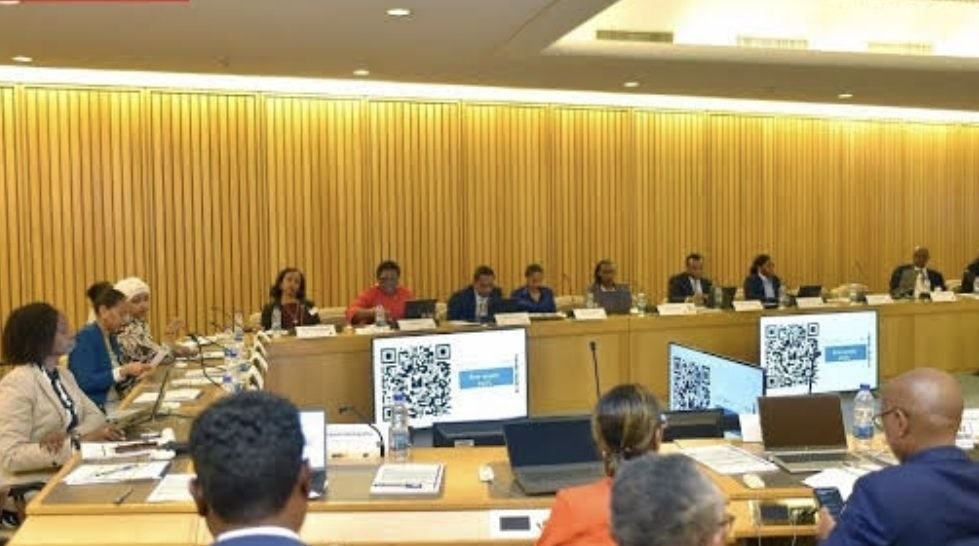
The historic award was announced on the sidelines of the UNFCCC (United Nations Framework Convention on Climate Change) Subsidiary Bodies (SB6-4) climate meetings in Bonn, Germany, by Dr. Festus Ng’eno, Principal Secretary for Environment and Climate Change.
Dr. Ng’eno described the development as a major milestone in advancing climate resilience and addressing the impacts of climate change. He added that the selection is a clear recognition of “Kenya’s leadership in climate action and its commitment to building resilience against the growing impacts of climate change.”
The official decision was formally communicated to the Kenyan delegation inside the UN conference center in Bonn by Liz Carabine of the Santiago Network. Kenya had indicated in its bid that this assessment would strengthen the country’s capability to accurately quantify climate-related losses. This data will, in turn, better position Kenya to unlock and access future international financial support for resilience and recovery initiatives.
Baboucarr Nyang, Coordinator of the Climate Action Network, described the funding as “proof that when the architecture of climate finance works as intended, it can deliver for Africa, and now it must deliver faster and for all.”
The Santiago Network was established under the UNFCCC in 2019 to provide technical assistance to developing countries that are particularly vulnerable to climate change. It connects frontline nations with experts, institutions, and technical organizations to help them assess and respond to climate-driven losses. The network’s role has become increasingly vital following the operationalization of the Loss and Damage Fund at COP28 in Dubai in 2023, as countries must present robust, evidence-based data to back their future financial claims.
Amos Wemanya of Power Shift Africa noted, “For Africa, this is an important step from recognition of losses to addressing them.” He emphasized that “the next challenge is ensuring that evidence unlocks finance at the scale communities need.”
Fred Njehu, a Pan-African Political Strategist at Greenpeace Africa, also praised the move, stating that pioneering this documentation signifies positive progress. “Kenya is among African countries that continue to experience losses and damages—floods destroying critical infrastructure, communities getting displaced, cultures lost, and livelihoods disrupted. Kenya’s allocation points to shifting climate actions, from frameworks, roadmaps, and dialogues to actual implementation.”
While the quantum of funding is modest compared to the country’s total climate needs, this development marks a sweet diplomatic and political victory for President William Ruto. At COP28 in Dubai in 2023, President Ruto positioned Kenya at the forefront of Africa’s climate diplomacy, advocating for an African-led climate agenda centered on green industrialization, climate finance, and robust loss and damage mechanisms.
The President had previously mounted a strong bid for Kenya to host the Santiago Network’s secretariat in Nairobi. However, the decision ultimately went to Geneva, Switzerland, causing widespread disappointment among Kenyan and African negotiators at the time.
African representatives argued that hosting the secretariat on the continent would have strengthened the representation of the countries most impacted by climate change. This breakthrough funding serves as a meaningful consolation and validation of Kenya’s persistent efforts.
The funds will be utilized to examine both economic and non-economic losses and damages across multiple sectors in Kenya between 2015 and 2025. Furthermore, the project will develop projections for potential climate-related losses through 2035.
The assessment process is expected to broadly engage government agencies, technical experts, local communities, and other key stakeholders.
By establishing a reliable, quantified evidence base of climate impacts, the Kenyan government will be better equipped to identify the most vulnerable regions, streamline recovery planning, and present highly credible, data-backed proposals to international climate funds and development partners.