Kenya and Ethiopia are actively strengthening their economic ties, targeting tourism, trade, energy, manufacturing, and cross-border infrastructure as vital pillars for mutual growth. The renewed momentum aims to unlock unprecedented investment opportunities, allowing both nations to fully capitalize on the expansive framework of the African Continental Free Trade Area (AfCFTA).
The reinforced economic strategy was spotlighted during the “Promote Ethiopia” event held in Nairobi. Organized by the Ethiopian Embassy, the campaign serves as a strategic marketing drive to position Ethiopia as both a premier tourism destination and a lucrative investment hub.
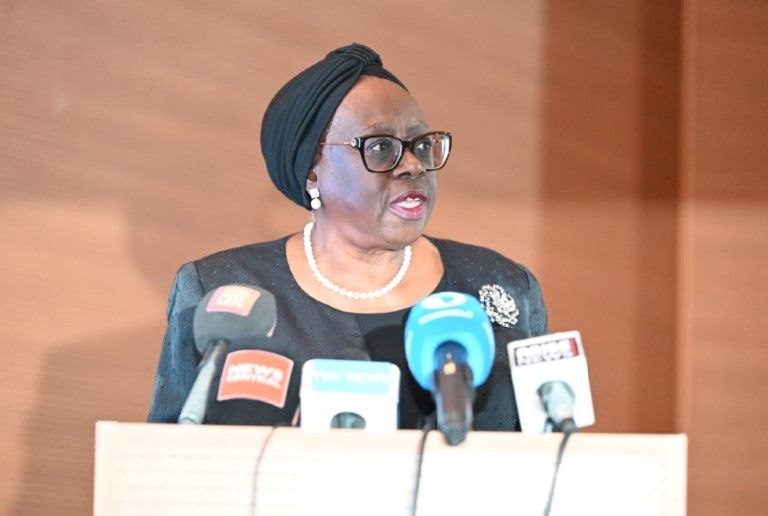
Ethiopia’s Ambassador to Kenya, General Bacha Debele, addressed the business community, emphasizing that the country is shedding past perceptions to showcase a modern, reform-driven economy. According to Debele, tourism stands as one of the five foundational pillars of Ethiopia’s Homegrown Economic Reform program.
“We are here to showcase the New Ethiopia, a country that is boldly redefining its tourism landscape,” Ambassador Debele stated. He highlighted that Prime Minister Abiy Ahmed’s flagship “Dine for the Nation” and “Dine for Generation” initiatives have driven significant hospitality developments. World-class eco-resorts and conference centers—including the Gorgora Eco Resort, Wenchi-Dendi, and the Arbaminch Conference Resort—have been successfully established to extend visitor stays and elevate Ethiopia’s competitive edge in African tourism.
Beyond hospitality, the trade corridor between the two neighbors continues to mature. Current bilateral trade is valued at approximately $200 million (Sh25.9 billion), propelled by major advancements in regional integration and physical connectivity.
Kenya primarily exports manufactured items, chemicals, pharmaceuticals, fertilizers, and packaging materials to Ethiopia. In return, Ethiopia supplies essential commodities including soybeans, dried legumes, glass bottles, and crucially, reliable hydroelectric power to help offset Kenya’s rising energy demands.
Infrastructure milestones have dramatically eased cross-border friction. The operationalization of the Moyale One-Stop Border Post has significantly slashed customs clearance times along the strategic Nairobi-Addis Ababa highway. Furthermore, the progression of the Lamu Port-South Sudan-Ethiopia Transport (LAPSSET) Corridor is anticipated to further streamline regional logistics and amplify trade volume.
Corporate investment is increasingly reflecting this governmental cooperation. Telecommunications giant Safaricom’s entry into Ethiopia remains a historic benchmark for private-sector expansion by a Kenyan firm. Building on this momentum, GulfCap Group Chairman Suleiman Shahbal noted that the company is actively investigating opportunities within Ethiopia’s gradually liberalizing banking sector.
“Ethiopia is opening up. We have seen Kenyan businesses make entry into the country and also Ethiopians inquiring about the Kenyan market. We are exploring going into the banking industry,” Shahbal remarked.
The investment corridor is proving to be a two-way street. Noted Ethiopian hospitality entrepreneur Tadiwos Belete, founder of Kuriftu Resorts & Spa, announced plans to partner with Kenyan investors to develop a massive water park in Mombasa. Slated for completion in 2027, the facility is designed to rank among the largest water parks in Eastern Africa. Belete championed intra-African tourism as a catalyst for broader economic integration, urging travelers to explore continental destinations.