Sudanese authorities have announced a series of stringent new measures aimed at regulating the traditional gold mining sector, curbing gold and drug smuggling, and mitigating the devastating impacts of unregulated mining operations.
Currently, traditional gold prospecting activities using highly toxic chemicals—specifically thiourea and cyanide—are rapidly expanding across several Sudanese states, posing a severe threat to human health and environmental safety. The gravity of this chemical contamination was recently highlighted when more than 20 sheep died simultaneously after drinking from fermentation basins used for gold extraction, intensifying local outrage and concern.
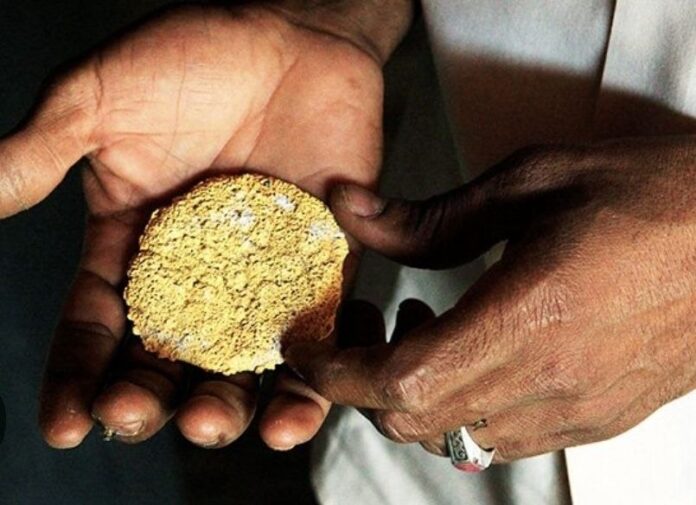
According to data released by the Ministry of Minerals, approximately 80 percent of Sudan’s total gold output originates from this unorganized and illegal traditional sector, while the modern, regulated commercial sector accounts for just 20 percent. It is estimated that more than two million Sudanese are currently employed in this artisanal mining sector.
Sudanese Minister of Information and Culture, Khalid Aleisir, stated in a press briefing that Prime Minister Kamel Idris has ordered the immediate removal of all gold processing mills and basins located near residential neighborhoods and military zones. Furthermore, the Prime Minister directed that gold markets in high-production areas be urgently brought under a formal legal framework.
During a high-level meeting between the Prime Minister, cabinet ministers, and heads of security and police agencies, officials thoroughly debated the multifaceted challenges facing the sector. Consequently, the Ministry of Minerals has been tasked with publishing educational leaflets warning of the severe dangers of mining chemicals and deploying awareness teams directly to the fields. A key initiative includes issuing identification cards to artisanal miners to facilitate direct education on the health hazards associated with handling toxic materials.
Because Sudan’s traditional gold-mining hubs are characterized by high population densities, significant unregulated cash flows, and fragile security infrastructure, these open markets have rapidly evolved into fertile breeding grounds for illicit drug trafficking. This expanding narcotics trade is taking a devastating toll on the young mining workforce.
Minister Aleisir emphasized that the smuggling of narcotics through Sudanese territory is part of a multifaceted, covert war aimed at destroying the country’s youth. As a result, combating contraband trade and drug trafficking has been elevated to a top national security priority. The government has resolved to strengthen information-sharing mechanisms among state institutions and establish specialized addiction treatment centers to support affected youth.
A report published last March by the Sudan Transparency and Policy Tracker (STPT) noted that while Sudan previously served merely as a transit route for “Captagon” and other narcotics, it has increasingly emerged as a manufacturing hub following the outbreak of war in April 2023, citing the recent seizure of several illicit production laboratories.
The report further warned that Sudan’s strategic location on the Red Sea—coupled with a security vacuum and diminished state control across various regions due to the conflict—is facilitating the easy flow of these dangerous drugs into Gulf markets, making the situation uniquely critical.