A major healthcare crisis is brewing in Western Kenya following the decision by the United Kingdom and United States governments to terminate funding for programs targeting 21 Neglected Tropical Diseases (NTDs). The sudden withdrawal of this aid, which was previously channeled through the End Fund, has cast a shadow of uncertainty over the future of critical health interventions across several counties.
The most severely impacted regions include Trans Nzoia, Kakamega, Vihiga, and Bungoma. These areas have received approximately Ksh1 billion in donor support over the past four years. This funding has been vital in the fight against diseases that, while often ignored globally, remain widespread and debilitating within these local communities.
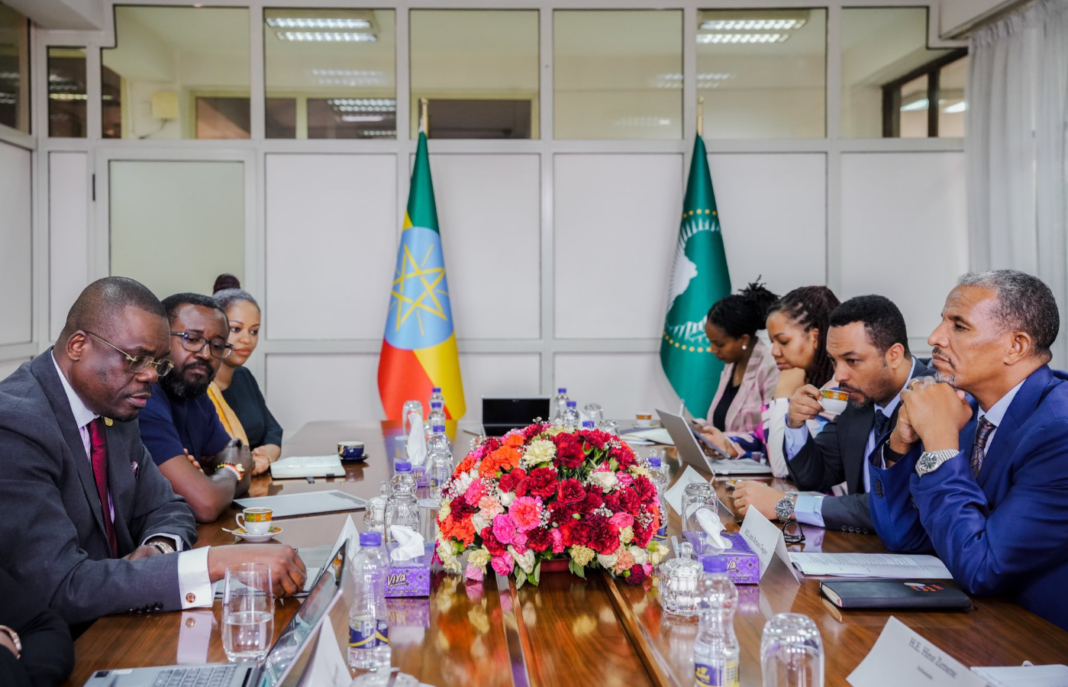
The freeze on financial support stems directly from the decision by the British and American governments to halt their aid. This move is expected to significantly hinder the work of implementing partners such as Amref Health Africa, the African Institute for Health and Development (AIHD), and WASH Alliance Kenya. These organizations have been working in close collaboration with the Ministry of Health and the National Public Health Institute to control and eliminate these diseases.
Irene Chami, the Head of Programmes at the End Fund, confirmed that the transition period is fast approaching. “Donor support for NTD programs will end next year,” Chami stated. She noted that having worked with counties and communities for the last five years, the focus must now shift to exploring how to mobilize local resources during this transition.
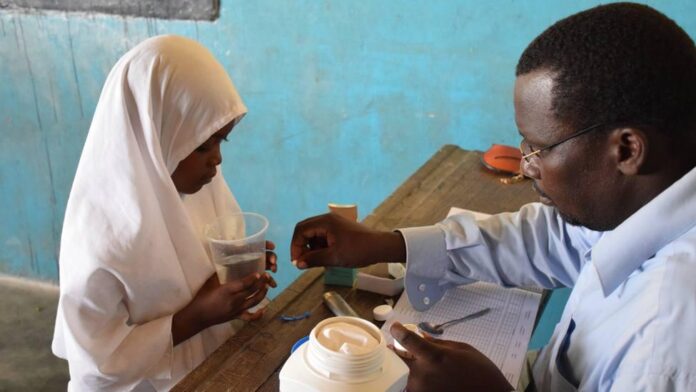
The timing of the funding withdrawal is particularly concerning because it comes amid significant health milestones. Data from Amref Health Africa shows that the prevalence of intestinal worms has dropped from 8% to 5%, while cases of Bilharzia have declined from 5% to approximately 1%.
Titus Waititu of the National Public Health Institute pointed out that Kenya has already successfully eliminated Guinea worm and sleeping sickness. He added that the country was on track to eliminate five more neglected tropical diseases; however, experts warn that without sustained domestic funding, these achievements could be reversed, leading to a resurgence of the illnesses.
In response to the funding cuts, health officials are pivoting toward a “sustainability model.” This new strategy aims to move away from treating these health services as standalone programs and instead seeks to integrate them into the existing Primary Healthcare (PHC) system.
“As part of sustainability, we are integrating services to ensure continuity beyond donor support,” Chami said, emphasizing that the focus will now be on strengthening health information systems and leadership within county governments.
The National Public Health Institute and Amref have issued an urgent call to county leaders to prioritize health budgets. Juma Chitiavi, a lead official at Amref, warned that the transition period is a moment of extreme vulnerability. He urged counties to allocate the necessary resources to maintain the progress made, warning that without local implementation, the risk of the diseases returning is a reality.