East Africa’s pursuit of economic integration is facing a high-stakes stress test as multibillion-dollar petroleum projects revive generations of regional rivalry. Despite more than 25 years of formal bloc cooperation, competitive statecraft—particularly between historical rivals Kenya and Tanzania—continues to dictate how energy infrastructure is planned, financed, and built.
The roots of this friction trace back decades, fueled by divergent post-independence economic models and a fierce race to serve as the premier commercial gateway to international markets. Landlocked neighbors rich in hydrocarbons have frequently found themselves caught in the middle of these corridors of influence.
The current cycle of tension mirrors the collapse of a landmark 2014 agreement between Kenya and Uganda. Initially, the two nations agreed to jointly construct a crude oil pipeline from Uganda’s newly discovered Lake Albert oilfields to a planned Indian Ocean port in Lamu, Kenya.
That arrangement unraveled within two years. Compounded by land compensation disputes, inflated security concerns, and Nairobi’s push for its northern transport corridor, the decisive blow came from corporate intervention.
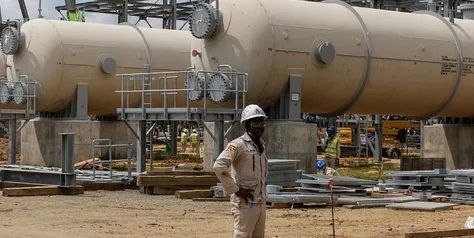
TotalEnergies, the French energy major developing Uganda’s fields, successfully lobbied for an alternative southern route bypassing Kenya entirely. Compounded by Kampala’s historical unease regarding heavy reliance on Kenyan transit routes, the deal shifted southward. The resulting East African Crude Oil Pipeline (EACOP) through Tanzania neared completion, positioning Uganda to pump its first oil.
The landscape shifted again when high-level discussions turned toward establishing a mega-refinery to process East Africa’s estimated 4.7 billion barrels of regional reserves. Nigerian billionaire Aliko Dangote proposed leading a massive refinery project mirroring his successful domestic model in Lagos.
Initially, announcements regarding the plant’s location sparked immediate diplomatic confusion. While Kenyan and Ugandan leadership signaled early support, regional sensitivities flared when Tanzanian President Samia Hassan noted a lack of direct consultation. Ultimately, commercial realities settled the matter: Dangote’s team selected Kenya’s deep-water port at Lamu, backed by a more liquid banking sector and ample land for heavy industrial development.
To secure the project, Kenya stepped up its diplomatic and financial maneuvering, pledging substantial seed capital and inviting neighboring states—including Ethiopia and Rwanda—to take equity stakes.
Rather than fostering regional solidarity, the response from competing capitals underscored lingering mistrust. Shortly after the Lamu site selection, Uganda and Tanzania countered by signing a memorandum of understanding with a commodity trading firm to construct a separate US$20 billion regional energy hub in Tanga, Tanzania. This facility features extensive storage, refining, and distribution capabilities. Uganda, hedging its bets, continues to pursue multiple avenues simultaneously—backing projects in both Kenya and Tanzania while attempting to secure its own domestic refining capacity.
Despite the underlying political maneuvering, the economic logic for regional refining remains undeniable. East Africa currently imports nearly all of its fuel, leaving domestic markets acutely vulnerable to external disruptions, such as shipping attacks and volatility in the Middle East. By linking a facility like the Lamu refinery to multi-country transport corridors, the region has an opportunity to secure long-term energy independence. Whether this potential is realized will depend less on engineering capabilities and more on whether East Africa can transcend its deep-seated political rivalries.