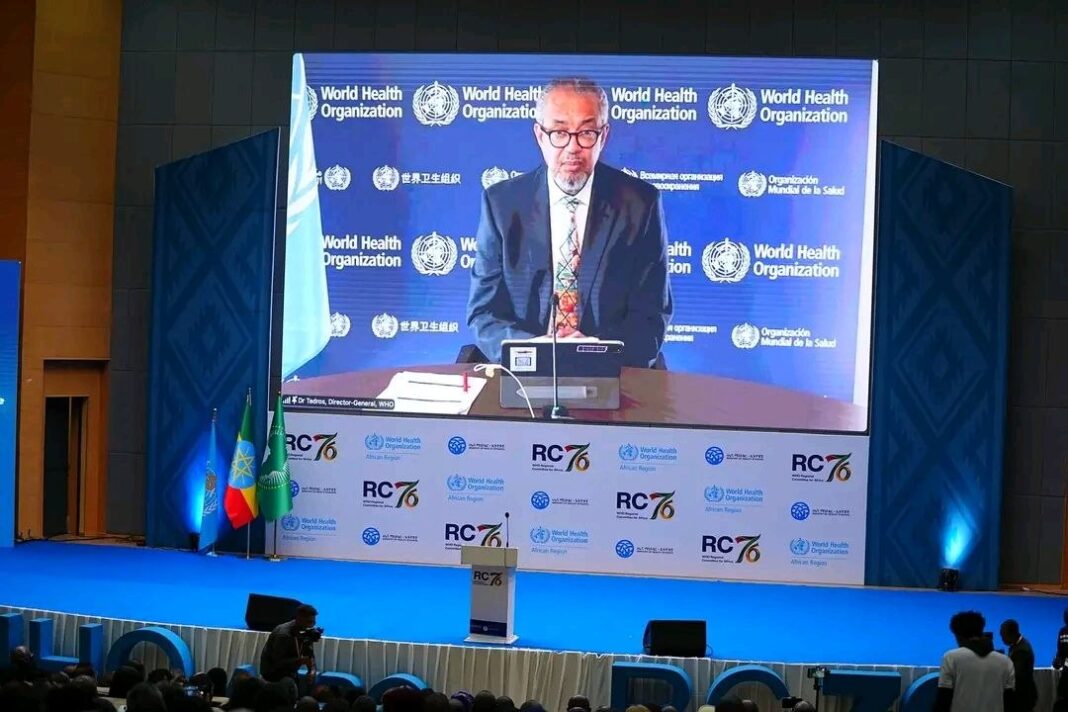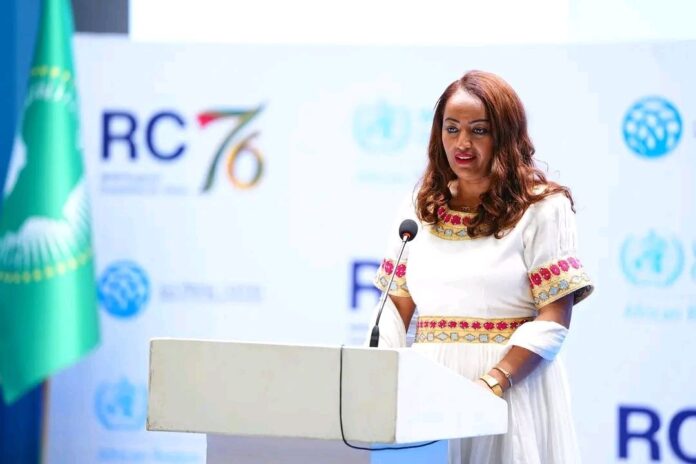
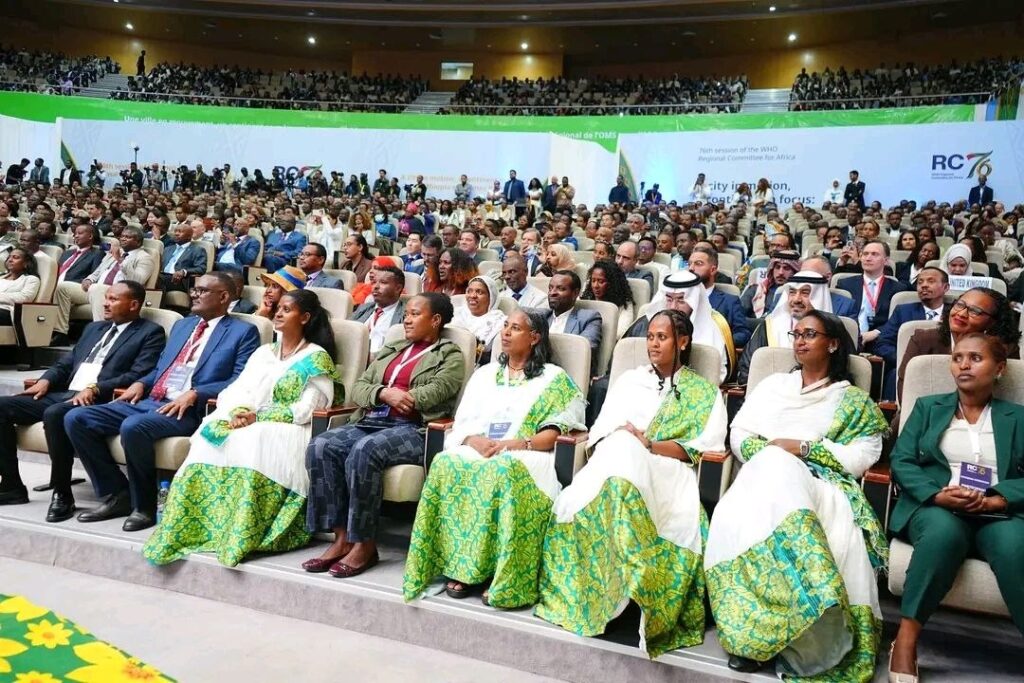
As health leaders, ministers, and international delegates converged in the Ethiopian capital for the 76th session of the World Health Organization (WHO) Regional Committee for Africa (RC76), discussions quickly moved beyond routine policy updates to confront a harsh, recurring reality: regional health security in Africa remains acutely vulnerable to cross-border emergencies. Against a backdrop of persistent disease outbreaks—ranging from recent regional cholera surges to ongoing hemorrhagic fever responses—high-level officials made a resounding call to move past symbolic unity and officially institutionalize strategic solidarity across African borders.
Opening addresses and ministerial panels underscored that contemporary health crises do not respect national boundaries. When outbreaks flare up in one country, neighboring nations face immediate, high-stakes threats. However, responses have historically been hampered by fragmented institutional frameworks, delayed resource sharing, and an over-reliance on external supply chains that can falter overnight. Leaders at the summit stressed that waiting for international aid or external emergency declarations is no longer a viable public health strategy. Instead, African nations must build an interconnected, self-reliant network of mutual defense and immediate operational support.
A central theme of the discussions was the imperative to establish real-time mechanisms for sharing critical expertise, laboratory capacities, and emergency medical supplies the moment a neighboring nation faces a crisis. Speakers noted that while individual countries have made commendable strides in expanding their rapid response teams and upgrading diagnostic facilities, these gains remain siloed. Institutionalizing strategic solidarity means tearing down bureaucratic and logistical walls, ensuring that specialized personnel, testing kits, and life-saving therapeutics can cross borders seamlessly to stamp out outbreaks before they escalate into continental catastrophes.
This call for deeper cooperation ties directly into broader structural reforms championed at RC76, notably the push for operational synergy between the WHO and the Africa Centres for Disease Control and Prevention (Africa CDC). Leaders emphasized that the WHO’s global normative guidance and technical leadership must work hand in hand with the Africa CDC’s continental mandate. Eliminating parallel systems, streamlining coordination, and prioritizing country-led execution are viewed as vital prerequisites for a truly unified health defense architecture.
Furthermore, public health officials highlighted that strategic solidarity must extend to local manufacturing and pharmaceutical self-reliance. Recent global shocks have brutally exposed the dangers of depending entirely on external supply chains for vaccines, diagnostics, and essential medicines. By pooling regional demand, harmonizing regulatory standards through milestones like the African Medicines Agency, and boosting localized production—as demonstrated by countries scaling up domestic pharmaceutical and vaccine manufacturing capacities—African nations can ensure that no single country is left helpless during a supply crunch.
The dialogue also integrated the compounding threats of climate change and displacement, which frequently trigger cross-border health emergencies. Environmental shifts, extreme weather events, and regional conflicts drive population movements that strain health systems and accelerate the transmission of communicable diseases. Leaders argued that regional cooperation must proactively anticipate these climate-driven health risks, embedding resilience and emergency preparedness into national development frameworks rather than reacting after disaster strikes.