The African Development Bank Group (AfDB) and the United Nations World Food Programme (WFP) have launched a massive $87 million project aimed at addressing the food security crisis and strengthening the agricultural sector in Sudan. This four-year initiative, titled “BOOST” (Boosting Agrifood Systems Resilience in Sudan), is designed to provide critical support to farmers in regions that are central to the country’s food supply.
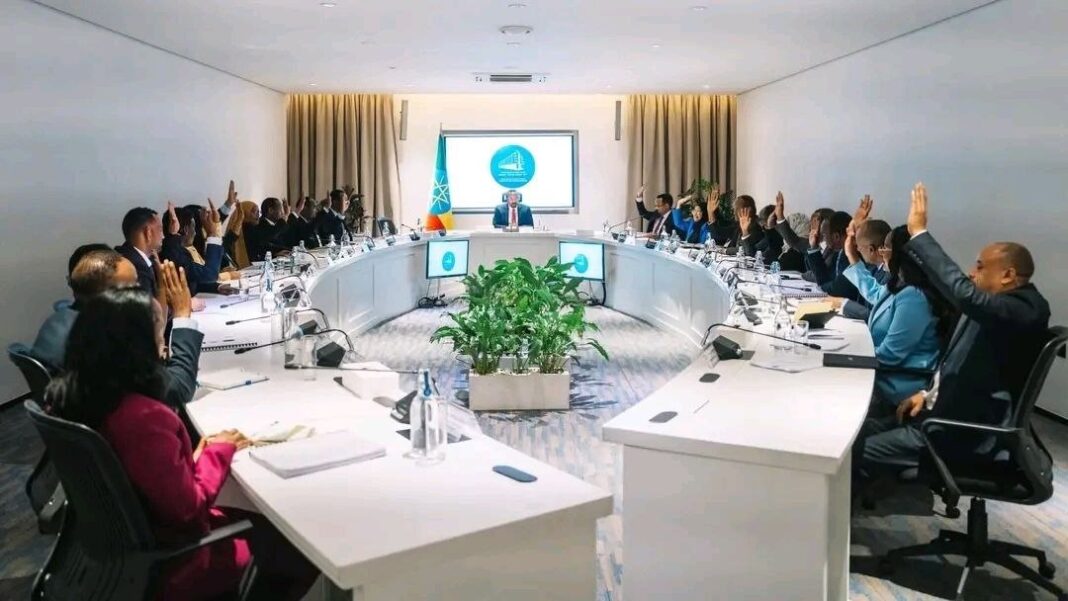
The official launch ceremony took place at the African Development Bank’s East Africa Regional Office in Nairobi. The timing of the project is critical, coming at a time when Sudan is facing devastating internal conflict and instability, leaving more than 19 million of its citizens exposed to severe hunger. This new effort will focus heavily on helping farming communities return to production, reducing post-harvest losses, improving farmers’ incomes, and strengthening market linkages.
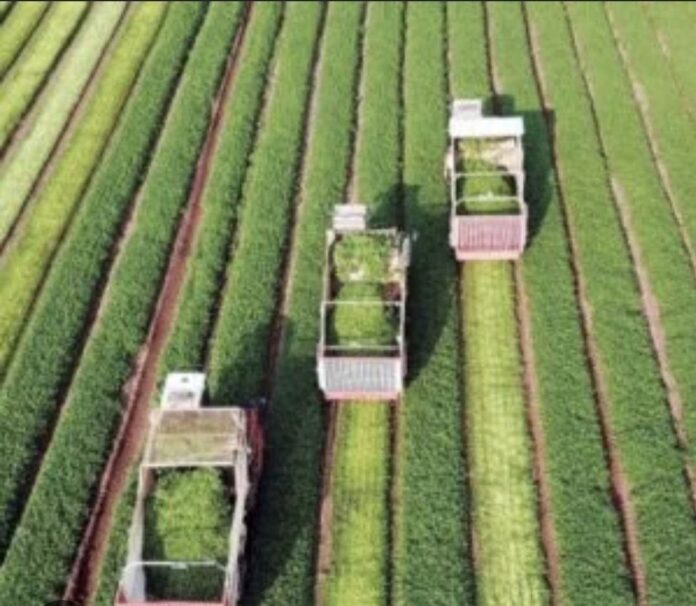
Abdallah Alwardat, the World Food Programme (WFP) Country Director for Sudan, noted that farmers previously supported by the organization have been able to withstand the country’s conflict and difficult conditions to maintain and even improve their yields of wheat and sorghum. This new BOOST project will operate primarily in Sennar State and Blue Nile State, benefiting more than 230,000 farming households.
These farmers are expected to produce nearly 1 million metric tons of cereals and pulses over the project’s duration. This output has the potential to meet the annual cereal consumption needs of 9 million people and the pulse needs of 15 million people, creating a significant boost for the country’s food security.
David Muthusi Mutuku, the African Development Bank’s Country Manager for Sudan, emphasized that investing in Sudan’s farmers is equivalent to investing in the country’s recovery and long-term resilience. The bank’s partnership with WFP provides practical solutions that will revitalize the rural economy and help communities withstand future natural or man-made shocks.
This project builds on the success and lessons learned from the previous “Sudan Emergency Wheat Production Project” implemented by both institutions. It marks a strategic shift in Sudan from providing short-term humanitarian aid to fostering sustainable, self-sufficient local food production systems.
Since 2023, the African Development Bank and the World Food Programme have partnered on resilience activities in Sudan worth a total of $267 million. This new $87 million agreement further strengthens the long-term partnership between the two organizations and underscores their commitment to the people of Sudan.