The escalating conflict between the United States and Iran is sending shockwaves far beyond the Middle East, exposing the deep vulnerabilities of developing nations trapped in an unequal global trading system. What is playing out on the international stage is no ordinary geopolitical spat; it epitomizes a ticking seismic reconfiguration of global alliances. As the dominance of the West wanes and the global balance of power shifts East, globalization is being fundamentally transformed. Once a unified, efficiency-driven system, it is rapidly fracturing into fragmented, autarkic, and ideologically aligned trading blocs. For Africa, the ramifications of this seismic shift are both dire and far-reaching, demanding immediate, long-term policy interventions.
For Kenya, these distant altercations are no longer abstract concepts debated in foreign capitals. Their economic fallout is actively permeating through the country’s macroeconomic channels. The most immediate symptom has been a sharp increase in global oil prices, which is already exerting severe inflationary pressures across the domestic economy, raising the cost of living and doing business.
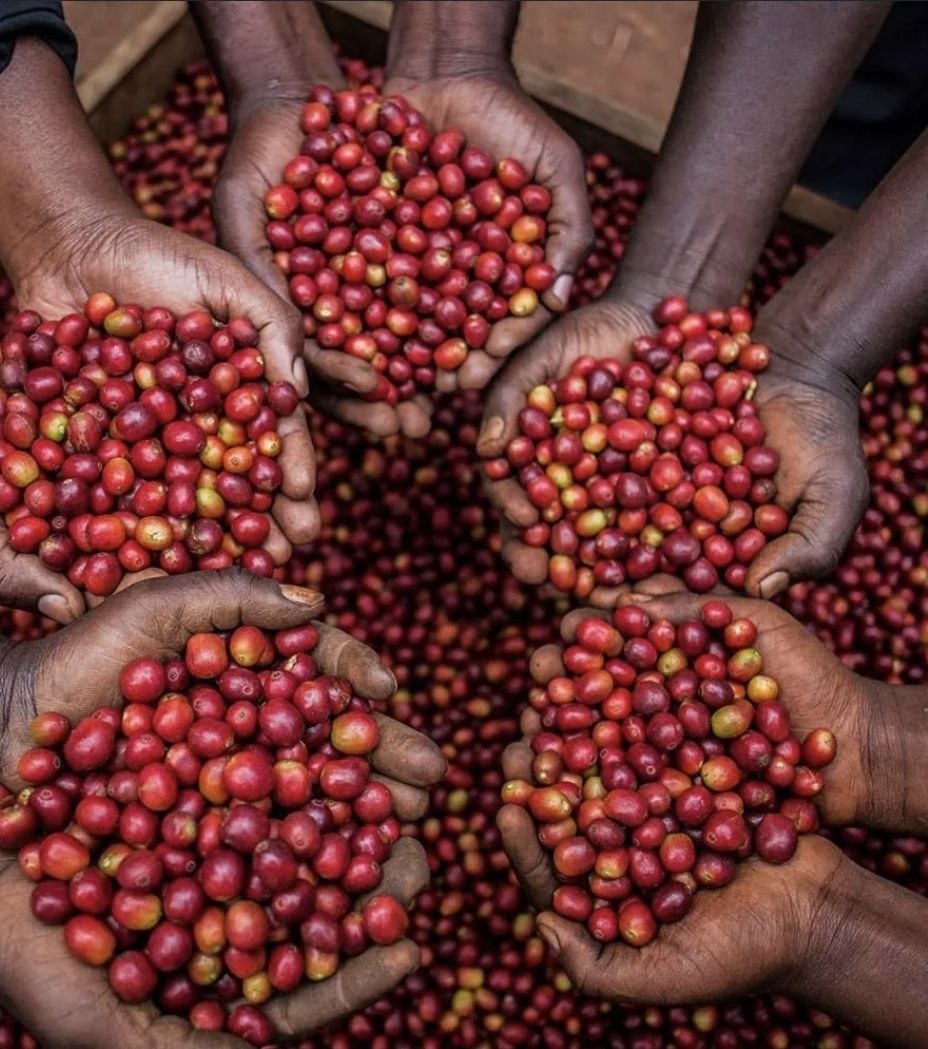
This Persian crisis has trained a harsh spotlight on a separate and unequal global trading system that continuously compromises Africa’s development. In a stark economic paradox, Africa contributes a mere three percent to global trade, yet remains the world’s primary supplier of raw materials. These persistent trade imbalances are directly imputable to the lingering effects of colonial extractive policies.
For decades, these models have kept African economies tethered to Western markets as exporters of cheap primary commodities and importers of expensive finished goods. To survive the current era of global volatility, Africa must aggressively diversify away from external shocks—and the key lies within the continent itself.
This urgent need for diversification is heavily embedded in Africa’s Agenda 2063 and the landmark African Continental Free Trade Area (AfCFTA) agreement. Designed to dismantle colonial-era trade dependencies, the AfCFTA establishes the free movement of persons, capital, goods, and services. By deepening economic integration, the framework aims to promote robust agricultural development, ensure food security, accelerate industrialization, and drive structural economic transformation across the continent.
However, executing this vision requires continental leadership and a dramatic scaling up of domestic enterprises. If African firms are to compete globally and survive shifting alliances, they must embrace shared ownership models to achieve the scale necessary to thrive. Furthermore, robust investment protection holds the ultimate key to unlocking Africa’s vast, untapped growth potential.
Amid these shifting global tectonic plates, Kenya is uniquely positioned to redefine its role. The country is rapidly emerging as a credible gateway to the East and Central Africa region, serving as both a political and economic focal point in this new era. With President Ruto currently serving as the Chair of the Committee of Heads of State and Government on the implementation of the AfCFTA, Kenya possesses immense political goodwill. The administration must aggressively leverage this influence to become the primary regional champion and driver of the AfCFTA agenda, shifting the narrative from external vulnerability to internal strength.
This trajectory begins with a clear progression: global shocks like the US-Iran conflict and subsequent oil spikes expose the flaws of the old extractive colonial model, which keeps Africa at just three percent of global trade. The necessary policy intervention is the AfCFTA, focusing on intra-Africa trade and industrialization, with Kenya stepping up as the regional gateway by aligning its top institutions with the continental secretariat.
The rapid convergence of these regional and local changes has exposed notable public policy gaps. However, it has also birthed a new dawn of opportunities, incubating a much-needed class of localized expertise. This new wave of African thinkers is poised to infuse policy debates with rigorous, evidence-based data viewed through an authentic African perspective, rather than relying on external Western paradigms.
To successfully align its future development aspirations with the broader continental vision, Kenya must strategically capitalize on this evolving policy landscape. Specifically, Kenya must lobby to actively drive the AfCFTA implementation agenda by tapping into its premier domestic institutions. By positioning home-grown think-tanks like the Kenya Institute for Public Policy Research and Analysis (KIPPRA) to become formal affiliates of the AfCFTA Secretariat—with a specialized regional focus on East Africa—Kenya can provide the intellectual and analytical horsepower needed to navigate this new global order. The era of relying on volatile global systems is drawing to a close; Africa’s economic future now depends entirely on its own integration.