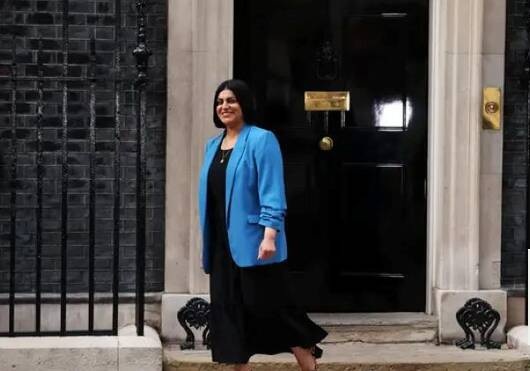
Two Sudanese asylum seekers have filed a high-profile legal claim against the Home Office, targeting a controversial overhaul of the UK asylum system that critics argue “strips refugees of their fundamental rights.” This judicial review request marks the first major legal challenge to the Labour government’s “Core Protection” policy, designed by Home Secretary Shabana Mahmood to “restore order and control” at the country’s borders.
The primary catalyst for the dispute is the significant reduction in the duration of “Leave to Remain” granted to those fleeing persecution. Under the previous system, refugees were typically granted five years of residency before becoming eligible to apply for Indefinite Leave to Remain (ILR).
However, the new guidance, which came into effect on March 26, 2026, has slashed this period to just 30 months (two and a half years). Furthermore, the path to permanent residency has been extended to a staggering 20 years, forcing refugees to undergo eight separate assessments before achieving full security.
The two claimants, both survivors of torture in Sudan, argue that the policy is “indirectly discriminatory” and fundamentally flawed. A legal team led by Manini Menon of Duncan Lewis Solicitors contends that the constant re-evaluation process exacerbates mental health issues—specifically flashbacks and Post-Traumatic Stress Disorder (PTSD)—by depriving refugees of the stability necessary for recovery.
“Our clients argue that the Home Secretary’s policy is both unlawful and discriminatory,” Menon stated. “Evidence from countries like Denmark and Australia is clear: granting refugees only temporary status worsens mental and physical health conditions, creates barriers to social integration, and increases the risk of poverty.”
Defending the measures, Home Secretary Shabana Mahmood stated they are necessary to prevent what she termed “asylum shopping.” In a policy document released late last year, Mahmood alleged that even genuine refugees seek out “more attractive” destinations across Europe.
The government’s position is that making residency in the UK temporary and conditional will deter “small boat” crossings. However, the claimants’ legal filings highlight a stark contradiction: in 2025, **96% of asylum claims** from Sudan were successful, providing unambiguous evidence that the vast majority of people arriving from the conflict zone are in genuine need of protection.
The United Nations High Commissioner for Refugees (UNHCR) has strongly opposed the 30-month directive, issuing a warning regarding the potential for administrative chaos. The agency points out that the Home Office will now be required to re-examine thousands of cases every two and a half years, leading to significant administrative pressure. Furthermore, the UNHCR indicated that the policy creates profound instability for refugees and negatively impacts their ability to integrate into society.
Another major concern is family separation; in addition to the shortened stay, the new guidance mandates that refugees meet strict income requirements to bring spouses or children to the UK—a rule previously reserved only for economic migrants.
The UK’s shift toward temporary protection mirrors controversial policies previously attempted (and often abandoned) by other nations. Australia, for instance, formerly utilized temporary protection visas before returning to permanent residency permits due to the severe psychological toll it placed on refugees.
Similarly, 2024 data reveals that while countries like Denmark and Norway maintain “return” policies, they denied asylum to fewer than 50 individuals; this suggests that the financial and logistical cost of repeatedly reviewing thousands of cases far outweighs the actual results achieved.