The Somali Federal Ministry of Livestock, Forestry, and Range has officially launched a major project titled “Activating Climate Resilient Agricultural Livelihoods in Somalia” (ACALS), aimed at benefiting farmers and pastoralists across the nation. This initiative is designed to go beyond providing short-term emergency aid, focusing instead on building long-term resilience for communities frequently impacted by climate change and recurring droughts.
The ACALS project is funded by the African Development Bank (AfDB) and will be implemented through a partnership between the World Food Programme (WFP) and the United Nations Office for Project Services (UNOPS). The initiative primarily targets the Hirshabelle and Puntland states, where it aims to directly support 30,000 people.
According to ministry officials, the project focuses on introducing climate-resilient technologies, restoring degraded agricultural lands, and developing climate-adapted infrastructure. A key component involves creating sustainable water solutions and increasing drought-resistant fodder production to safeguard livestock in Somalia’s most vulnerable regions.
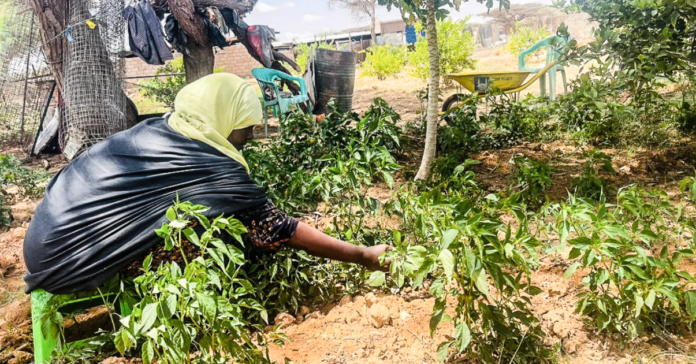
Women and youth are a central focus of this initiative. The project aims to empower these groups through specialized capacity-building training and livelihood support tools, enabling them to become economically self-sufficient and more resilient to climate shocks. This focus is expected to play a significant role in addressing unemployment and promoting social equity within the country.
Somalia has faced some of the most severe drought cycles in recent history. While the government has previously collaborated with the World Bank and the Somali Disaster Management Agency (SoDMA) to establish early warning systems, the ACALS project complements these efforts by transitioning from reactive emergency relief toward proactive, community-led resilience.
The ministry emphasized that the project will involve rehabilitating rangelands to prevent soil erosion, constructing modern water catchment systems, and producing climate-adapted animal feed. These activities align with Somalia’s broader goals to enhance its access to international climate financing through the Green Climate Fund and the Adaptation Fund.
During the official launch, the ministry signaled that implementation would begin immediately in the selected districts of Hirshabelle and Puntland. Government officials have called upon local communities and international partners to provide the necessary support to ensure the project’s success.
Overall, this AfDB-funded initiative marks a significant step forward in Somalia’s journey to mitigate the impacts of climate change and ensure food security. If successful, the project will empower thousands of families to withstand natural disasters through their own skills and resources, paving the way for a more stable and prosperous future.