Africa has made measurable gains across 12 of the 17 Sustainable Development Goals (SDGs), but the overall pace of progress remains insufficient to meet the 2030 Agenda and the African Union’s Agenda 2063, according to the newly released 2026 Africa Sustainable Development Report (ASDR).
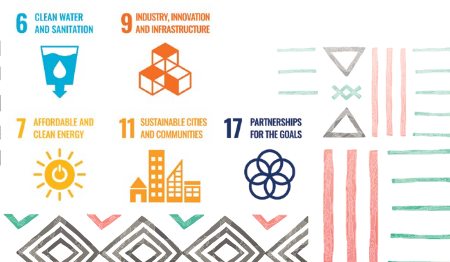
The report, jointly produced by the African Union, the African Development Bank, the United Nations Development Programme, and the UN Economic Commission for Africa, assesses progress in five critical areas: clean water and sanitation, affordable energy, industry and infrastructure, sustainable cities, and partnerships. While the report highlights real development gains, it warns that structural constraints—including persistent financing shortfalls, limited institutional capacity, and frequent climate and economic shocks—are slowing momentum and, in some sectors, reversing previous successes.
One of the most pressing findings of the 2026 ASDR concerns water and sanitation. While access to basic drinking water has reached an estimated 81 percent of the population, access to safely managed services remains low, moving only from 33 percent in 2015 to approximately 36 percent in 2023. Progress in sanitation is even more sluggish, with access to safely managed sanitation services rising to only 30 percent by 2023. This leaves an estimated 650 million Africans without basic facilities and maintains the persistence of open defecation in several countries. The report notes that official development assistance for water and sanitation has actually declined since 2019, falling to about 3.3 billion US dollars in 2023, exacerbating the financing bottleneck.
The 2026 ASDR underscores a starkly uneven development landscape, with significant disparities between subregions and between urban and rural populations. The continent’s youthful demographic profile remains a defining feature of this landscape. The report argues that leveraging this demographic dividend is the most urgent imperative for the coming decade, hinging on the continent’s ability to overhaul education systems, foster economic inclusion, and vastly improve access to modern technologies.
The report emphasizes that the 2030 Agenda and Agenda 2063 are achievable only through transformative, equitable, and coordinated actions. It highlights that bridging the gap in tax revenue and foreign direct investment remains essential to move beyond the current trajectory of slow growth. Furthermore, prioritizing integrated water management and clean energy solutions is necessary to support industrialization, while addressing the persistent structural and data challenges remains vital to understanding performance at local levels.