A new joint study has found that integrating treatment for Moderate Acute Malnutrition (MAM) into Ethiopia’s Health Extension Program significantly improves service coverage and access, offering a pathway to strengthen the country’s primary healthcare system.
The implementation research, led by Addis Ababa University (AAU) in collaboration with the Federal Ministry of Health (MoH) and the United Nations World Food Programme (WFP), was conducted between 2023 and 2025 across five districts: Girawa (Oromia), Zala (SNNP), Aleta Chuko (Sidama), Mille (Afar), and Adadle (Somali).
Funded by the United States government and the United Kingdom’s Foreign, Commonwealth & Development Office (FCDO), the study examined how MAM management could be embedded within Ethiopia’s routine health services. Its findings indicate that delivering MAM treatment through the Health Extension Program is both feasible and effective.
The research showed that integration expanded the availability of MAM services to nearly all health posts in the study areas, improved coordination among local authorities, and strengthened adherence to treatment protocols. It also contributed to modest reductions in malnutrition prevalence, enhanced supply chain management, and increased community awareness of available nutrition services.
“Integrating MAM management into the routine health extension program helps ensure earlier identification, continuity of care, and more equitable access to lifesaving nutrition and related health services beyond emergency responses,” said Hiwot Darsene, Lead Executive Officer of the Nutrition Coordination Office at the Ministry of Health. “We are committed to institutionalizing this integration through sustainable financing, strengthened logistics, and robust data systems.”
The study underscores the need for sustained investment, calling for predictable financing, stronger supply systems, and continued capacity building for frontline health workers to maintain and scale the gains achieved.
Researchers say the findings also highlight the role of evidence-based policymaking in improving health outcomes. “This collaboration demonstrates how rigorous, policy-oriented research can improve service delivery and save lives,” said Dr. Rahel Argaw, Chief Executive Director of the College of Health Sciences at Addis Ababa University. “It supports national efforts to strengthen standards, empower frontline workers, and accelerate progress in tackling child and maternal malnutrition.”
Ethiopia has made notable progress in reducing malnutrition in recent years. According to the latest Demographic and Health Survey (DHS), wasting prevalence declined from 10 percent in 2016 to 5 percent in 2026, reflecting the impact of strengthened policies and interventions.
Historically, MAM treatment has largely been delivered through humanitarian systems, often with limited continuity of care and weak integration with broader health services. The new study addresses these gaps by demonstrating how routine health platforms can provide more consistent and accessible care.
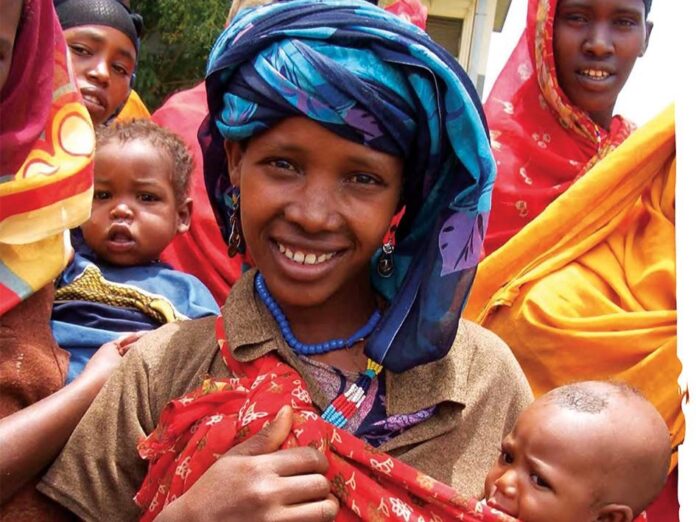
“This research shows that integrating MAM care into Ethiopia’s primary health system is not only feasible—it delivers results,” said Dr. Mutinta Hambayi, WFP Deputy Country Director in Ethiopia. “With reliable supplies, trained health workers, and strong coordination, children and mothers can access timely care close to home.”
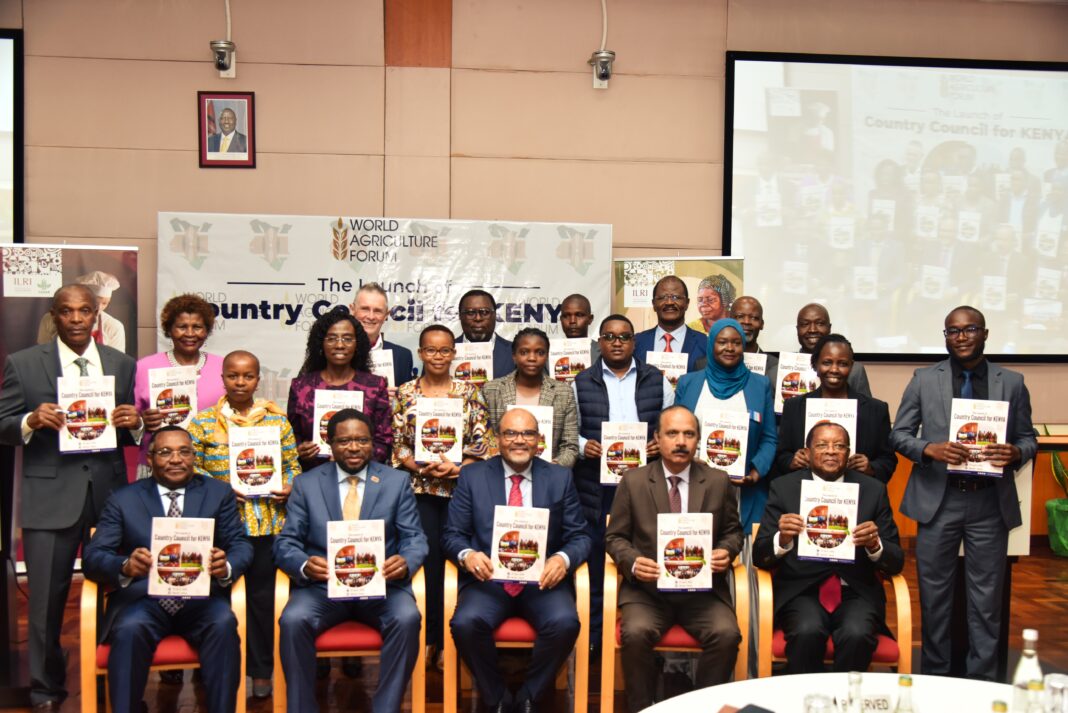
The findings were presented at a national dissemination workshop in Addis Ababa, attended by government officials, regional health authorities, development partners, UN agencies, and researchers. Participants discussed strategies to scale up integrated MAM services nationwide and sustain recent gains.