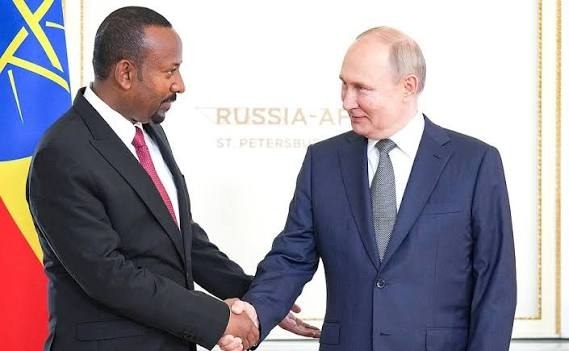
Trade between Russia and Ethiopia more than tripled in 2025, marking a significant milestone in the diplomatic and economic relations between the two nations. The dramatic surge in bilateral commerce was highlighted by Russian President Vladimir Putin during a high-level meeting with Ethiopian Prime Minister Abiy Ahmed on the sidelines of the BRICS summit in New Delhi. The discussions focused heavily on broadening economic cooperation well beyond their traditional political alliances, touching on everything from industrial exports and logistics to advanced energy infrastructure and higher education.
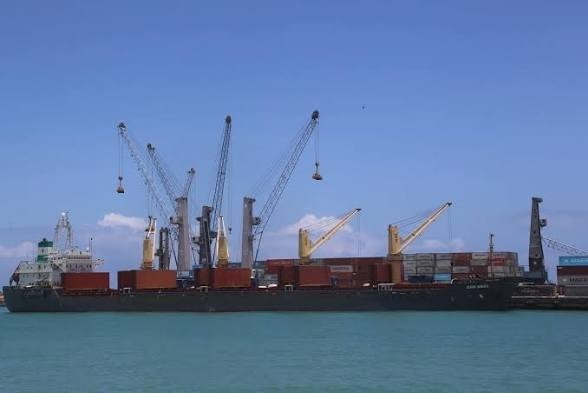
According to figures released by the Russian Foreign Ministry, the total value of bilateral trade surpassed 435 million US dollars last year, representing an expansion of nearly three times the volume recorded in the previous year. The trade flow reflects distinct economic complementary strengths: Russian exports to Ethiopia primarily consist of industrial and agricultural inputs, including essential fertilizers, heavy agricultural machinery, and specialized energy equipment. Conversely, Ethiopia supplies Russia with key consumer and agricultural goods, most notably its globally renowned coffee, fresh cut flowers, and textiles.
Despite this rapid acceleration, both governments acknowledge that structural hurdles remain. Ethiopian and Russian trade officials have actively engaged in identifying and resolving practical barriers to commerce, with a particular focus on improving logistics networks and establishing more efficient financial settlement mechanisms. Some of these logistical and monetary challenges are being addressed through bilateral diplomatic channels, while others are being streamlined via broader institutional frameworks within the BRICS bloc.
Prime Minister Abiy noted that the unprecedented growth in trade has unlocked considerable scope for future economic expansion. Reflecting on the trajectory of the partnership, he expressed optimism that substantial room remains for further scaling commercial volume in the coming years.
Beyond standard merchandise trade, the bilateral agenda has increasingly branched into high-technology sectors, most notably civil nuclear energy. Russia’s state-owned nuclear corporation, Rosatom, and Ethiopian Electric Power signed a formal action plan in Moscow late last year. This agreement forms part of a broader three-year roadmap established earlier in 2025, which includes specialized technical training programs designed to equip Ethiopian engineers and nuclear physicists with the expertise needed for future energy infrastructure development.
Humanitarian and educational ties continue to serve as a bedrock for the partnership. President Putin noted that over 20,000 Ethiopian nationals have received their higher education in Russia historically, creating a lasting bridge of cultural and professional understanding. Prime Minister Abiy corroborated this sentiment, pointing out that cooperation across investment, military modernization, and academic scholarships has advanced visibly since his previous official visit to Moscow.
The New Delhi meeting also underscored Ethiopia’s deepening integration into the BRICS alliance, which it officially joined as a full member on January 1, 2024. President Putin praised Ethiopia for making a constructive and active contribution to the grouping’s multilateral activities. Prime Minister Abiy took the opportunity to express his gratitude for Moscow’s diplomatic backing during Ethiopia’s accession process, emphasizing that Russian support was instrumental in securing the nation’s membership within the bloc.