
African standards regulators and trade stakeholders have raised alarms over a major structural gap threatening the seamless implementation of the African Continental Free Trade Area (AfCFTA), revealing that only 28 percent of submitted tariff lines are currently covered by harmonised standards.
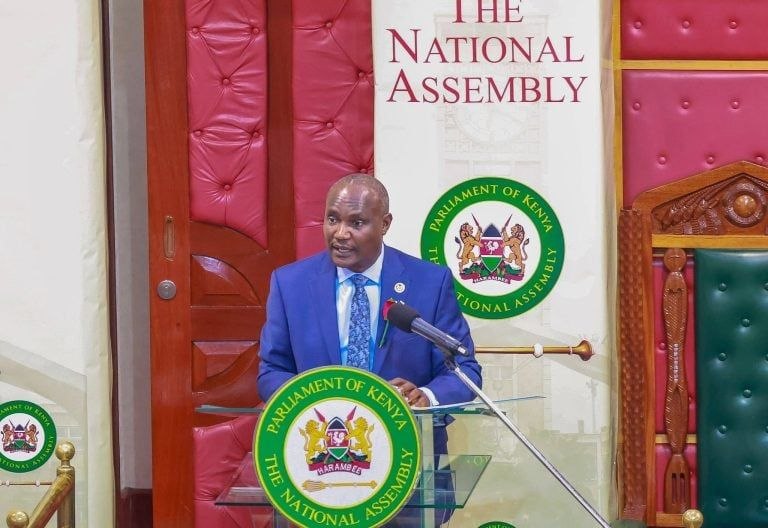
Gathered in Mombasa for the African Organisation for Standardisation (ARSO) Council meetings and General Assembly—hosted by Kenya through the Kenya Bureau of Standards (KEBS)—officials emphasized that the lack of unified technical rules continues to impose heavy financial burdens and administrative delays on businesses moving goods across the continent.
The high-level gathering is being held under the theme, “Standards enabling intra-African trade: One certificate working for you,” reflecting a unified push among delegates for greater cross-border recognition of product certifications issued across different African jurisdictions.
A central focus of the discussions was the current requirement for manufacturers to undergo repeated testing and obtain fresh certifications every time their products cross a national border. KEBS Managing Director Esther Ngari argued that this fragmented approach severely undermines the economic objectives of the free trade pact.
”Manufacturers should not be forced to obtain fresh certification every time their products enter another African market if the goods have already met an agreed continental standard,” Ngari stated during the assembly.
Providing a practical example, Ngari noted that a product certified in Nairobi should be cleared to enter markets such as South Africa, Ghana, or Morocco without being subjected to a redundant round of technical testing. Establishing a coordinated framework where a certificate issued in one country is universally recognized, she added, would drastically cut operational expenses and accelerate cross-border commerce.
While intra-African trade currently hovers at roughly 16 percent, experts believe that closing the standards gap is vital to unlocking the market’s true potential. To date, more than 2,700 standards have been successfully harmonized in line with continental trading patterns. However, because these only account for about 28 percent of tariff lines submitted under the AfCFTA, a substantial majority of products still lack a common regulatory framework.
Furthermore, officials stressed that simply agreeing on standards on paper is insufficient; countries must actively incorporate them into domestic legal systems and invest heavily in local testing laboratories and conformity assessment facilities.
To bridge these gaps, initiatives like the Africa Quality Mark have been introduced to validate compliant products. While currently active in nine countries, an additional ten nations are expected to adopt the mark. The initial rollout primarily targets agro-processing, though efforts are simultaneously underway to develop standards for automotive manufacturing, pharmaceuticals, transport, textiles, leather, and professional services.
Another critical hurdle highlighted during the Mombasa meetings is lagging institutional participation. Despite a 2014 resolution by African heads of state mandating universal continental membership, ten countries have yet to officially join ARSO.
ARSO Champions Chair and Zambia Bureau of Standards Executive Director Nathan Sin’gambwa urged the remaining nations to join the fold and actively participate in formulating unified technical requirements. Sin’gambwa stressed that membership alone is merely a first step; countries must genuinely operationalize agreed standards to eliminate the technical barriers that choke regional expansion.
During the sessions, trade officials reiterated that meeting recognized standards should be viewed by entrepreneurs as a strategic investment in quality, consumer trust, and global competitiveness, rather than an arbitrary regulatory hurdle. As the continent strives to make the AfCFTA a functional reality, bridging the 72-percent gap in tariff line standardization remains an urgent priority for sustainable economic integration.