The United Nations Country Team in South Sudan has warmly welcomed the inscription of the Boma-Badingilo Migratory Landscape onto the UNESCO World Heritage List. Approved by the UNESCO World Heritage Committee during its 48th session in Busan, Republic of Korea, this landmark designation officially marks South Sudan’s very first World Heritage Site, placing one of the nation’s greatest natural treasures firmly on the global stage.
Spanning an expansive area of more than 37,500 square kilometres, the newly designated landscape encompasses the Boma and Badingilo national parks, along with their surrounding savannahs, vital wetlands, and critical wildlife corridors.
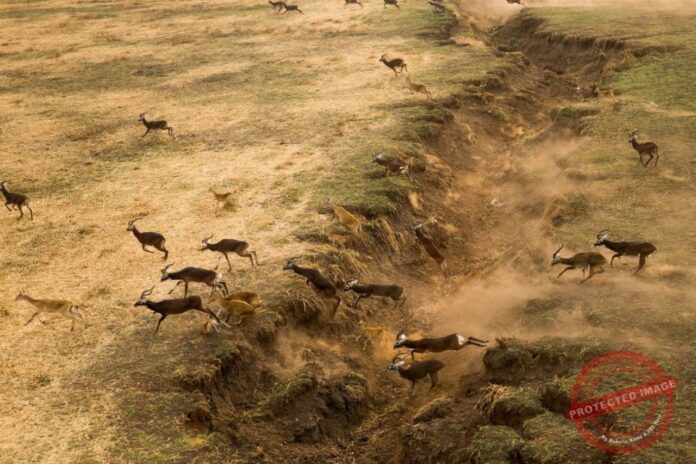
Most notably, the region is home to the Great Nile Migration, widely celebrated as one of the largest remaining land mammal migrations on Earth. Each year, the landscape plays host to an estimated six million animals, primarily consisting of white-eared kob, tiang, and Mongalla gazelles, creating a breathtaking ecological spectacle of international significance.
Speaking on the achievement, Yayoi Segi-Vltchek, the UNESCO Representative to South Sudan, described the inscription as a proud and transformative moment for the country.
“The inscription recognizes the Outstanding Universal Value of the Boma-Badingilo Migratory Landscape and places one of the country’s greatest natural treasures on the global stage,” Segi-Vltchek stated. “It also reinforces the importance of safeguarding this exceptional landscape for future generations while supporting the communities who have long been its custodians.”
This prestigious recognition is the culmination of years of rigorous collaboration between the Government of South Sudan, UNESCO, various international conservation partners, and local communities, all working together to prepare the nomination under the framework of the 1972 World Heritage Convention.
However, alongside the celebration of its newfound global status, the World Heritage Committee also took the crucial step of placing the Boma-Badingilo Migratory Landscape on the List of World Heritage in Danger. The committee cited ongoing challenges threatening the ecosystem, including regional insecurity, commercial poaching pressures, and severe climate shocks. By placing the site on the danger list, international bodies aim to rapidly mobilize global support, technical expertise, and funding to strengthen the protection and management of the vast landscape.
Ramanathan Balakrishnan, Acting United Nations Resident and Humanitarian Coordinator, emphasized that the recognition underscores the inseparable link between environmental conservation and long-term sustainable development in the region.
“This inscription is a proud moment for South Sudan and a reminder that protecting nature and supporting people go hand in hand,” Balakrishnan noted. “By sustainably managing natural resources and safeguarding healthy ecosystems, communities help secure livelihoods and strengthen the foundations for peace.” The UN highlighted that the designation significantly bolsters international cooperation, paving the way for enhanced strategies to protect South Sudan’s rich biodiversity.