International partners have issued a final notification to Somalia’s federal government and the opposition, signaling the start of a last-ditch diplomatic effort to resolve the nation’s protracted political gridlock. This impasse, characterized by disputes over election timelines and controversial constitutional amendments, has left the country in a state of deepening uncertainty.
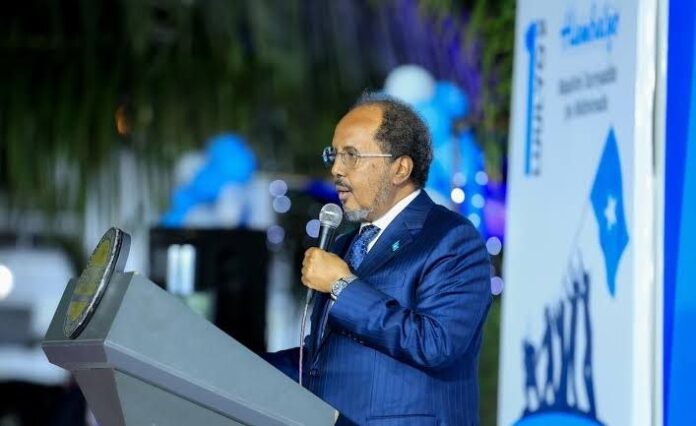
According to reports, the international community has set the stage for fresh negotiations to commence in early July, aiming to bridge the widening chasm between the administration of President Hassan Sheikh Mohamud and various opposition factions.
The core of this diplomatic intervention centers on facilitating a dialogue that has proven elusive for months. Recognizing the need for a unified voice on the opposition side, international mediators have officially accepted the Somali Future Council as the primary representative for opposition groups in the upcoming talks.
While the federal government retains the autonomy to hold separate consultations with other political figures, the internationally brokered negotiations themselves will be restricted to engagement between government officials and the Somali Future Council. This structural decision is intended to streamline the mediation process and avoid the fragmentation that hindered previous attempts at resolution.
The urgency of this initiative stems from a profound constitutional crisis. The mandates of both the president and the parliament have expired—the latter in April and the former in May—yet both branches of government continue to operate. The federal government asserts that a one-year term extension, secured through parliamentary constitutional amendments, provides the necessary legal basis for its continued authority.
Conversely, opposition leaders maintain that these amendments are illegitimate and violate the country’s 2012 provisional constitution. They argue that the government’s lack of a valid mandate necessitates immediate, consensus-based negotiations regarding the model and timing of future elections, rather than a unilateral continuation of power.
This diplomatic push follows the failure of earlier high-level talks held at Mogadishu’s Halane base, which were mediated by the United States and the United Kingdom but collapsed in May due to entrenched positions on both sides.
International partners have described the current window of opportunity as a final effort to stave off further instability. As the July deadline approaches, the eyes of the international community remain fixed on Mogadishu, hoping that this latest intervention will successfully steer the country away from its current political precipice and toward a sustainable path for democratic governance.