The dangerous Ebola outbreak in the Democratic Republic of Congo and Uganda is spreading rapidly, with laboratory-confirmed cases now reaching 263, the Africa Centres for Disease Control and Prevention (Africa CDC) announced. Officials noted that the speed of the disease is currently outpacing the global community’s containment and prevention response, with 43 deaths officially confirmed so far due to the virus.
In an op-ed published in the Financial Times, Africa CDC Director-General Dr. Jean Kaseya indicated that healthcare professionals are currently investigating more than 1,100 additional suspected Ebola cases under strict surveillance. The anxiety surrounding this situation has doubled because the current outbreak involves the rare “Bundibugyo” strain, an incredibly severe variant of Ebola for which there is no approved vaccine or effective medical treatment.
This outbreak represents the 17th time the Democratic Republic of Congo has battled Ebola, making it the third-largest outbreak globally since the virus was first discovered half a century ago. Recognizing the severity of the disease, the World Health Organization (WHO) has officially declared the outbreak in both countries a public health emergency of international concern.
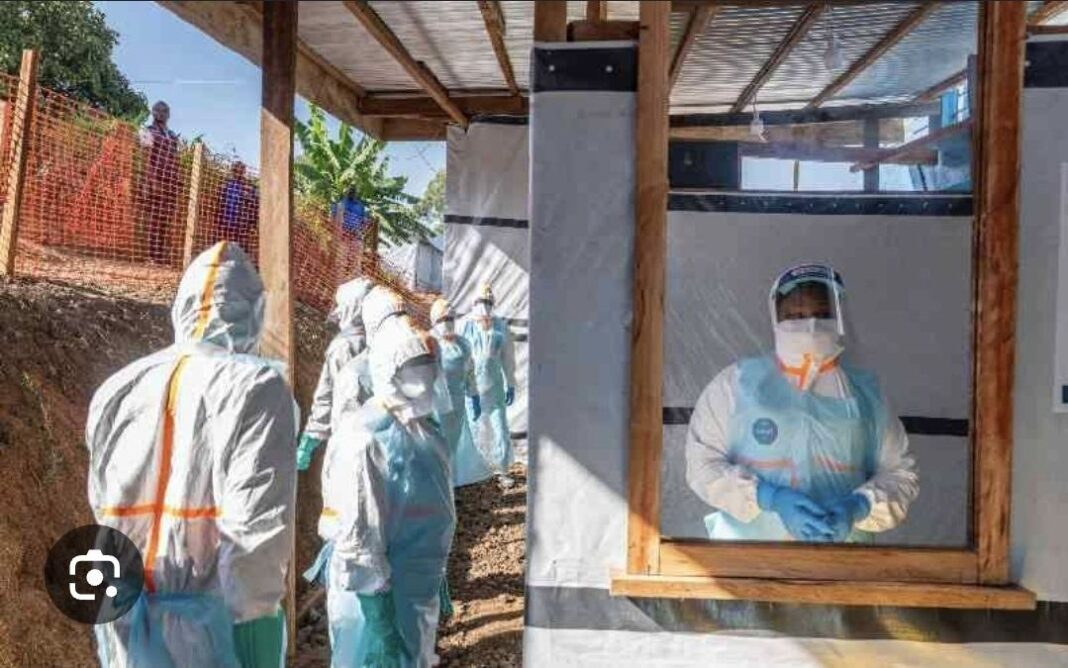
Despite the high stakes, healthcare workers and aid personnel at the epicenter of the virus—such as the Bunia region in Ituri province—are reporting that they are facing an abysmal shortage of resources. Frontline workers note that they lack even basic personal protective equipment like face masks and medical gowns. Experts attribute this supply failure to the fact that the virus spread silently and undetected within the community for several weeks before being identified, a delay that has placed immense strain on the local health system.
Dr. Jean Kaseya urged that national incident systems across the continent must be activated rapidly to handle the crisis. Furthermore, he emphasized that financial and logistical investments into pandemic preparedness must become “permanent” rather than temporary band-aid solutions.
While Dr. Jean Kaseya acknowledged that the support of international partners and Western donor organizations plays an essential role, he firmly stated that this aid matters most when it aligns directly with the strategies built by African institutions and African governments. He pointed out that uncoordinated international assistance, independent of local leadership, will fail to deliver effective results in the frontline battle against the virus.
The containment response in eastern Congo is not just hampered by public health obstacles. The region is heavily awash with armed rebel groups, including areas under the partial control of the Rwanda-backed M23 rebels, which severely restricts the safe movement of medical deployment teams.
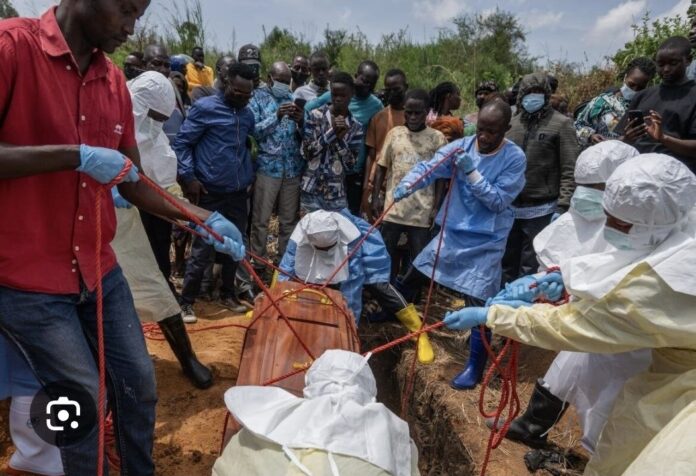
Compounding the crisis is a widespread denial of the disease’s existence among certain local communities, leading to targeted attacks on medical isolation centers and healthcare doctors. While the United Nations peacekeeping mission (MONUSCO) has attempted to airlift tonnes of emergency medical cargo into the region, domestic flight restrictions and severe security threats continue to make the life-saving mission to control this outbreak incredibly complex and dangerous.