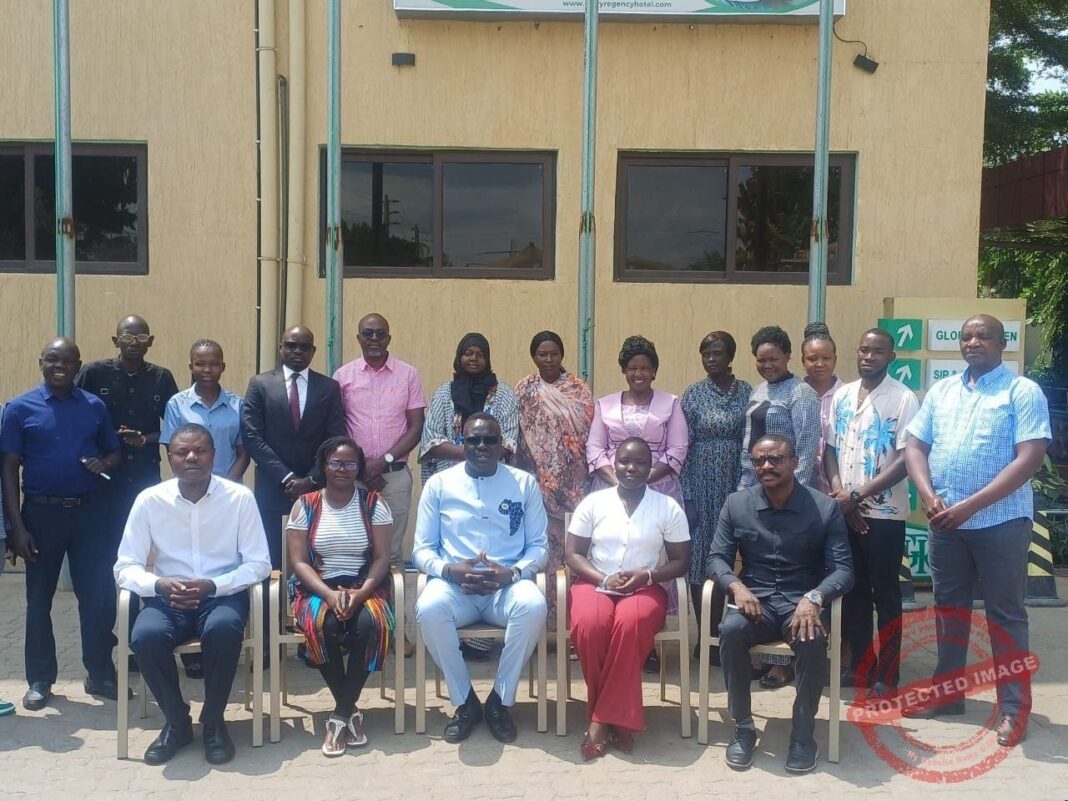
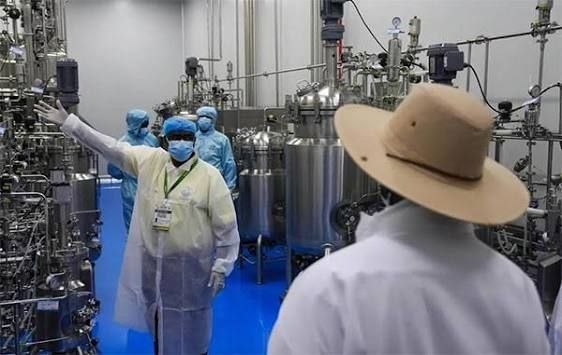
When scientists, policymakers, and development partners gathered in Kampala for the inception meeting of the Collaborative Network for Vaccine Research in West and East Africa (CONNECT-VAS) project, the underlying message was undeniable: Africa can no longer remain on the margins of global vaccine development.
The structural vulnerabilities exposed by the COVID-19 pandemic—where wealthier nations monopolized initial vaccine supplies while African countries were forced to wait—highlighted the existential risk of relying strictly on external manufacturers. Now, a pioneering multi-country initiative is looking to reshape that narrative, with Uganda taking the driver’s seat.
Implemented under the Science Granting Councils Initiative (SGCI), the CONNECT-VAS project brings together a strategic alliance between Uganda, Kenya, Tanzania, and Sierra Leone. The core mission is to rapidly strengthen regional vaccine research systems, bolster regulatory capacity, harmonize communication strategies, and upgrade delivery mechanisms.
Importantly, stakeholders emphasized that building local vaccine ecosystems is no longer just a public health initiative; it is a critical matter of economic growth and national security. In remarks delivered by Dr. Martin Ongol (PhD) on behalf of Dr. David Serukka, the acting Executive Secretary of the Uganda National Council for Science and Technology (UNCST), the launch was described as a monumental turning point.
“Today marks more than the launch of a project; it marks the beginning of a conversation about Uganda’s future in vaccine research, development, manufacturing and access,” Dr. Serukka stated. “It is a conversation about how we can collectively strengthen our vaccine value chain and position Uganda to contribute meaningfully to regional and global health security.”
This objective aligns perfectly with Uganda’s Fourth National Development Plan (NDPIV), which identifies innovation and value addition as key economic drivers. Capturing value within the “Pathogen Economy” creates local jobs, fosters high-tech industrial growth, and ensures import substitution. As Dr. Ongol pointed out, while Africa possesses strong upstream capabilities in diagnostics and clinical trials, the lucrative downstream manufacturing value has historically been exported. CONNECT-VAS explicitly intends to close that gap.
Despite the region’s strong scientific foundation—with Uganda already actively evaluating or researching candidates for Ebola, HIV, mpox, and schistosomiasis—the roadblocks ahead are steep. The alliance faces widespread infrastructure deficits, limited funding, localized shortages of specialized human resources, and heavily fragmented institutional coordination.
Furthermore, effective vaccine deployment demands far more than just producing vials. CONNECT-VAS has identified critical logistics targets, emphasizing the need to overhaul weak cold-chain infrastructure and overcome geographical barriers to reach historically underserved areas, such as the remote Karamoja subregion or the isolated Kalangala District islands in Lake Victoria.
As regional development accelerates, safety remains paramount. Prof. Grace Ndeezi, Chair of the Forum for Research Ethics Committee Chairpersons of Uganda (FRECU), reminded stakeholders that modern advances like mRNA and viral vector technologies have vastly compressed development timelines. However, she noted that “speed cannot come at the expense of safety,” and that clinical trials remain inherently expensive because ensuring participant safety is non-negotiable.
Simultaneously, the coalition recognizes that the ultimate benchmark of a vaccine’s success relies on community trust. The rise of social media and artificial intelligence has exacerbated vaccine hesitancy through sophisticated disinformation campaigns.
To combat this, CONNECT-VAS will actively fund research into behavioral drivers of vaccine hesitancy, relying heavily on community engagement and culturally trusted leadership to boost future deployment success.The CONNECT-VAS initiative stands out as an unprecedented governance milestone for sub-Saharan Africa. Since its inception in 2015, the SGCI has worked extensively to build national science systems, but this marks the first time multiple councils have jointly pooled and managed a regional research fund.With UNCST leading the charge from Kampala, Uganda will coordinate activities, oversee an upcoming international scientific review panel, and roll out a competitive regional call for research proposals. By pulling scientists out of localized silos and pushing them into cross-border collaborations, CONNECT-VAS is laying down the concrete foundation for true African health sovereignty.