For decades, the global narrative surrounding philanthropy in Africa has been defined by charity: alleviating suffering, delivering emergency aid, and providing basic necessities. However, at the 10th East Africa Philanthropy Conference held in Addis Ababa, leading voices in the sector delivered a stark and urgent message. The era of managing poverty must end, making way for a radical reimagination of wealth, power, and economic liberation across the continent.
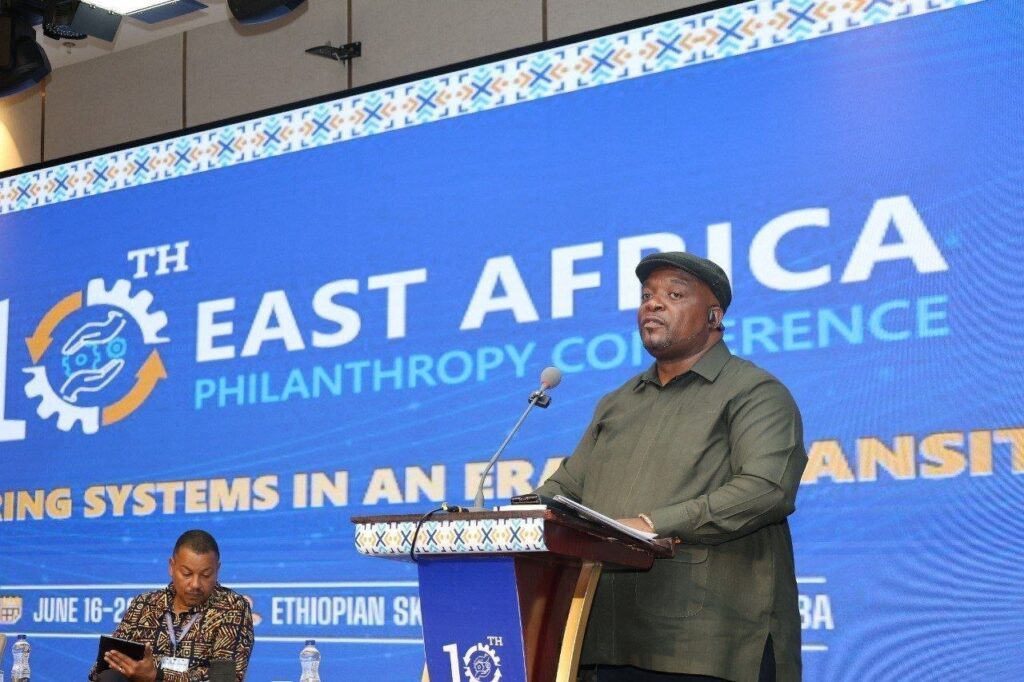
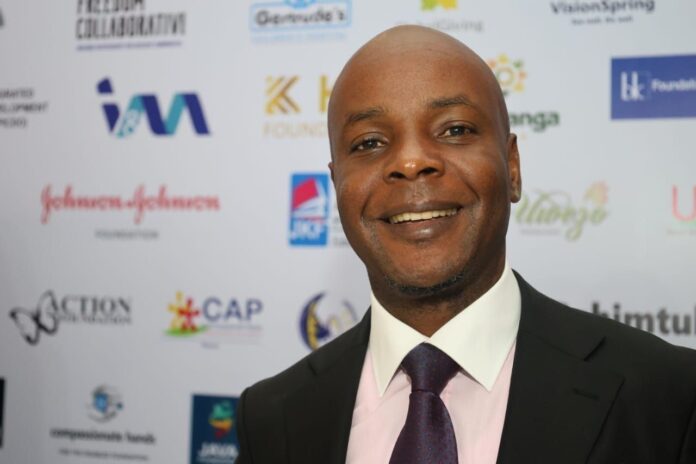
Speaking to a gathering of donors, private sector leaders, and government officials, Brian Kagoro, Managing Director of Programs at Open Society Foundations, and Evans Okinyi, Head of the East Africa Philanthropy Network, dismantled the conventional structures of global giving. They argued that without structural transformation and sovereign control over capital, international philanthropy risks reinforcing the very inequalities it claims to fight.
A central critique raised at the conference is that modern philanthropy often acts as a buffer against public pressure for systemic change. By positioning private donors as rapid, flexible, and innovative problem-solvers, the sector can inadvertently shield structural inequality from scrutiny.
Kagoro highlighted a glaring power imbalance within the sector. According to recent data, less than 10% of global philanthropic funding directed toward Africa goes directly to African organizations. The overwhelming majority is funneled through intermediaries headquartered in the Global North.
“We must stop being the end-user of capital and become the co-designer of that capital,” Kagoro urged. “Domestic resource mobilization is good, but localization without sovereignization becomes an exercise of sanitized colonialism in the new age.”
This “sanitized colonialism” occurs when funds are localized but the decision-making power, strategic direction, and financial control remain securely held by foreign institutions. To break this cycle, African nations must transition from being addictive recipients of capital to creators and managers of their own wealth.
A recurring theme throughout the conference was the critical need to decolonize African philanthropy. For Evans Okinyi, this begins with rejecting Western-imposed frameworks that fail to capture the realities and traditions of the continent.
Okinyi pointed out that giving is not a foreign concept imported to Africa; it is deeply embedded in the continent’s history. He cited the traditional Harambee spirit in Kenya, where communities historically pool resources—selling livestock or crops—to fund a child’s university education or support a neighbor in need.
Despite this rich history, the legal and structural frameworks governing philanthropy in many African nations remain trapped in the colonial era. Most countries still rely on outdated legal categories inherited from British and French rule, strictly dividing entities into for-profit, non-profit, and government sectors. This rigid binary stifles the natural, integrated ways African communities generate and distribute wealth.
If the continent is to achieve true economic liberation, it must rethink how it mobilizes its own resources. One of the most underutilized engines for this transformation is the African diaspora, which remits approximately $100 billion annually to the continent.
Currently, much of this capital is treated purely as household relief. Kagoro challenged leaders to view these funds as a massive pool for co-investment in social infrastructure and structural transformation.
Diaspora resources are vast enough to exponentially increase the number of African women in technology, finance, and science. Furthermore, these funds could be redirected toward scaling off-farm storage, processing, and micro-processing industries.
To achieve this, governments, the private sector, and local philanthropists must pull resources into basket funds to achieve impact at scale, rather than running isolated, small-scale initiatives.However, moving from charity to wealth creation requires financial literacy that is currently lacking in the activist space. Kagoro noted that while many in the philanthropic sector are deeply passionate about fighting injustice, very few possess a working knowledge of capital markets.
Without understanding the primary driver of colonization—capital—true economic liberation remains out of reach.The discussions in Addis Ababa made it clear that achieving clean drinking water and basic healthcare, while vitally important, is not the final destination for a continent seeking total liberation. If the destiny of nations that fought for independence from colonial rule is merely to “suffer less,” then that liberation is incomplete.As global power dynamics shift and foreign interests increasingly focus on extracting African assets, land, and critical minerals, the African philanthropic sector must evolve. It can no longer exist simply as a charity sector. It must become a space for self-defense, strategic capital mobilization, and radical institutional change.Okinyi emphasized that governments must play their part by creating legal environments that incentivize local high-net-worth individuals and the private sector to invest locally. By unlocking domestic capital and restructuring the financial architecture, Africa can ensure its development agenda is driven by those who understand the context and live the reality.