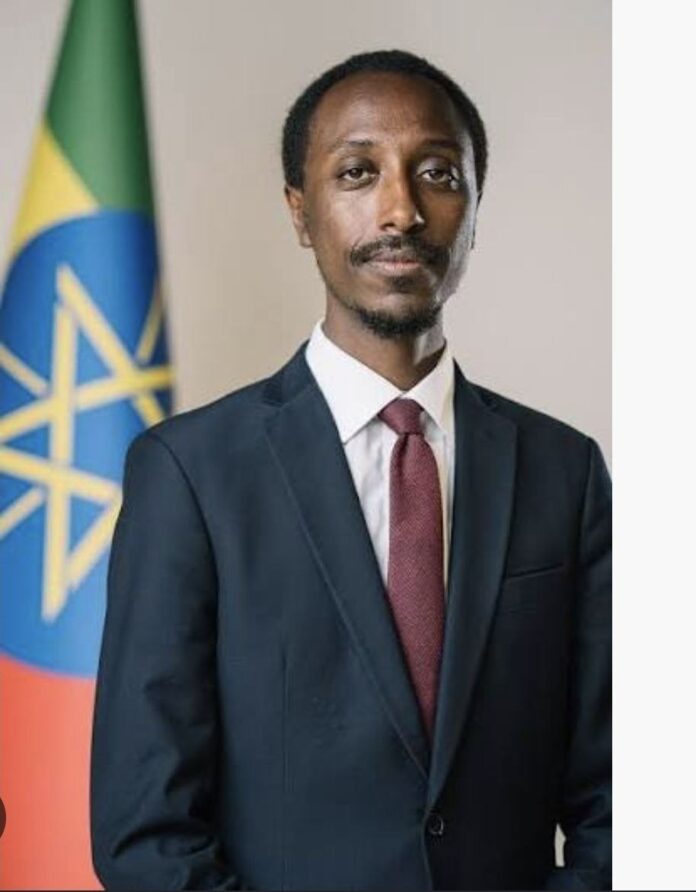
The Minister of Foreign Affairs of the Federal Democratic Republic of Ethiopia, Gedion Timotheos, stated that despite the rapid changes and tensions characterizing the current global and regional situation, Ethiopia is working resolutely to safeguard its core national interests and realize its comprehensive development potential.
In particular, the Minister noted that economic diplomacy is the central pillar of the country’s foreign relations. He emphasized that Ethiopia’s efforts to join the World Trade Organization (WTO) and actively participate in the African Continental Free Trade Area (AfCFTA) are core components of this strategy.
Attending the Africa Programme at the renowned Chatham House in London, he extensively explained the country’s current and strategic foreign policy priorities.
During the event, the Minister stated that, above all, contemporary diplomacy must serve the success of domestic economic structural transformation.
He underscored that in the current global climate, economic diplomacy is not a supplementary task but the primary and central focus of foreign relations. To support the comprehensive macroeconomic reforms being implemented domestically, the country’s diplomatic institutions are actively focusing on expanding trade and investment ties, facilitating technology transfer, and strengthening relations with international financial markets.
The Minister stated that Ethiopia’s ongoing momentum to finalize its long-standing efforts to join the World Trade Organization (WTO) and fully operationalize the African Continental Free Trade Area (AfCFTA) agreement demonstrates the country’s commitment to enhancing its competitiveness and participation in global and continental trading systems.
He added that this trade integration will not only expand market opportunities but also create a favorable environment for foreign investment.
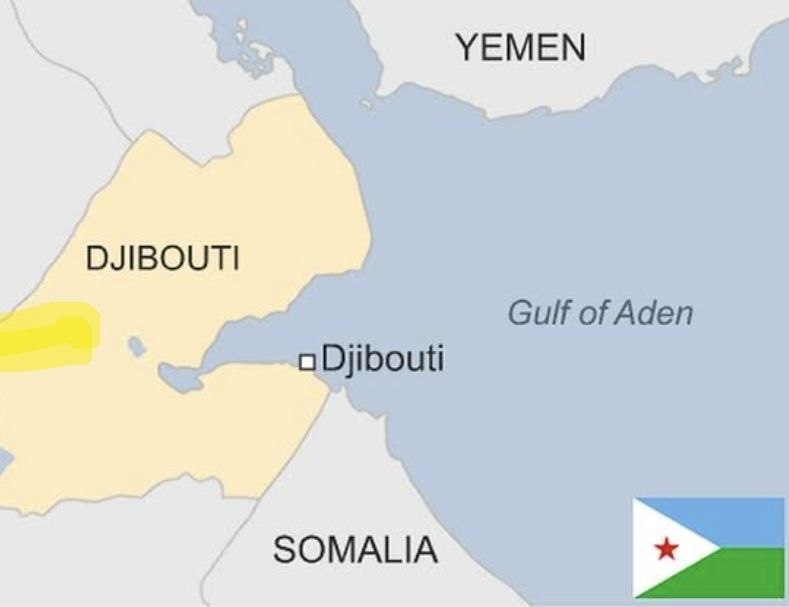
The Minister reaffirmed that access to the sea is an urgent strategic interest for Ethiopia from the standpoint of fostering economic growth and regional integration. He explained that this demand is not newly manufactured but rather a structural issue linked to trade, logistics, energy security, and long-term economic plans.
“The quest for sea access is a matter of development and regional interdependence; it should not be viewed as an infringement on the sovereignty of others or a source of conflict,” Gedion explained.
He noted that while some regional actors view Ethiopia’s desire for sea access with historical suspicion and anxiety, Ethiopia is pursuing the matter based solely on mutual benefit, peaceful dialogue, and legal frameworks. He elaborated that this effort does not harm any country; instead, it creates a major opportunity to elevate economic integration in the Horn of Africa and bring about shared prosperity.
Regarding the utilization of regional developmental resources, the Minister raised Ethiopia’s clear stance concerning the Nile Basin. He stated that the utilization of shared natural resources must be based on the principles of equity, cooperation, and mutual benefit. He emphasized that perspectives framing development as a threat are unacceptable, and that achieving lasting peace in the region requires moving past outdated notions of exclusivity and monopolistic claims.
Referencing the construction of the Grand Ethiopian Renaissance Dam (GERD) as a modern manifestation of the Victory of Adwa—showcasing the country’s right to development and spirit of self-reliance—Dr. Gedion reminded the audience that Ethiopia possesses a sovereign right to pursue its developmental agenda without causing harm to others, an unwavering principle maintained across successive governments.
Indicating that the success of foreign policy is directly linked to domestic realities, the Minister noted that the National Dialogue process currently underway in Ethiopia is a foundational initiative helping to resolve historical grievances and build sustainable national consensus.
However, he did not shy away from addressing concerns regarding the implementation of the Pretoria Peace Agreement. While the federal government is supporting post-conflict rehabilitation and reintegration efforts to the best of its capacity, he pointed out that certain hardline factions within the Tigray People’s Liberation Front (TPLF) are not fully complying with the agreement.
He stated that instead of disarming and reintegrating fighters into the community, these elements are focusing on stockpiling new weapons, diverting resources allocated for reconstruction to other purposes, and opting for political confrontation, thereby obstructing the peace process. Furthermore, he announced that the government is closely monitoring the situation, as the alignment of these TPLF hardliners with external forces hostile to the peace of Ethiopia and the region poses a threat to the agreement.
The Minister mentioned that Ethiopia’s success in environmental protection, food security, and climate resilience through the Green Legacy Initiative has elevated its national image and international credibility. He stated that this experience will play a leading role for Ethiopia’s upcoming COP32 Presidency, which the country will utilize to position climate cooperation as a foundation for global governance and development.