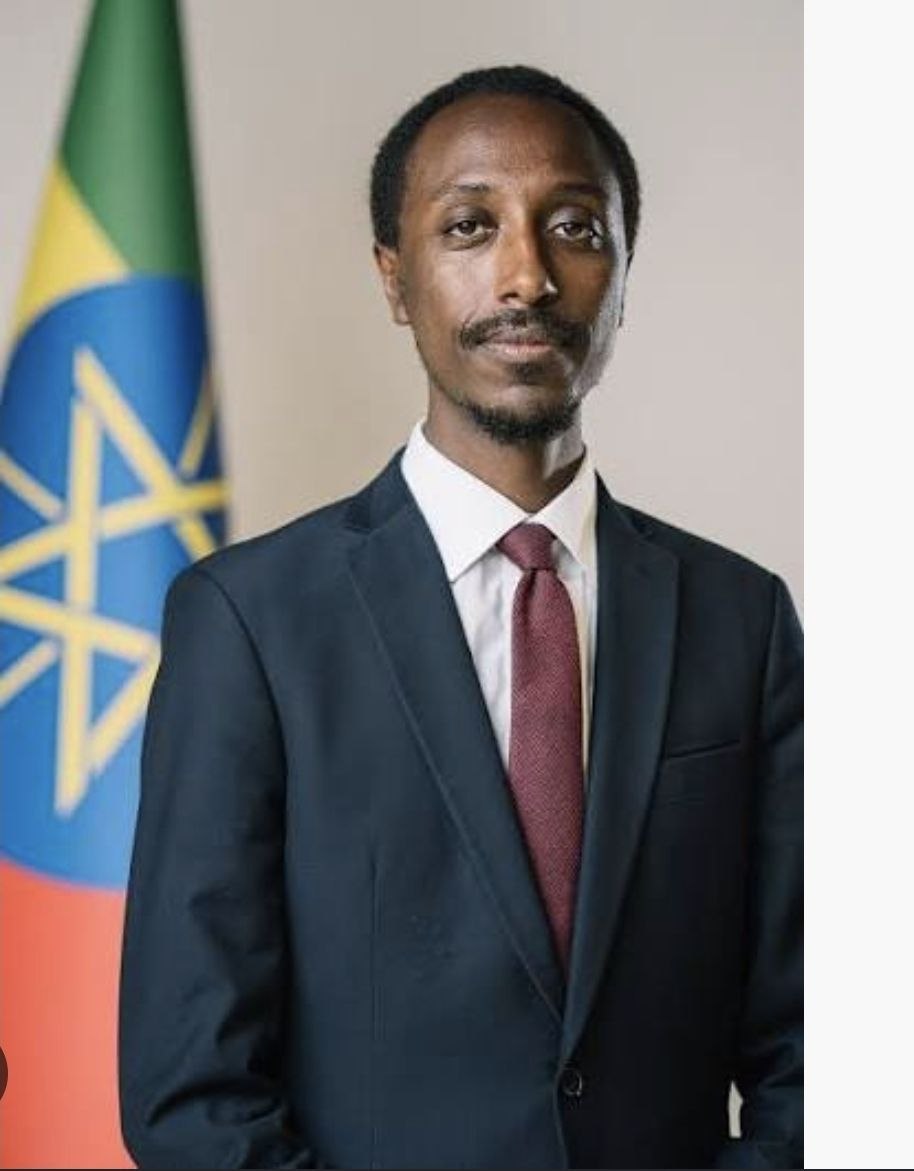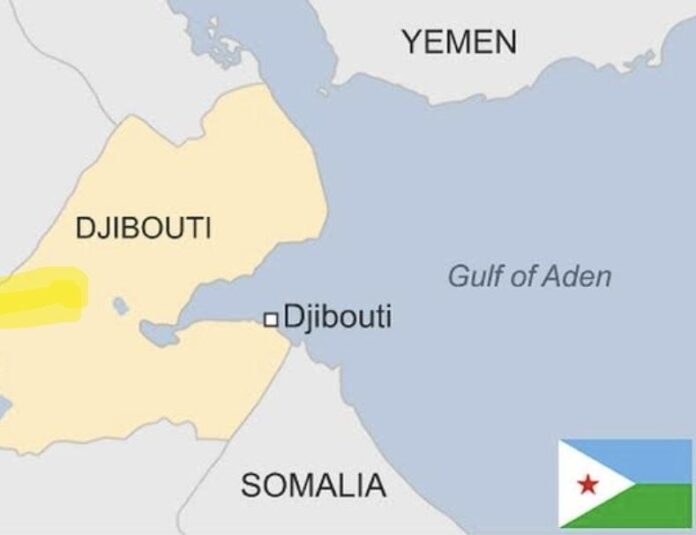
Djibouti’s newly appointed Minister of Energy and Natural Resources, Dr. Djama Mohamed Hassan, held high-level strategic talks with a senior delegation from the Emirates National Oil Company (ENOC), focusing heavily on expanding critical petroleum infrastructure that directly links the billion-dollar trade corridor between Djibouti and Ethiopia. The diplomatic and business session, held at the ministry complex in Energia Park, brought together Dr. Djama Mohamed Hassan and Hussain Sultan Lootah, CEO of Dubai-based ENOC and Chairman of the Board of Horizon Djibouti Terminals (HDTL), who was accompanied by Fahad Abdulrahman Askar, CEO of Horizon Terminals Limited (HTL), and Omar Kassou, General Manager of HDTL.
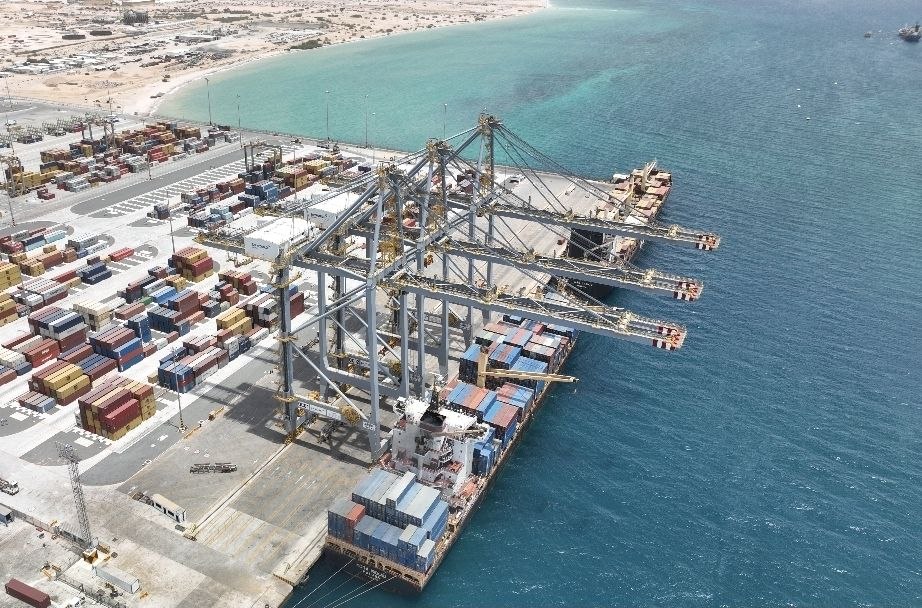
At the forefront of the discussions was the current operational performance of the Doraleh Petroleum Terminal, which serves as the primary gateway for refined petroleum products bound for the Ethiopian market. Since the Ethiopian economy relies heavily on the consistent and efficient transit of fuel through Djibouti, both parties reviewed the strong loading metrics at Doraleh and mapped out the next phase of structural infrastructure development.
The talks centered on accelerating several massive, ongoing projects designed to optimize regional distribution, including finalizing the rail-to-depot connectivity to directly link the regional railway system with the main petroleum storage depots—a transition expected to sharply reduce transit times and lower inland transportation costs.
Additionally, the projects entail constructing supplementary storage tanks to buffer the fluctuating regional supply chain, developing specialized Liquefied Petroleum Gas (LPG) storage and handling facilities to meet surging domestic and regional demand, and expanding the existing marine jetty infrastructure to handle larger international product tankers simultaneously.
Highlighting the economic symbiosis of the corridor, ENOC CEO Hussain Sultan Lootah presented the comprehensive feasibility metrics of these strategic expansions. He emphasized that these investments not only directly strengthen the commercial balance sheets of the energy operators but also fundamentally bolster the macroeconomic stability of both Djibouti and Ethiopia, creating a “win-win” tripartite alliance.
Lootah affirmed ENOC’s absolute commitment to bringing all the discussed projects to fruition while formally requesting continued, high-level administrative backing from Djiboutian state authorities. During the session, Lootah stated that this partnership transcends a standard commercial agreement, serving instead as a vital economic bridge that secures energy flows for two interconnected nations.
In response, Dr. Djama Mohamed Hassan requested the immediate submission of finalized feasibility studies for the expanded sites to assess implementation timelines. Reaffirming the Djiboutian government’s full institutional backing, the Minister noted that these logistics overhauls are of vital national and regional importance. The constructive session concluded with a shared strategic alignment, with senior executives from the International Hydrocarbon Company of Djibouti (SIHD) and technical directors from the Ministry of Energy agreeing to deploy a coordinated effort to streamline the upcoming expansions.