China has announced sweeping new measures to open its market to African exports, signaling a potential shift in the long-standing trade imbalance between the two partners, even as bilateral trade reaches record highs.
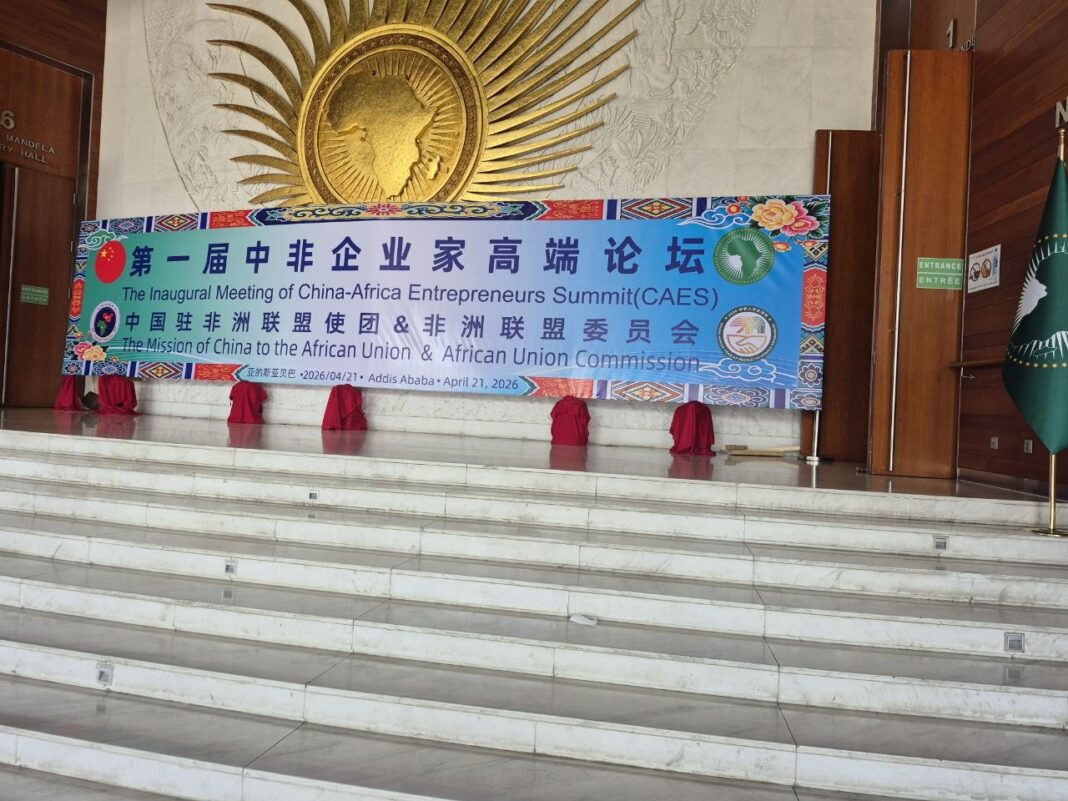
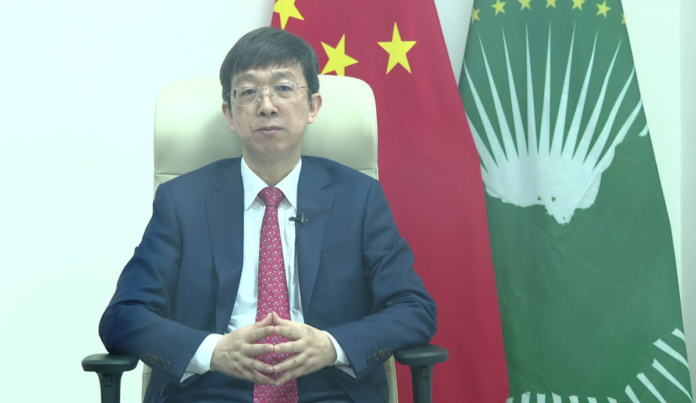
Speaking at the inaugural China-Africa Entrepreneurs Summit at the African Union headquarters, Chinese Ambassador to the AU Jiang Feng highlighted that trade between China and Africa climbed to a record $348 billion in 2025, marking a 17.7 percent year-on-year increase. China has now remained Africa’s largest trading partner for 17 consecutive years.
Despite the growth, the structure of trade continues to favor China, with African countries largely exporting raw materials while importing higher-value manufactured goods. This imbalance has been a persistent concern among African policymakers seeking to industrialize and diversify exports.
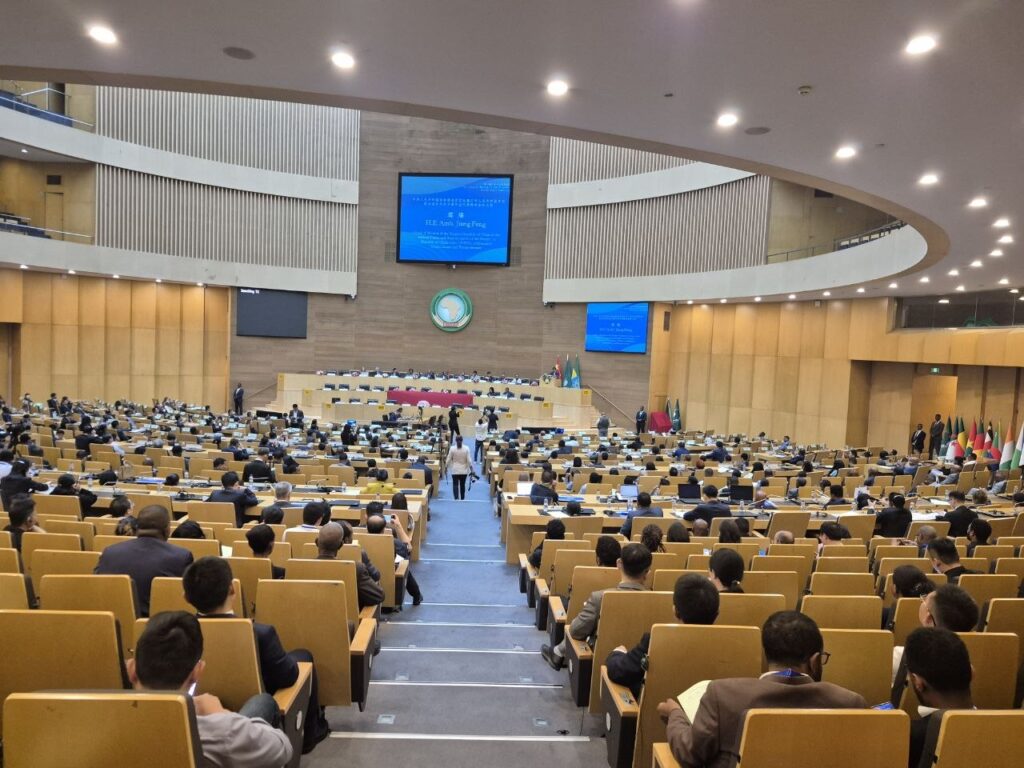
In a move aimed at addressing this gap, Jiang announced that starting May 1, 2026, China will implement zero-tariff treatment on 100 percent of tariff lines for products from 53 African countries with diplomatic ties to Beijing. The policy is expected to improve the competitiveness of African goods in the Chinese market, particularly in agriculture, textiles, and processed products.
“This will transform the vast Chinese market into a major opportunity for high-quality African products,” Jiang said, emphasizing China’s commitment to more balanced trade relations.
Analysts note that while tariff elimination is a significant step, structural challenges remain. Limited industrial capacity, logistics constraints, and compliance with Chinese standards continue to hinder Africa’s export potential. However, complementary initiatives announced under the Forum on China-Africa Cooperation (FOCAC) framework — including industrial pilot zones, SME support programs, and expanded logistics and financial cooperation — could help address some of these bottlenecks.