In a staggering purge that has decapitated the leadership of Kenya’s energy sector, top government officials have resigned and been placed under arrest following a high-level investigation into an alleged Sh500 million fuel procurement scandal.
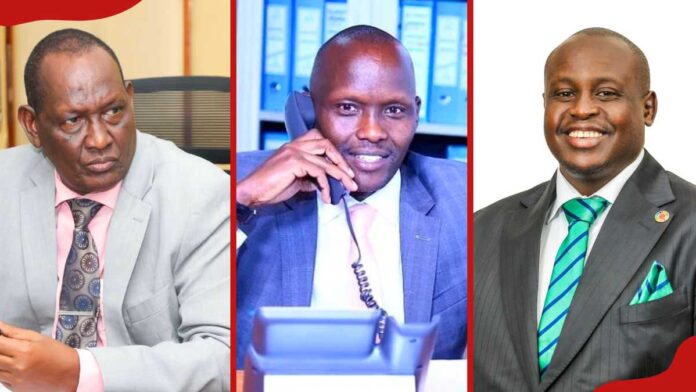
The crackdown, characterized by State House as a decisive fight against “economic sabotage,” saw the simultaneous fall of the country’s three most powerful energy regulators and administrators. Among those who tendered their resignations after being taken into custody are Mohamed Liban (Principal Secretary for Petroleum), Joe Sang (Managing Director of the Kenya Pipeline Company), and Daniel Kiptoo Bargoria (Director General of the Energy and Petroleum Regulatory Authority).
According to a detailed statement released by Felix K. Koskei, Chief of Staff and Head of the Public Service, the officials are accused of orchestrating a sophisticated scheme to bypass the established Government-to-Government (G2G) fuel supply framework. Investigators allege that the trio manipulated official data regarding in-country fuel stocks to create a “false impression of an impending supply shortfall.”
This manufactured anxiety was reportedly used as a pretext to justify the emergency procurement of a private fuel cargo outside of legal channels. This shipment was not only priced significantly above contracted G2G rates—placing an immense burden on the taxpayer—but was also found to be of substandard quality, posing a direct risk to national infrastructure and consumer vehicles.
The legal drama peaked on the night of Thursday, April 2, 2026, when detectives from the Directorate of Criminal Investigations (DCI) conducted coordinated raids that resulted in the arrest of these principal officeholders. Beyond the top-tier leadership, administrative action has also been initiated against Joseph Wafula (Deputy Director of Petroleum) and Mr. Joel Mburu (Supply and Logistics Manager at KPC).
The Executive Office emphasized that such falsification of information constitutes a serious breach of public trust and falls under the category of economic crimes under the Anti-Corruption and Economic Crimes Act.
The G2G framework, which involves partnerships with global energy giants like Aramco and ADNOC, was originally established in 2023 to stabilize the Kenyan Shilling and prevent the grueling fuel queues that paralyzed the nation in 2022. By allegedly attempting to undermine this system for personal gain, the officials are accused of betraying national interests. The government has reassured the public that fuel supplies remain stable and secure despite these departures, signaling a watershed moment for the administration’s stance on accountability within the energy sector.